2026-01-23
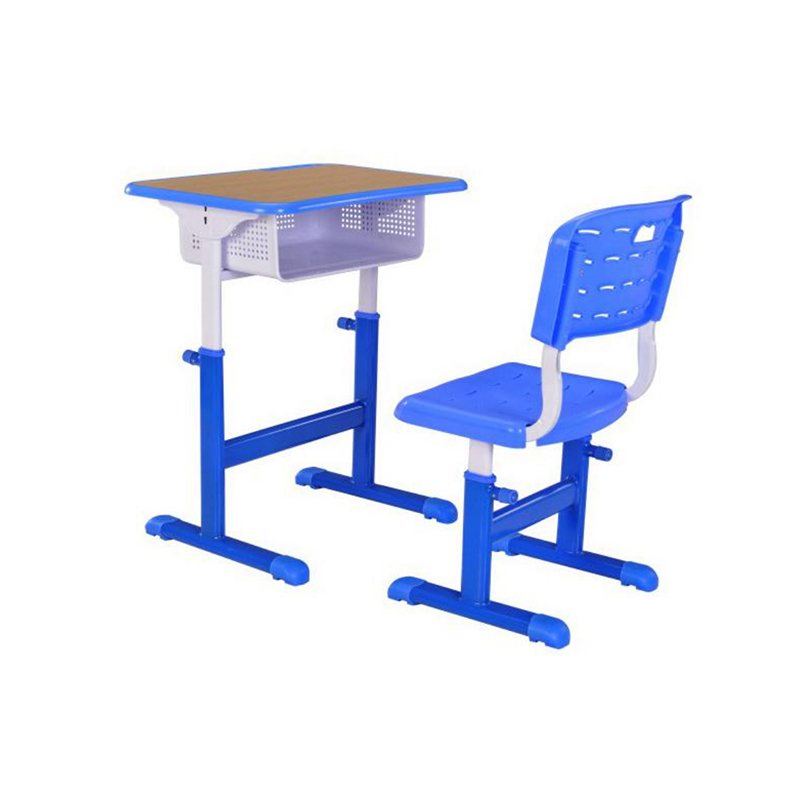
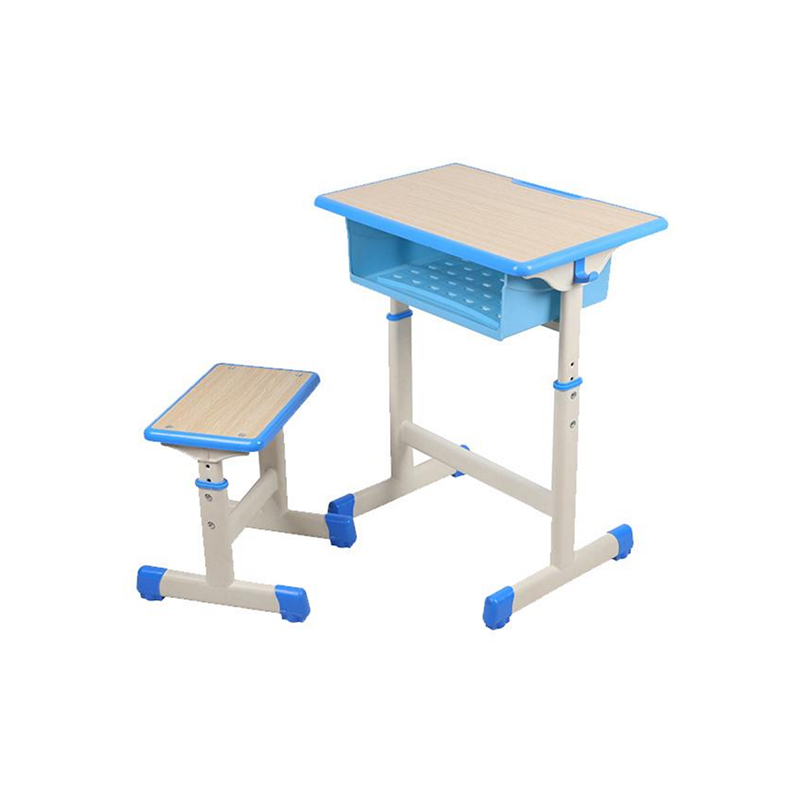
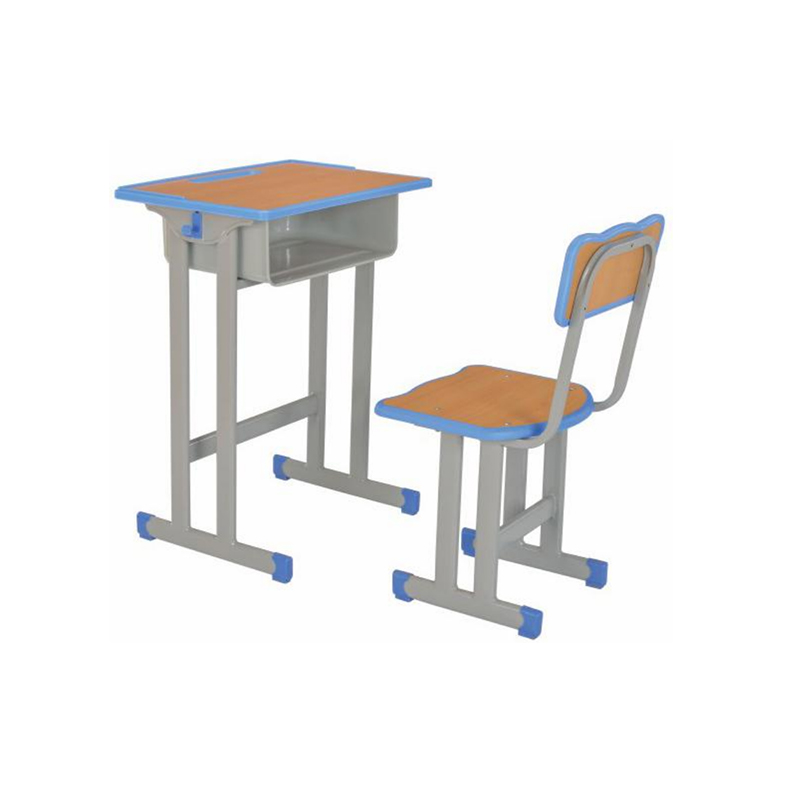
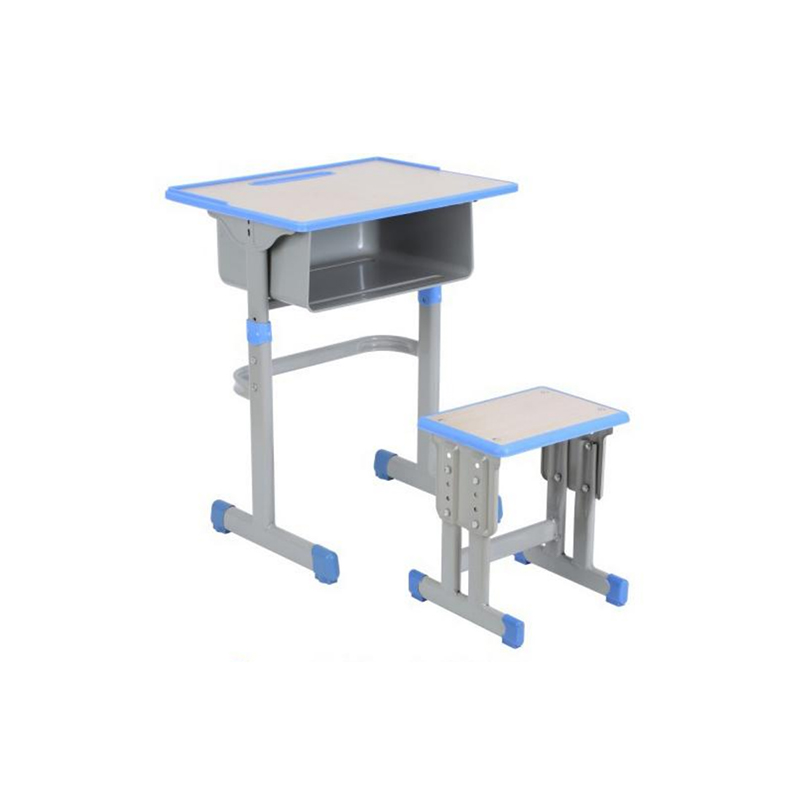
Canteen dining table and chairs are integral elements of communal dining environments in schools, workplaces, hospitals, and institutional settings. These furnishings provide more than seating and eating surfaces; they shape the experience of shared meals, influence comfort, and contribute to efficient meal service operations. A well‑designed canteen dining table and chairs set supports orderly flow during breakfast, lunch, or dinner periods, enabling users to sit, eat, and interact in a space organized for well‑managed meal routines. In educational canteens and staff dining areas, the configuration of tables and chairs affects both comfort and daily operational flow.
The construction of canteen dining table and chairs sets emphasizes durability and strong load‑bearing capacity. Frames are typically built from reinforced steel or heavy‑duty alloy materials, while table tops and seat panels use high‑density laminates, durable plastic composites, or treated wood surfaces. These materials are chosen to withstand repeated use by large numbers of users, resist scratches or stains, and tolerate frequent cleaning routines required in institutional environments. The reliability of these materials ensures that canteen dining table and chairs sets remain functional and visually presentable even after extended use.
Design considerations for canteen dining table and chairs include ergonomic comfort and ease of maintenance. Chairs are shaped to support natural posture during sitting, helping users enjoy meals without strain or discomfort. Seats may be contoured and slightly inclined to enhance comfort while encouraging relaxed seating during meal periods. Table heights are standardized so that users of varying ages can sit comfortably without awkward posture. Rounded edges and smooth finishes reduce the risk of minor injuries, contributing to a safer dining environment. These design attributes matter in settings where users occupy dining spaces regularly throughout the week.
Operational efficiency in communal dining areas depends on the thoughtful layout and configuration of canteen dining table and chairs. Tables are arranged in rows, clusters, or circular groupings, depending on the available space and desired social interaction. Chairs may be fixed to tables or designed to slide freely, allowing users to adjust seating based on group sizes. Clear pathways between tables and chairs enable smooth movement for diners and service staff, reducing congestion during peak meal times.
Hygiene and cleanliness are central considerations in the selection of canteen dining table and chairs. Surfaces are engineered to tolerate repeated cleaning with detergents and sanitizers, facilitating quick removal of food residue, spills, and stains. Non‑porous table tops and chair seats reduce the risk of absorbing liquids or odors, aiding sanitation staff in maintaining a hygienic dining environment. Materials that resist moisture and bacterial accumulation contribute to safer conditions, particularly in settings where food preparation and consumption occur daily.
Canteen dining table and chairs also factor into the social environment of dining areas. Group seating arrangements encourage interaction, conversation, and community building among users. Long tables accommodate multiple diners at once, supporting shared meals and fostering a sense of connection among students, colleagues, or residents. Smaller table groupings provide intimate settings where individuals can dine comfortably with friends or team members. Thoughtful placement of tables and chairs enhances the social experience without compromising personal space or crowd flow.
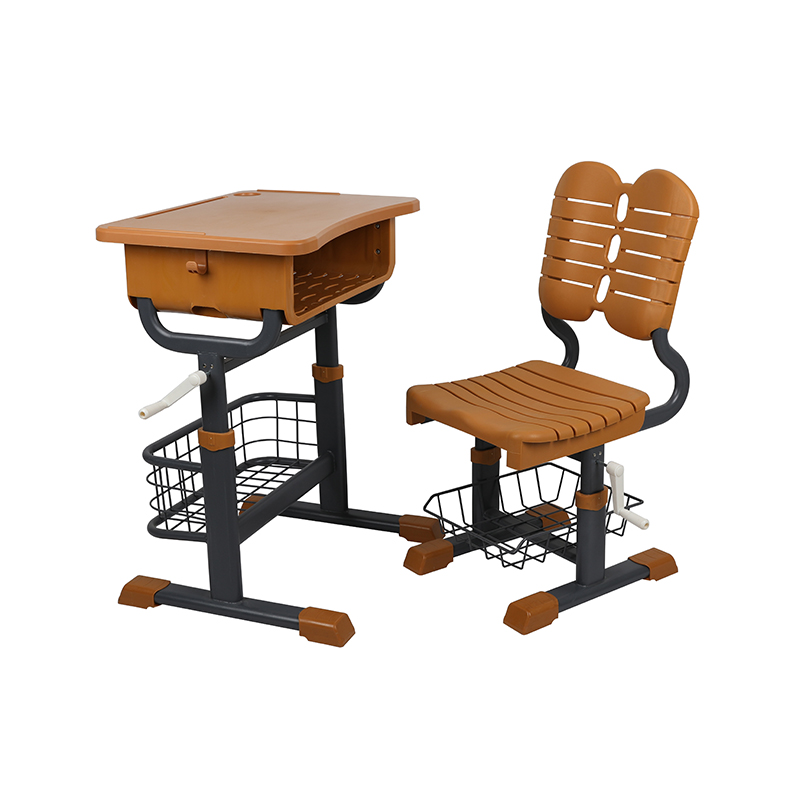
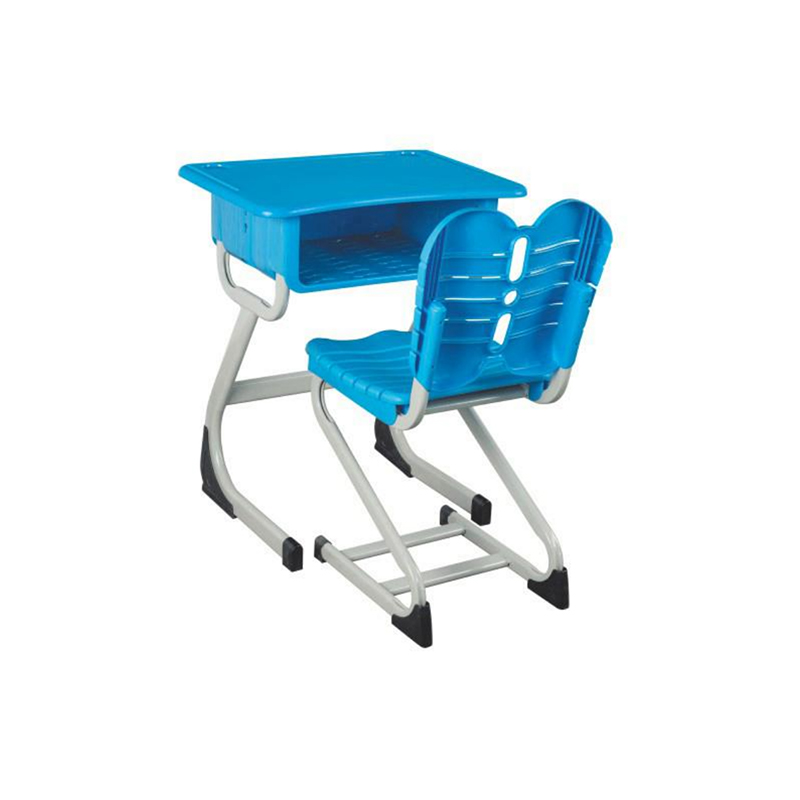
Comfort and practicality intersect in the design of canteen dining table and chairs. Seats are designed to minimize hard pressure points while remaining easy to clean and maintain. Table surfaces are smooth and stable, preventing items from tipping or sliding. The integration of footrests on chair legs enhances seating comfort during extended meal periods. Materials that balance firmness and comfort ensure that users can enjoy meals without unnecessary strain or discomfort, regardless of age or physical requirements.
Recommended Products


 русский
 عربى
عربى
 Español