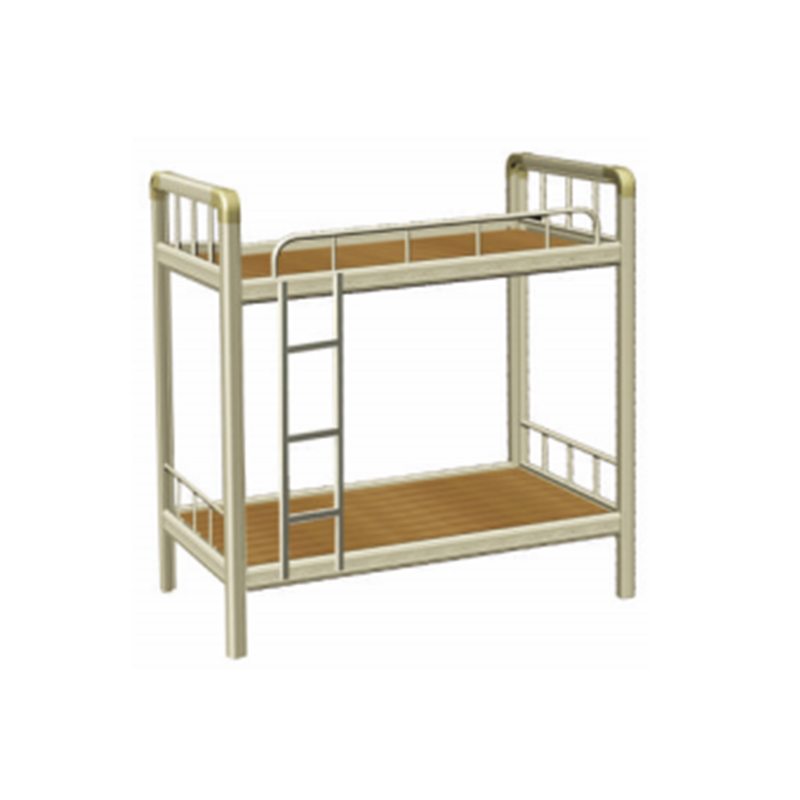
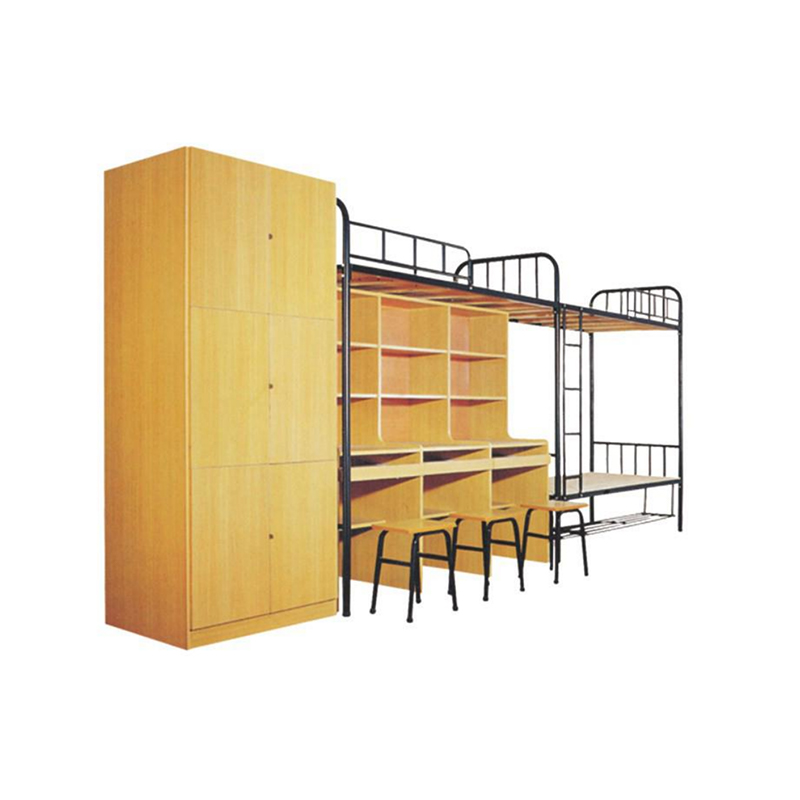
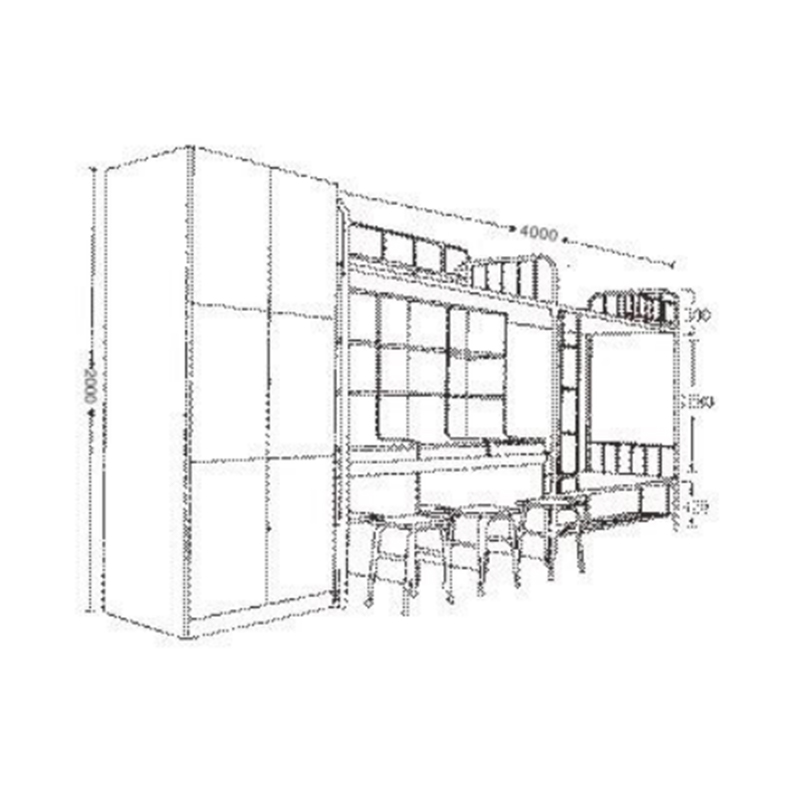
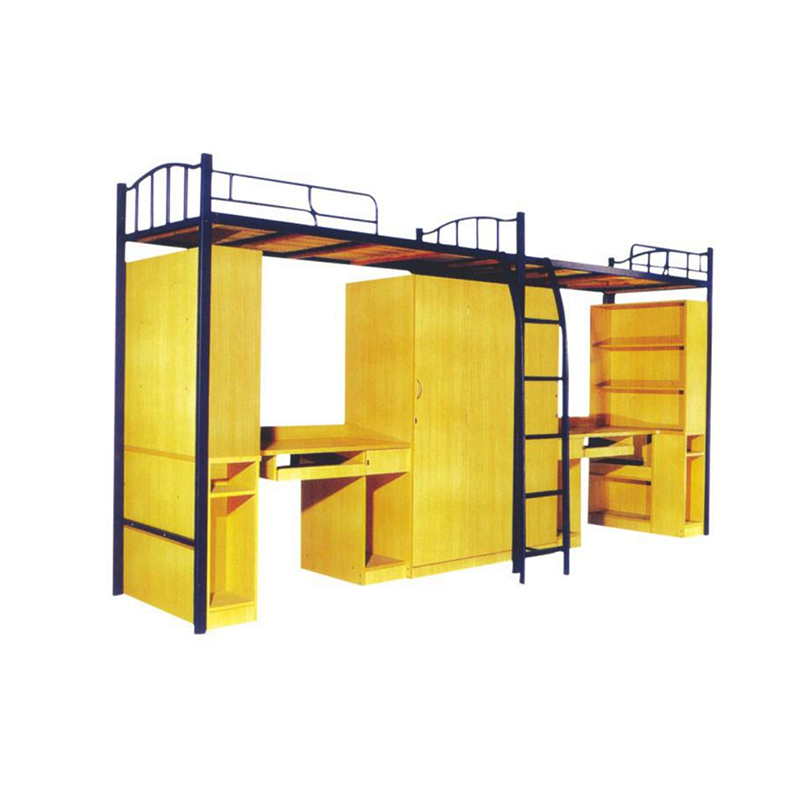
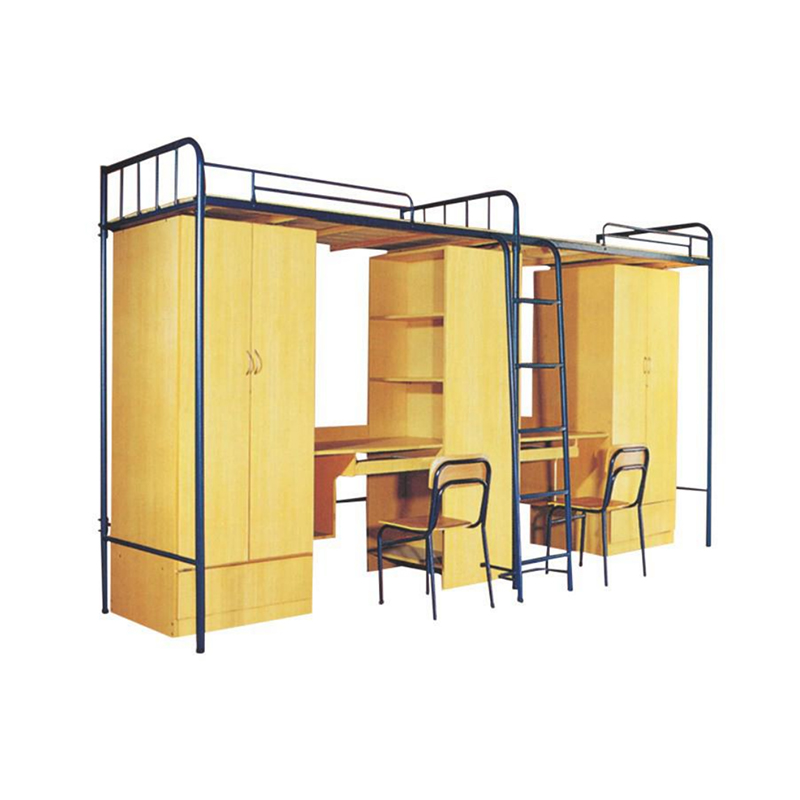
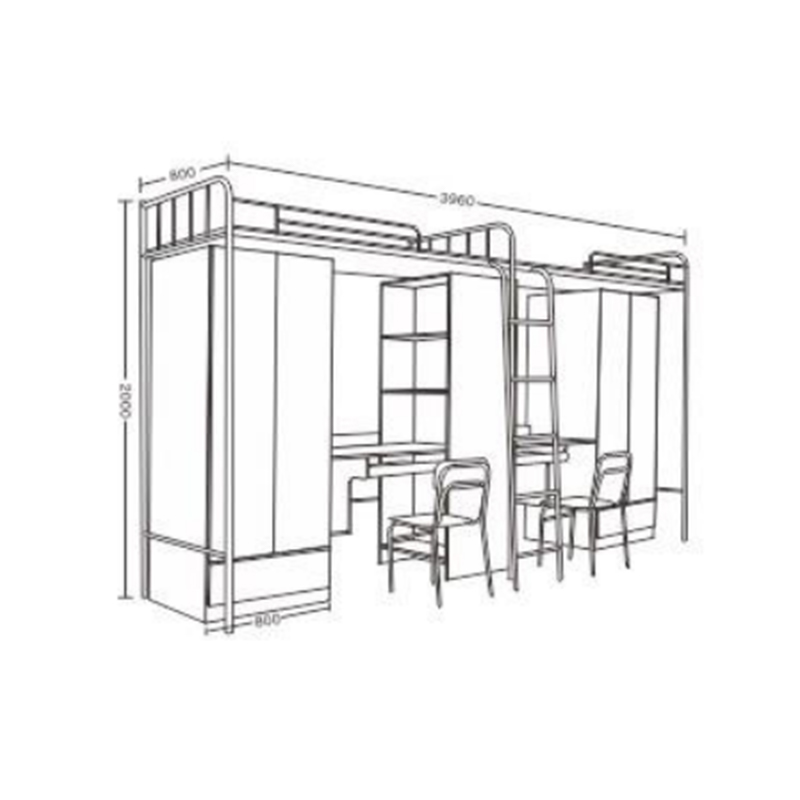
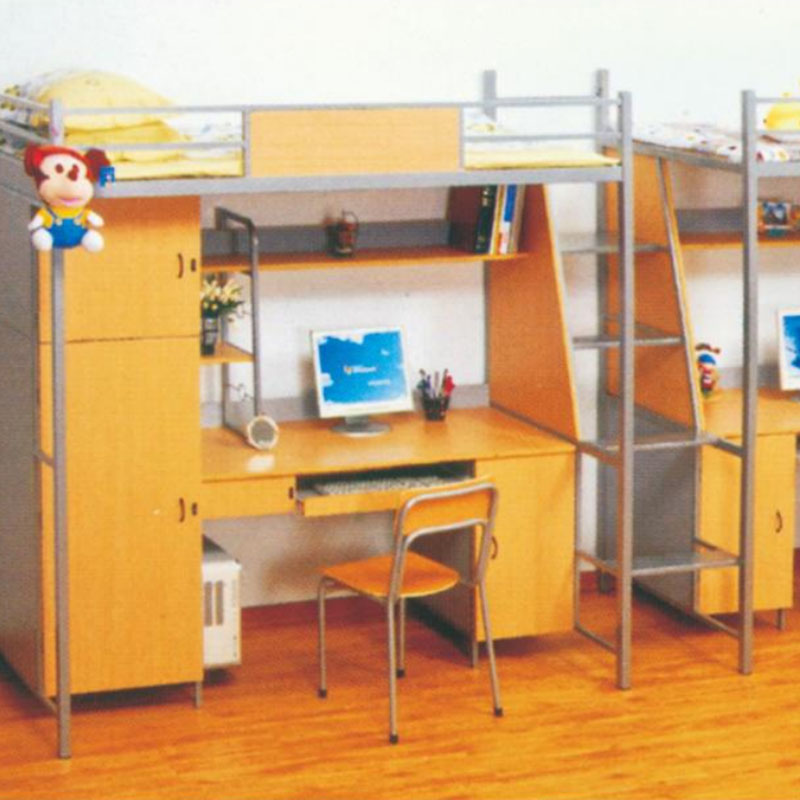
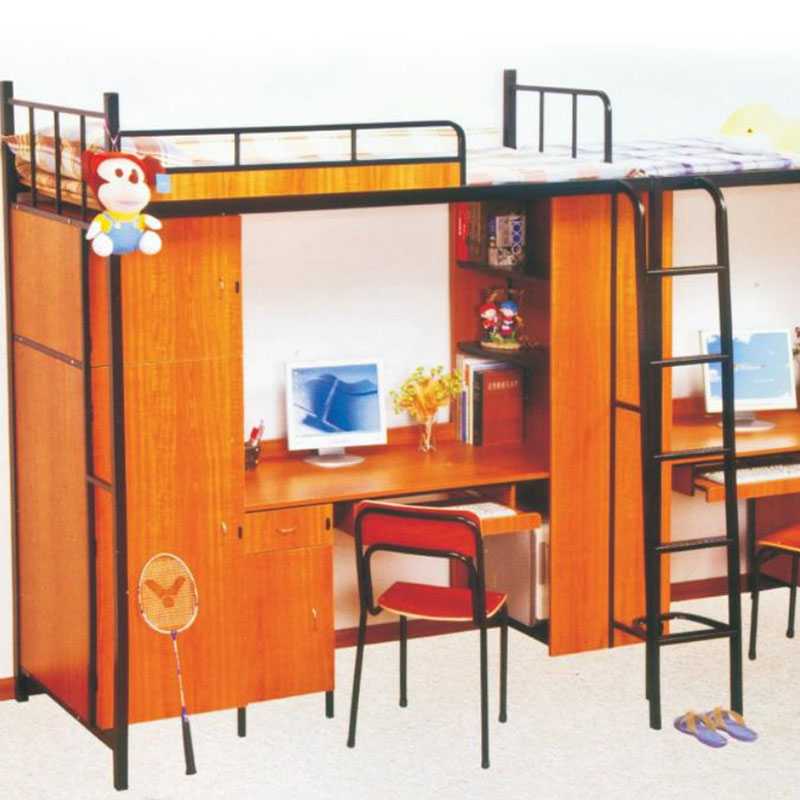
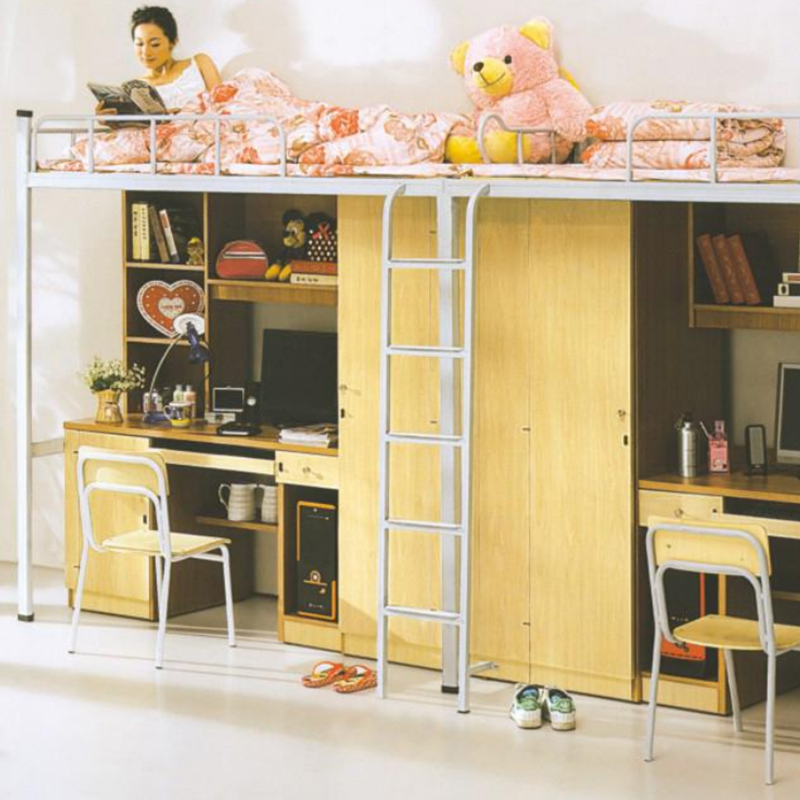
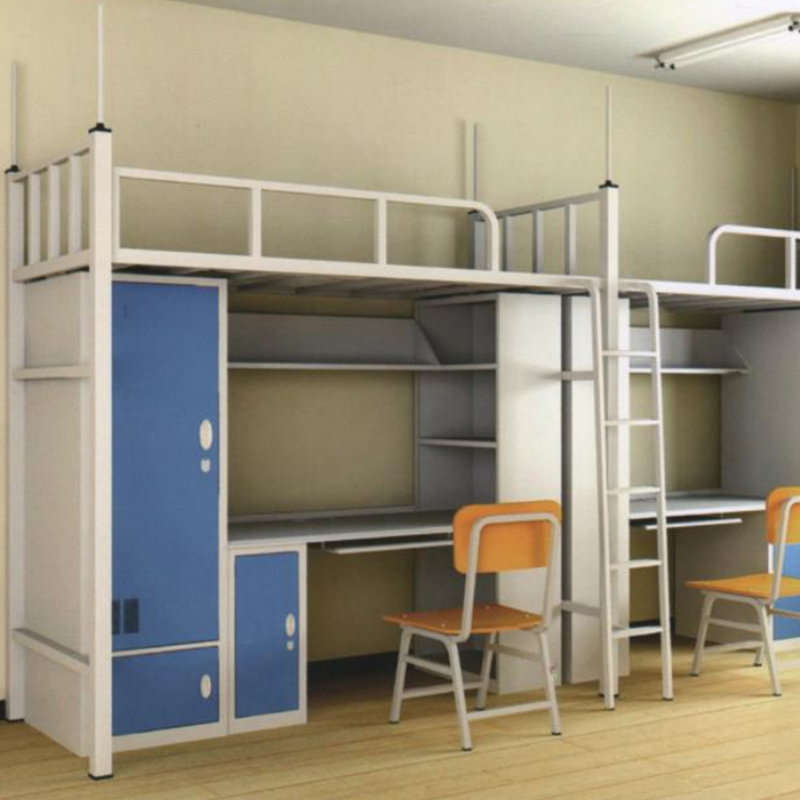
When it comes to creating a comfortable and functional living space for students, school dormitory beds play a crucial role. Dormitory rooms, often shared by multiple students, require furniture that maximizes space, provides comfort for long study sessions or rest, and can withstand the daily wear and tear of student life. School dormitory beds, with their unique design and features, address several common challenges faced by students and institutions alike, making them an essential piece of furniture for any dormitory setting.
Common User Pain Points
Limited Space in Dorm Rooms
Dorm rooms are typically small, and students often struggle with space constraints. The challenge is to fit in essential furniture—such as a bed, desk, and storage—without overcrowding the room. A bed that takes up too much space can make the room feel cramped and uncomfortable, leaving little room for studying, relaxing, or storing personal belongings.
Comfort Issues
Given that students spend a significant amount of time in their dorm beds—whether for sleeping, studying, or socializing—the level of comfort is a primary concern. Poorly designed or uncomfortable beds can lead to back pain, poor sleep quality, and overall discomfort, which negatively impacts students’ health and well-being, and in turn, their academic performance.
Durability and Maintenance
Dormitory beds face frequent use and occasional rough handling by students. Beds that are not built to last can quickly deteriorate, requiring frequent repairs or replacements. Additionally, beds with difficult-to-clean surfaces or materials can contribute to hygiene issues, making it harder to maintain a clean and comfortable living environment.
Addressing User Needs with School Dormitory Beds
Space-Efficient Design
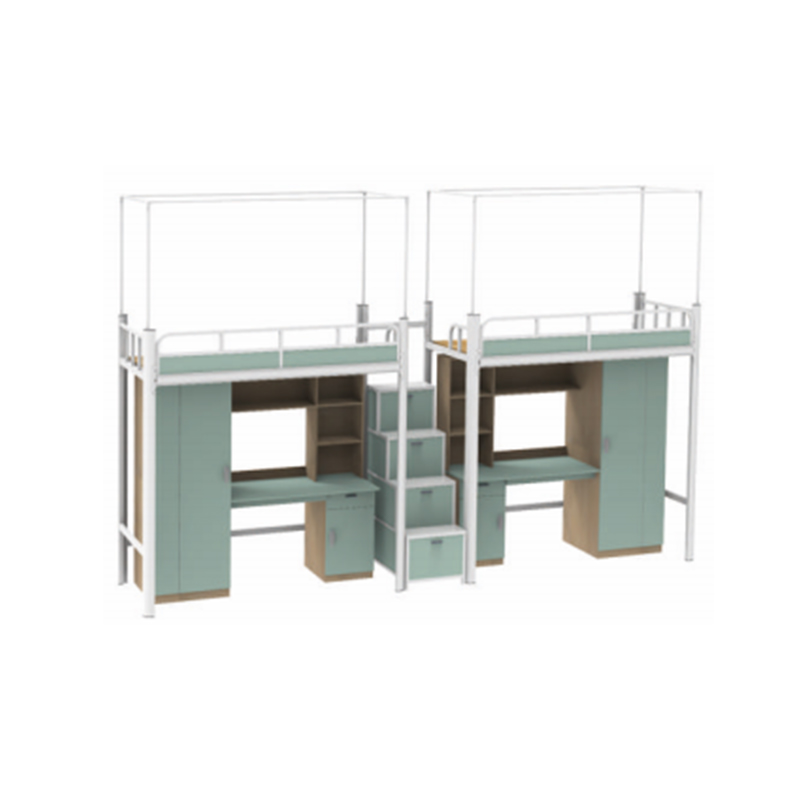
One of the key features of school dormitory beds is their space-efficient design. These beds are crafted to optimize room space, often with features such as under-bed storage, lofted or bunk configurations, or foldable options. By lifting the bed off the floor, dormitory beds free up valuable space beneath for storing personal items, books, or even creating a study nook. This helps students organize their belongings, maximizing the usable area in their rooms without feeling cramped or cluttered. Modular designs can also allow for customization, adapting to different room sizes and layouts.
Enhanced Comfort
School dormitory beds are designed with the comfort of students in mind. The bed frames are often made from durable yet comfortable materials such as metal or wood, and the mattress options vary from standard to memory foam, providing better sleep quality. Additionally, many beds come with adjustable frames, allowing students to customize their sleeping position. For added comfort, the beds can be fitted with supportive headboards or built-in cushions that also serve as a space for leaning back during study sessions. These features aim to ensure students have a comfortable place to sleep and relax, promoting overall well-being and better rest.
Durability and Easy Maintenance
School dormitory beds are built to withstand constant use and rough handling. The materials used—whether metal, solid wood, or high-grade composites—are chosen for their durability and ability to withstand the daily wear and tear of student life. These beds are designed to be sturdy, minimizing wobbling or instability even when used frequently. Moreover, the surfaces of the bed frames and mattresses are easy to clean and maintain. With simple cleaning solutions and easy-to-remove covers, students can keep their beds hygienic with minimal effort, promoting a cleaner, healthier living environment. The durability of the materials also ensures that the beds have a long lifespan, reducing the need for frequent repairs or replacements.
Safety Features
Safety is a key consideration when it comes to dormitory beds, especially in higher configurations like bunk beds or lofted beds. School dormitory beds are often equipped with guardrails, safety ladders, and sturdy construction to prevent accidents and ensure that students can use their beds with peace of mind. These safety features are particularly important for students who may be unfamiliar with the layout or may have limited experience with higher-up sleeping arrangements.
Design Flexibility and Aesthetic Appeal
Beyond function, school dormitory beds are available in a variety of designs that suit different tastes and room decors. Whether a student prefers a more minimalist style or something with a bit more personality, there are options to match a wide range of aesthetic preferences. The modern designs are not only stylish but also functional, with options such as built-in shelves, desks, or storage compartments, making it easier for students to personalize their space. This contributes to creating a more welcoming and comfortable living environment, promoting a positive atmosphere in the dormitory.
Metal cabinets continue to play a useful role in workshops and production facilities where organization matters. These sturdy unit...
View MoreThermosetting Chair Designs Combine Strength With Lightweight Structure A thermosetting chair is built from resin that undergoes a...
View MoreWhat Goes Into a Laboratory Table's Construction Surface material is one of the more consequential choices in a Laboratory Table's...
View MoreThe folding chalk board never really disappeared — it just stopped being the only option. Now that classrooms, home offices, and s...
View MoreThe Purpose of File Cabinets in Daily Operations File cabinets provide structured storage for paper records, folders, and related ...
View MoreA school dormitory bed is a fundamental element in student housing, providing a safe, comfortable, and organized sleeping solution for educational institutions. Dormitory beds are designed to accommodate students in shared living spaces, including boarding schools, colleges, universities, and training centers. Their structure, durability, and functionality make them an essential piece of furniture for creating well-organized and efficient dormitory environments.
School dormitory beds are specially designed to meet the requirements of shared student accommodation. Unlike regular beds, they focus on space efficiency, safety, and durability. more dormitory beds come in single, bunk, or loft styles to big room capacity while providing individual comfort.
These beds often feature sturdy frames, protective railings, and simple designs that can withstand daily use by students. In addition, many dormitory beds are compatible with additional storage options, such as under-bed drawers or shelves, to help optimize limited room space.
Dormitory beds are made with materials that ensure long-term stability and resistance to wear and tear. Common frame materials include steel, engineered wood, and reinforced timber. Sturdy frames provide reliable support for daily use by students.
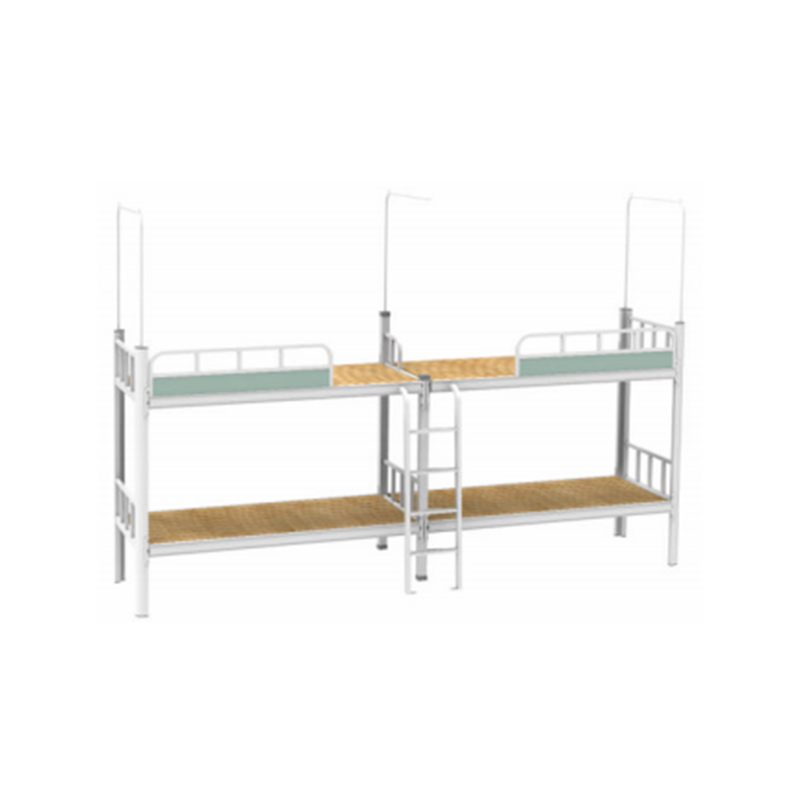
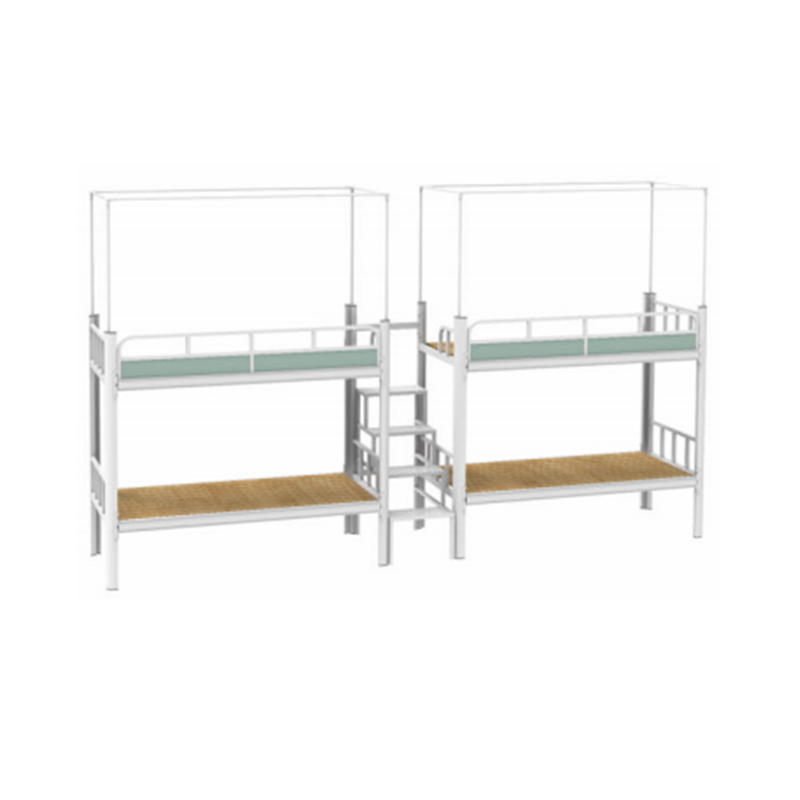
Many dormitory beds are designed in bunk or loft formats to big floor space. Bunk beds allow two or more students to share vertical space, leaving room for desks, chairs, or personal storage beneath. Loft beds create elevated sleeping areas, enabling functional use of space underneath for study areas or seating.
Safety is a priority in dormitory beds. more designs include guardrails on upper bunks, anti-slip steps, and secure ladders to prevent accidents. Rounded edges and smooth finishes also reduce the risk of injury during use.
Dormitory beds typically feature flat slats or supportive bases compatible with standard mattresses. Some designs may include built-in ventilation to improve mattress support and promote comfort.
Materials used in dormitory beds are selected for durability and ease of cleaning. Metal frames and laminated surfaces can be wiped clean, while wooden finishes are treated to resist scratches and moisture.
Under-bed storage drawers or shelves can help students organize personal belongings, study materials, or bedding. Integrated storage is especially valuable in shared rooms where space is limited.
Bunk and loft bed designs allow institutions to accommodate more students without overcrowding rooms. This makes dormitories more efficient in terms of space management.
Well-constructed dormitory beds withstand regular use, making them suitable for multi-year occupancy. High-quality materials reduce the need for frequent replacements, supporting institutional budgets.
Guardrails, anti-slip ladders, and solid construction enhance safety for students, particularly in shared rooms or high bunk configurations.
Beds with under-bed storage provide extra space for personal belongings, helping students maintain a tidy living area.
Dormitory beds can be adapted to different room layouts and student needs. Single beds can be combined with desks or chairs, while bunk beds free up floor space for communal use.
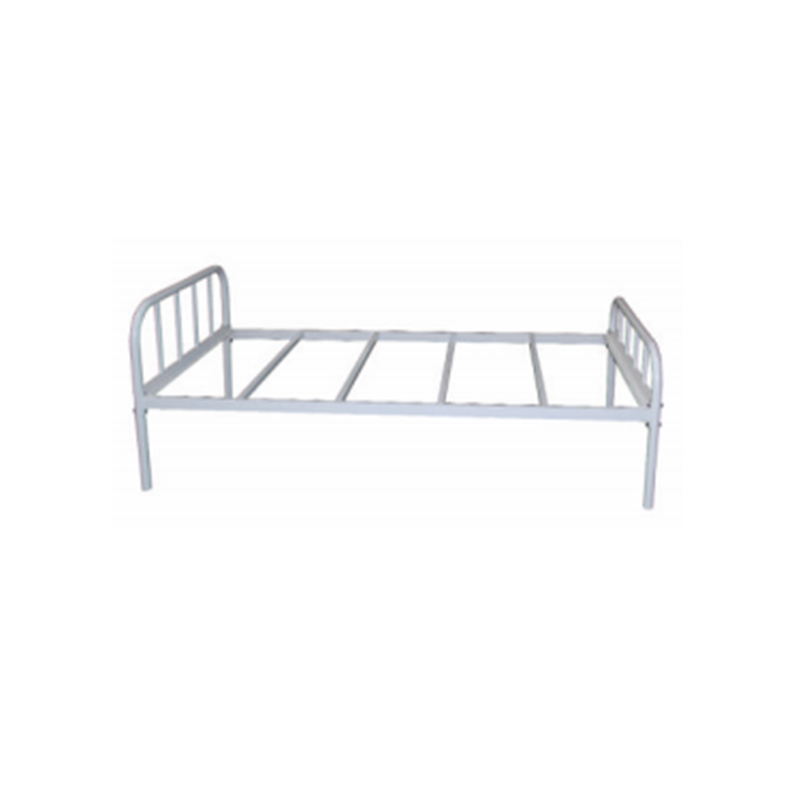
Single beds are ideal for individual rooms or spaces where privacy is prioritized. They are easy to move and maintain, offering simplicity and comfort.
Bunk beds stack two sleeping areas vertically, allowing two students to share floor space efficiently. They are commonly used in boarding schools and student residences.
Loft beds elevate the sleeping surface, creating space underneath for desks, chairs, or storage units. This design is suitable for compact rooms where floor space is limited.
Some dormitory beds feature adjustable frames that can be converted between bunk and single bed configurations. Modular designs offer flexibility to adapt rooms to changing occupancy requirements.
Beds with built-in drawers, shelves, or compartments help big storage in dormitories. These designs combine sleeping and storage functions, improving organization for students.
Dormitory beds should be chosen based on the dimensions of the room and the number of students to be accommodated. Bunk or loft designs are ideal for big limited space.
Metal frames provide strong support and long-term durability, while wood adds warmth and aesthetic appeal. Laminate or coated finishes can help protect the bed from daily wear and scratches.
Guardrails, stable ladders, and anti-slip surfaces are essential to ensure student safety. Rounded edges and smooth finishes small potential risks.
A supportive base for mattresses enhances student comfort during sleep. Ventilated or slatted surfaces can improve mattress longevity and air circulation.
Durable, easy-to-clean surfaces reduce the effort required for upkeep, which is especially important in high-occupancy dormitories.
Beds with built-in drawers or shelving help students manage personal items and contribute to an organized dormitory environment.
Consider the age and needs of the students when selecting bed size and design. Younger students may require lower beds, while older students may benefit from higher bunk or loft designs.
| Feature | Single Bed | Bunk Bed | Loft Bed | Storage-Integrated Bed |
| Sleeping Capacity | 1 student | 2 or more students | 1 student | 1 student |
| Space Efficiency | Moderate | High | High | Moderate |
| Floor Space Usage | Standard | Vertical stacking | Vertical stacking | Utilizes under-bed area |
| Safety Features | Standard | Guardrails & ladders | Guardrails & ladders | Standard |
| Storage Options | Optional | Optional | Optional | Built-in drawers/shelves |
| Ideal Use | Private rooms | Shared rooms | Compact shared rooms | Organized storage rooms |
A well-planned dormitory environment contributes to student comfort, focus, and overall well-being. School dormitory beds play a key role by providing safe and organized sleeping areas, freeing up space for study or recreational activities. Beds with storage options help students manage personal belongings, reducing clutter and promoting a more productive living environment.
Dormitory beds also facilitate efficient room arrangements, allowing multiple students to share a space without feeling cramped. By combining safety, comfort, and functionality, dormitory beds contribute to a balanced and supportive living environment for students.
School dormitory beds offer practical, durable, and space-efficient sleeping solutions for educational facilities. With their variety of designs, safety features, and optional storage, they support organized and comfortable student living.


 русский
 عربى
عربى
 Español