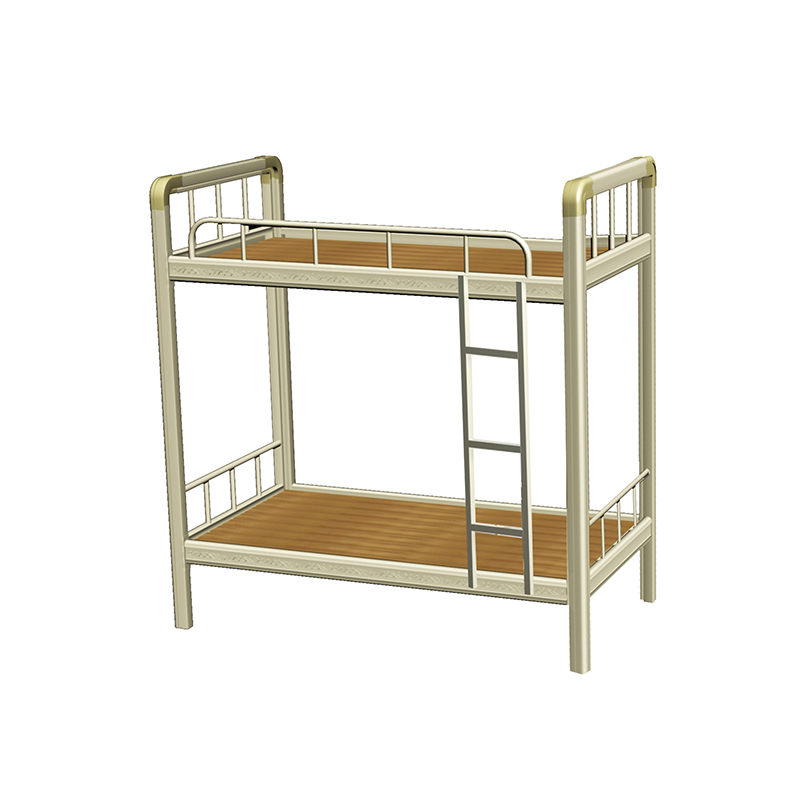
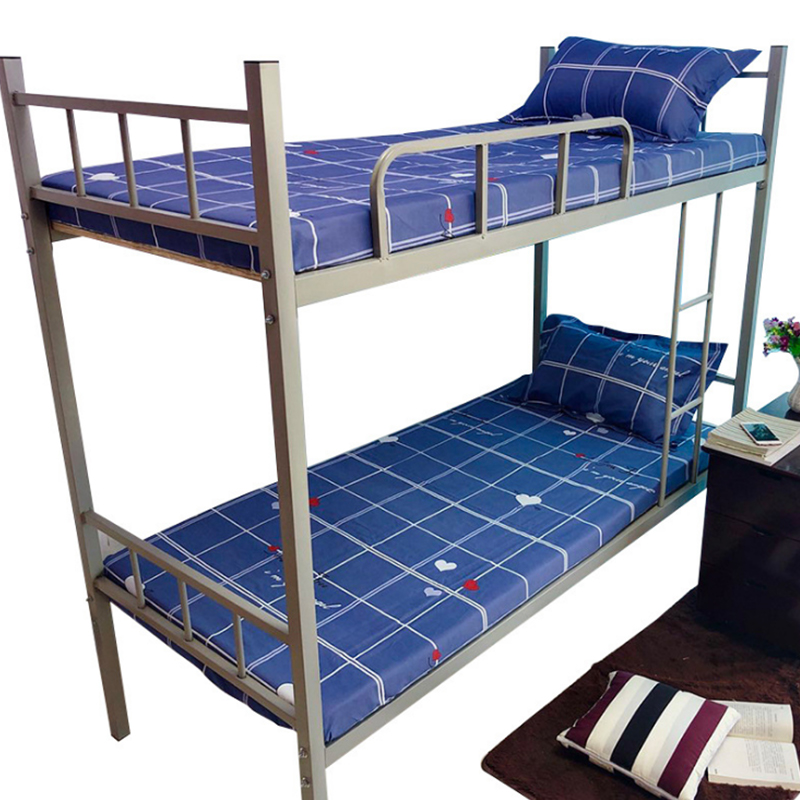
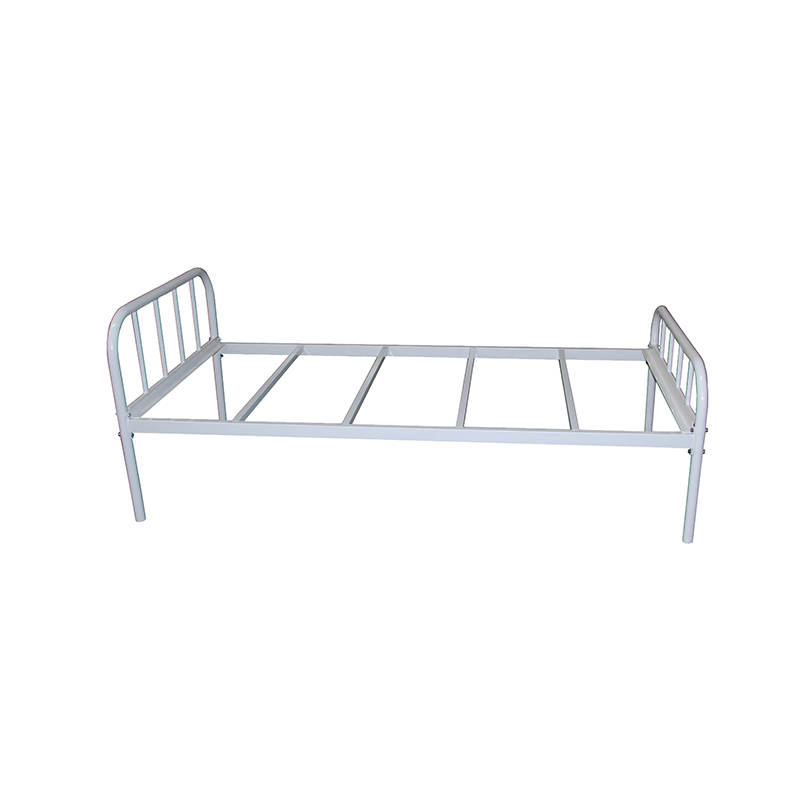
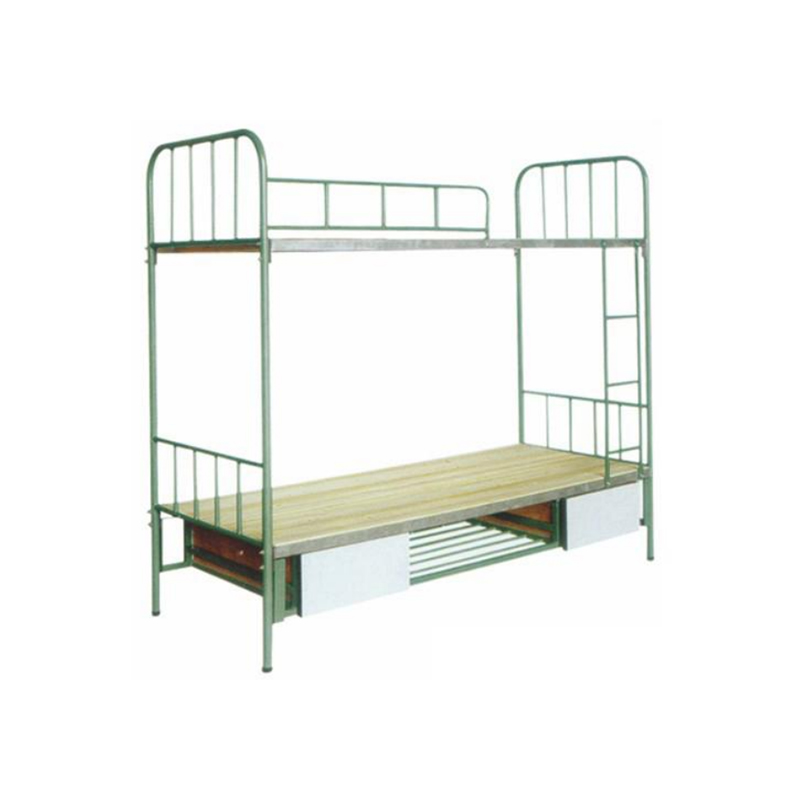
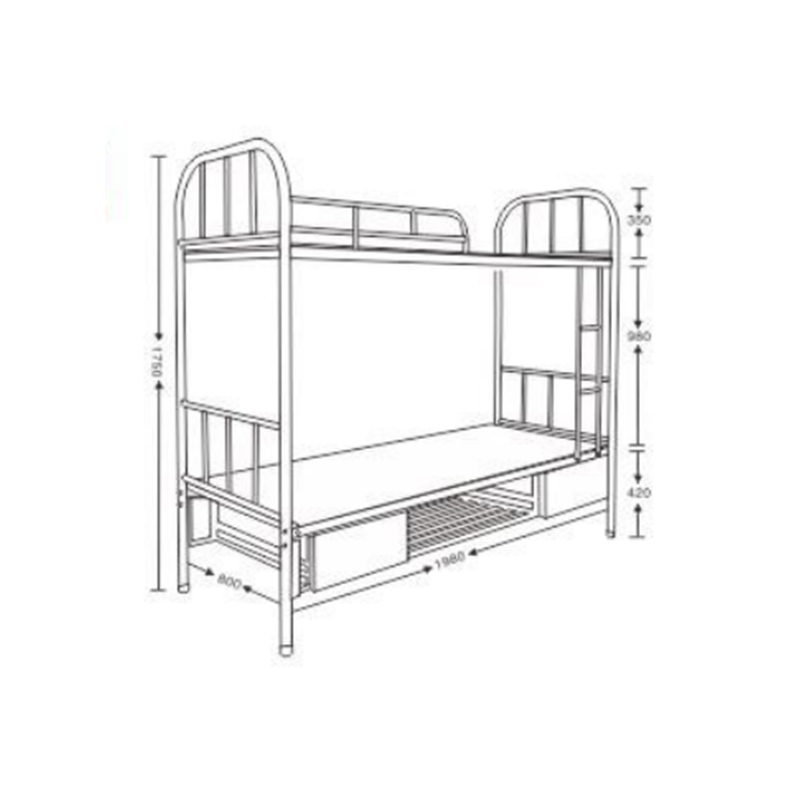
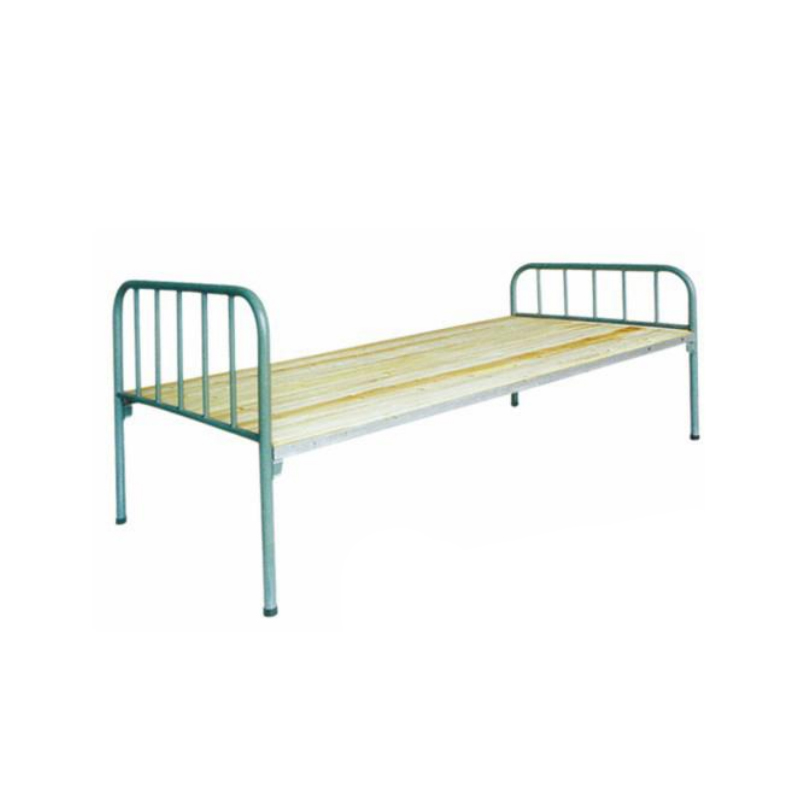
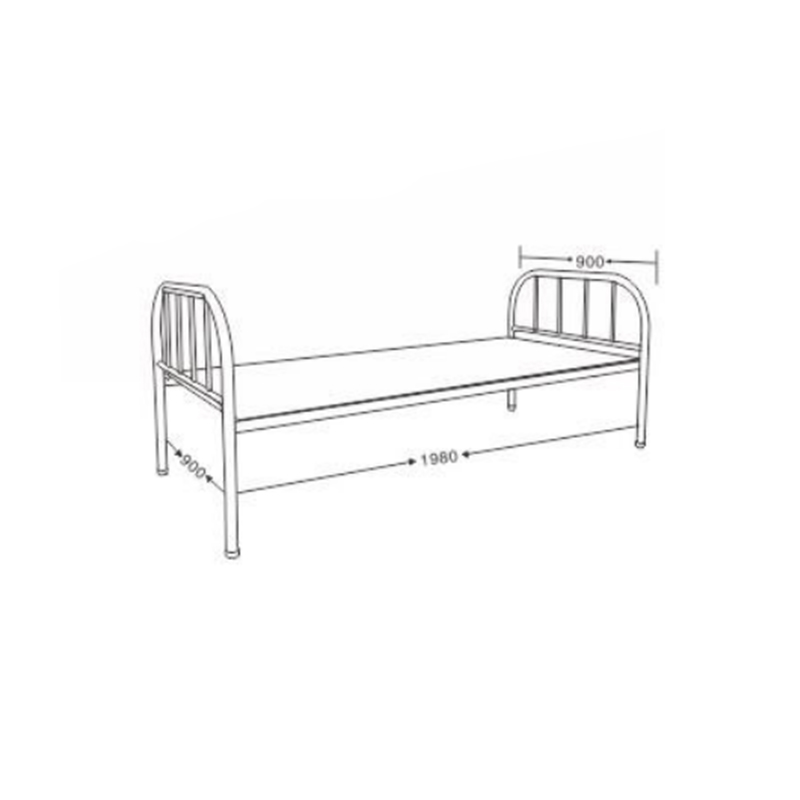
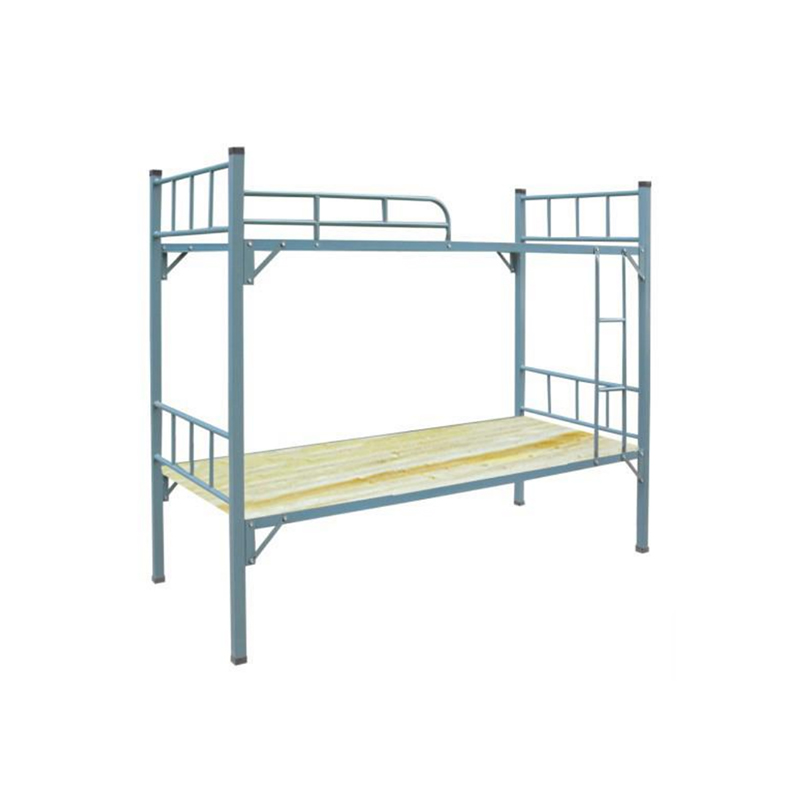
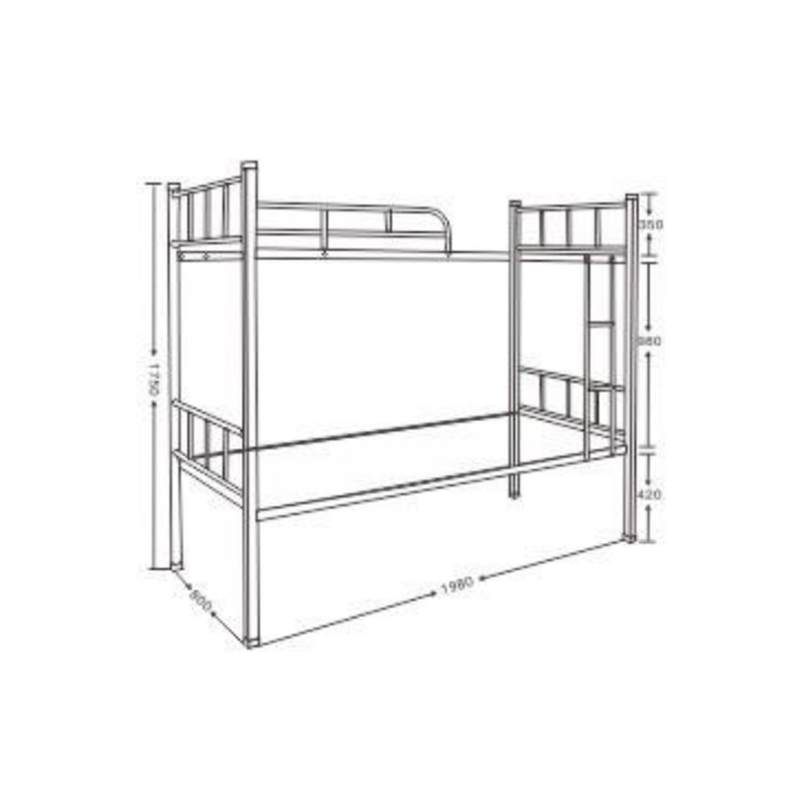
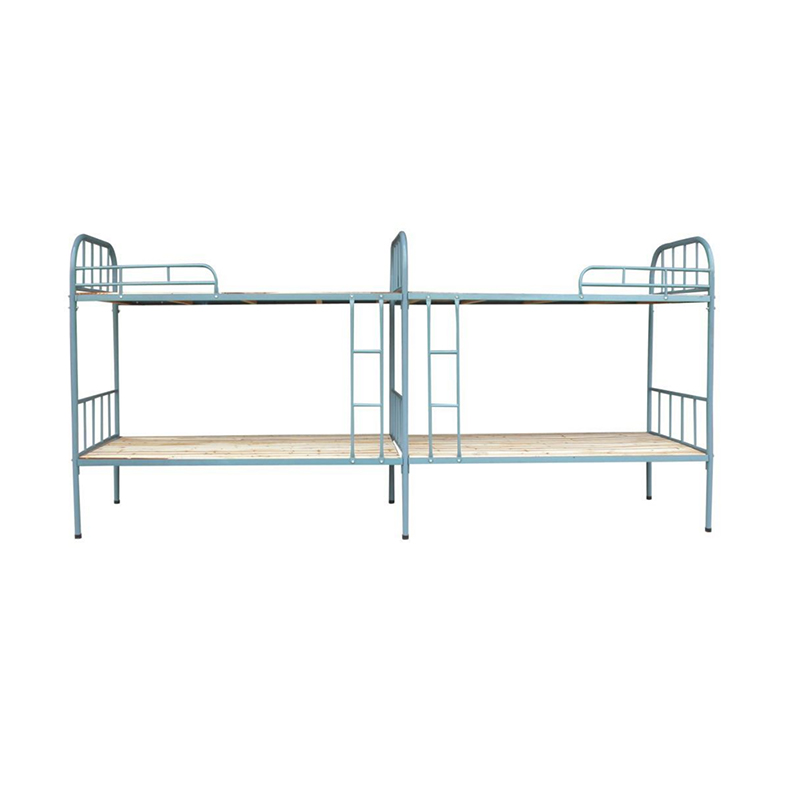
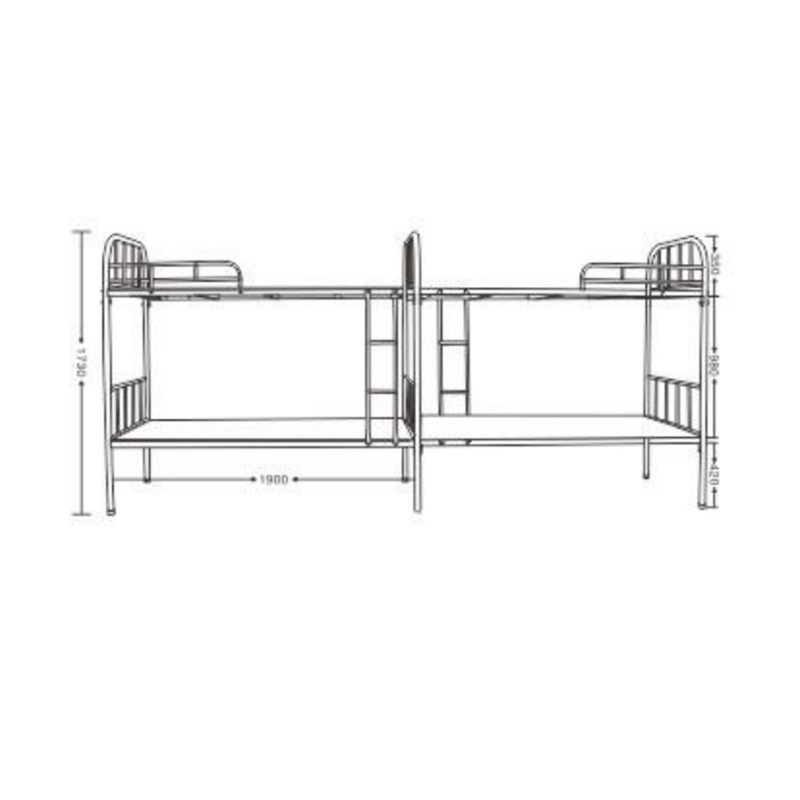
Student dormitory beds are designed specifically to meet the needs of students living in shared or small spaces. These beds provide essential comfort, durability, and functionality in an environment where space and budget are often limited. With thoughtful design and space-saving features, student dormitory beds create an ideal sleeping area that can also accommodate storage and other student needs. Whether in college dorms, university hostels, or student apartments, these beds offer practical solutions to help students stay organized and comfortable.
Product Advantages
Space Efficiency
These beds are often designed with compact dimensions, allowing them to fit in smaller rooms while still providing ample space for sleep. Some models come with built-in storage beneath the bed or offer lofted designs, allowing students to utilize the space underneath for other purposes such as storing books, clothes, or personal belongings. This efficient use of space helps keep the living area organized and clutter-free.
Durability and Strength
Dormitory beds are built to endure daily use and the rigors of student life. Made from sturdy materials like steel, wood, or high-quality metal alloys, these beds are designed to last for several years without losing structural integrity. The durable construction ensures that the bed can withstand the constant wear and tear from frequent use, making it a long-term investment for both students and educational institutions. The strong materials also provide a stable sleeping surface, reducing the risk of accidents from weak or flimsy furniture.
Affordability
Student dormitory beds are specifically designed to be cost-effective, providing students with an affordable option without sacrificing quality or functionality. In comparison to higher-end furniture, dormitory beds offer a budget-friendly solution that meets the essential needs of students while staying within a reasonable price range. This affordability is a major factor, especially for students living on tight budgets.
Versatility and Adaptability
Many student dormitory beds are versatile and can adapt to various living arrangements. Whether used in single or shared rooms, these beds can be customized to fit the needs of different dormitory layouts. Lofted or bunk bed designs are particularly useful for maximizing vertical space, while standard beds with under-bed storage offer practicality for rooms where floor space is limited. This adaptability allows the beds to be useful in a range of student housing environments, from traditional dormitories to off-campus apartments.
Product Features
Space-Saving Designs
A defining feature of student dormitory beds is their space-saving design. Many models are available in lofted or bunk configurations, which create additional space for study areas, desks, or seating underneath. The compact nature of these beds allows them to fit into smaller rooms without making the space feel cramped. Some designs even include integrated shelving or storage drawers, making it easy for students to organize their belongings without the need for additional furniture.
Comfortable Sleep Surface
Comfort is essential, even in a dormitory setting, and these beds are designed to offer a comfortable sleeping experience. Most student dormitory beds are equipped with solid slat bases or sturdy frames that provide adequate support for a mattress. Additionally, the bed frames are designed to minimize noise and movement, ensuring a quiet and restful night’s sleep. With the addition of a high-quality mattress, students can rest comfortably and recharge for the next day’s academic challenges.
Easy Assembly and Maintenance
Dormitory beds are typically designed for easy assembly, allowing them to be set up quickly and with minimal tools. The modular construction means that the beds can be disassembled and reassembled if needed, which is especially useful for students who move frequently or need to adjust their living arrangements. The materials used in these beds are also easy to clean, helping students maintain a tidy and hygienic living environment with minimal effort. This makes the beds particularly suitable for shared or communal living spaces.
Sturdy Safety Features
Safety is an important consideration in the design of student dormitory beds. For lofted or bunk bed models, sturdy guardrails are included to prevent falls and ensure the safety of students. The frames are reinforced to provide maximum stability, and the ladder or access points are carefully positioned to reduce the risk of accidents when getting in and out of the bed. These safety features make dormitory beds a secure choice for students of all ages, offering peace of mind to both parents and students alike.
Product Uses
Traditional Dormitories
Student dormitory beds are most commonly used in university or college dormitories, where they provide a functional and affordable sleeping solution for students. These beds are ideal for environments where space is limited, as they help maximize the available area while still providing students with a comfortable place to sleep. Whether in single or shared rooms, these beds help create a conducive study and living environment.
Off-Campus Student Housing
In off-campus apartments or student housing complexes, dormitory beds offer a space-saving solution for students living in smaller accommodations. These beds are ideal for students who want to maximize their limited living space by providing an area for sleeping while still leaving room for desks, study areas, or social spaces. The affordability of these beds makes them particularly appealing for students who are renting apartments or rooms in shared housing.
Temporary Housing or Guest Rooms
Dormitory beds can also be used in temporary housing situations, such as hostels, summer camps, or guest rooms. Their sturdy construction and space-saving design make them suitable for environments where many people need to sleep in a compact area. The versatility of these beds ensures that they can be easily adapted to suit a variety of temporary living arrangements, offering a practical and comfortable solution for short-term accommodations.
Student Apartments and Shared Spaces
For students living in shared apartments or housing situations, dormitory beds provide an efficient and practical solution to maximize space while offering a comfortable sleep area. The ability to stack or loft the beds, combined with built-in storage solutions, ensures that each student has enough room for their belongings and personal space. These beds are also a popular choice for student co-living arrangements, where space is often shared between multiple individuals.
Metal cabinets continue to play a useful role in workshops and production facilities where organization matters. These sturdy unit...
View MoreThermosetting Chair Designs Combine Strength With Lightweight Structure A thermosetting chair is built from resin that undergoes a...
View MoreWhat Goes Into a Laboratory Table's Construction Surface material is one of the more consequential choices in a Laboratory Table's...
View MoreThe folding chalk board never really disappeared — it just stopped being the only option. Now that classrooms, home offices, and s...
View MoreThe Purpose of File Cabinets in Daily Operations File cabinets provide structured storage for paper records, folders, and related ...
View MoreStudent dormitory beds are a critical component of student housing, offering a practical and durable solution for shared living spaces. Designed to meet the specific needs of students, these beds focus on space efficiency, safety, and comfort.
Unlike traditional home beds, dormitory beds are engineered to withstand frequent use while big room space. Their designs also support student organization, making it easier for individuals to manage personal belongings, study areas, and daily routines.
A student dormitory bed is a type of bed designed specifically for residential educational settings. These beds are available in multiple configurations, including single beds, bunk beds, and loft beds. They are often paired with additional storage solutions or study areas to improve efficiency in compact rooms.
The core purpose of a dormitory bed is to provide a safe and comfortable sleeping area while optimizing the use of floor space. Features such as guardrails, ladders, and sturdy frames ensure durability and safety for daily use.
Many dormitory beds are designed to big limited room space. Bunk and loft beds allow multiple students to share vertical space, leaving additional room on the floor for desks, chairs, or storage units.
Frames are typically made from steel, aluminum, or engineered wood, ensuring stability and long-lasting performance. These materials resist wear from daily use, making dormitory beds a practical investment for institutions.
Upper bunks and loft beds are equipped with guardrails and anti-slip ladders. Rounded corners and smooth finishes further reduce the risk of accidental injuries.
Dormitory beds feature flat or slatted bases compatible with standard mattresses. Proper support ensures that students can sleep comfortably, contributing to overall well-being and academic performance.
Durable materials, such as powder-coated metal and laminated wood, simplify cleaning and maintenance. Dormitory beds are designed to handle high-traffic use without compromising appearance or functionality.
Some beds include built-in drawers, shelving units, or compartments underneath the sleeping surface. These storage solutions help students keep personal items organized and the room clutter-free.
Bunk and loft configurations allow multiple students to share a room without reducing individual personal space. This is especially useful in compact dormitories or urban campuses where room space is limited.
High-quality dormitory beds provide long-term usability, reducing the need for frequent replacements. Durable frames and materials ensure stability and resistance to daily wear.
Guardrails, sturdy ladders, and secure assembly methods provide peace of mind for both students and dormitory staff. Safety features are especially important in shared living arrangements.
Beds with built-in storage help students manage clothing, study materials, and personal belongings efficiently. Organized spaces support better study habits and overall productivity.
Many dormitory beds can be rearranged or adjusted to suit room layouts. Modular designs allow single beds to be converted into bunk beds, or loft beds to accommodate desk areas underneath.
Ideal for private or semi-private dorm rooms, single beds are simple and functional. They are easy to maintain and suitable for smaller spaces.
Bunk beds allow two or more students to share vertical space, making them efficient for shared dormitories. They often include ladders and safety rails for secure access to the upper bed.
Loft beds elevate the sleeping area, creating usable space underneath for desks, seating, or storage. This design is good for rooms with limited floor area.
These beds offer versatility for changing room configurations. Modular designs can be adjusted to form single beds, bunk beds, or loft beds, depending on occupancy needs.
Beds with built-in drawers or shelving under the mattress provide students with extra storage space, helping maintain an organized room.
Consider the size of the room and the number of occupants. Bunk or loft beds big vertical space, while single beds work good in rooms with sufficient floor area.
Choose materials that are long-lasting and easy to maintain. Steel frames offer strength, while wood or laminate surfaces provide a warmer aesthetic.
Prioritize beds with guardrails, ladders, and smooth finishes. Safety is especially important for upper bunks in shared dormitories.
Supportive bases and compatibility with standard mattresses ensure restful sleep. Ventilated slats or mesh bases may improve mattress longevity.
Select beds with integrated storage if room space is limited. Under-bed drawers and shelves help students manage personal items efficiently.
Consider the age and physical capabilities of students when choosing bed height and ladder design. Younger students may benefit from lower beds, while older students can use higher bunk or loft designs.
| Feature | Single Bed | Bunk Bed | Loft Bed | Storage-Integrated Bed |
| Sleeping Capacity | 1 student | 2 student | 1 student | 1 student |
| Space Efficiency | Moderate | High | High | Moderate |
| Floor Space Usage | Standard | Vertical stacking | Vertical stacking | Under-bed storage |
| Safety Features | Standard | Guardrails & ladder | Guardrails & ladder | Standard |
| Storage Options | Optional | Optional | Optional | Built-in drawers/shelves |
| Ideal Use | Private or semi-private rooms | Shared rooms | Compact shared rooms | Organized storage-focused rooms |
Dormitory beds contribute to a structured living environment, which helps students balance sleep, study, and personal organization. By big floor space, they allow students to set up study areas or personal belongings nearby. Built-in storage features reduce clutter, making the room more organized and conducive to focus.
The vertical space provided by bunk and loft beds enhances flexibility for room layouts. Students can use the remaining floor space for desks, seating, or recreational areas, which improves the overall functionality of the dormitory. Safe and durable designs also provide peace of mind for students and residential staff.
Student dormitory beds provide practical, safe, and space-efficient solutions for shared living environments. Their sturdy construction, optional storage, and versatile designs make them ideal for educational institutions, boarding schools, and student housing facilities.
 University Apartment Bed Supplier


 русский
 عربى
عربى
 Español