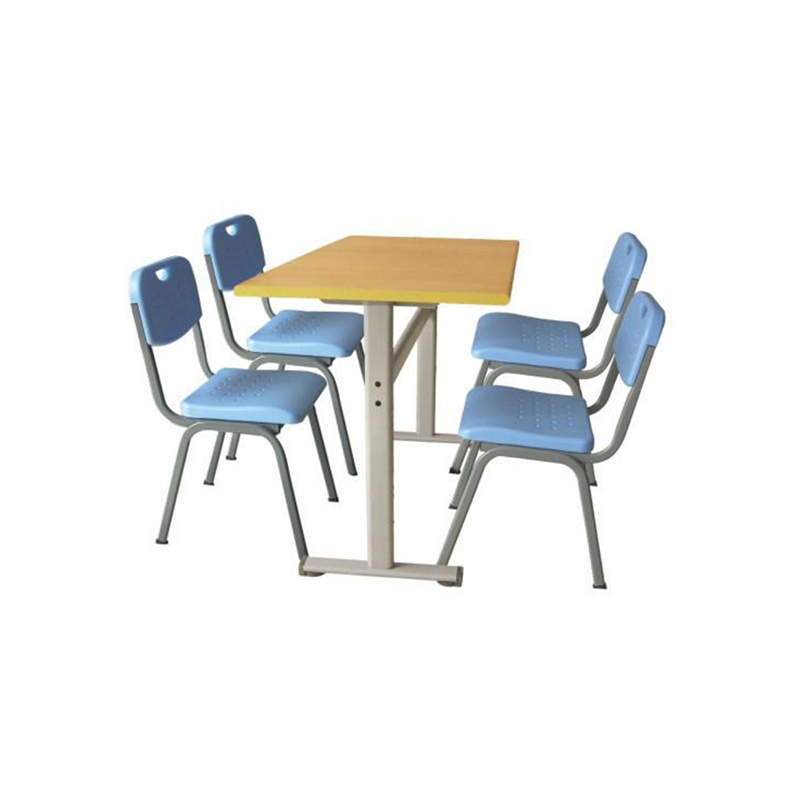
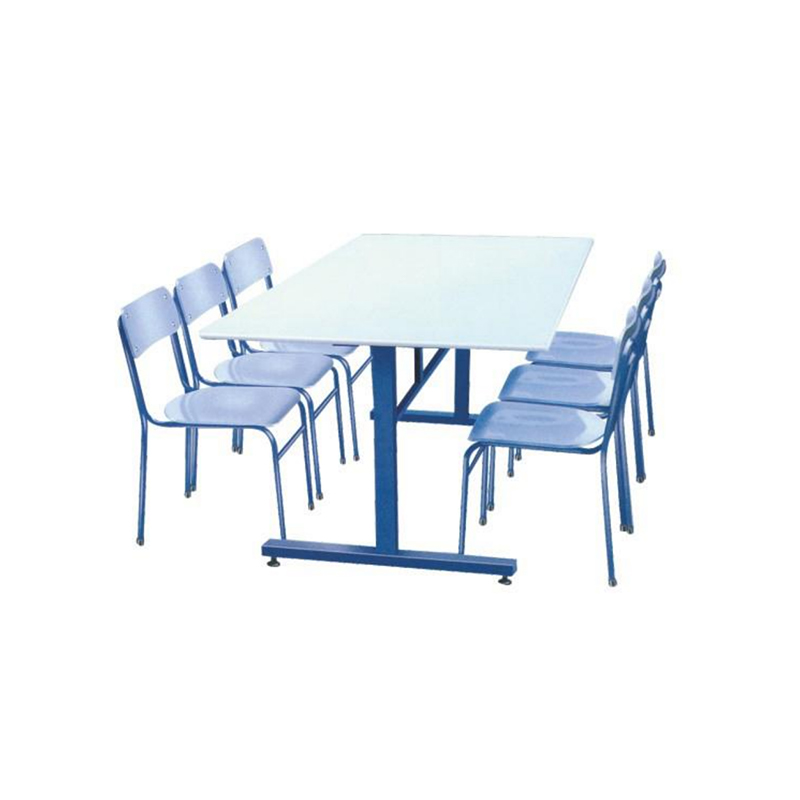
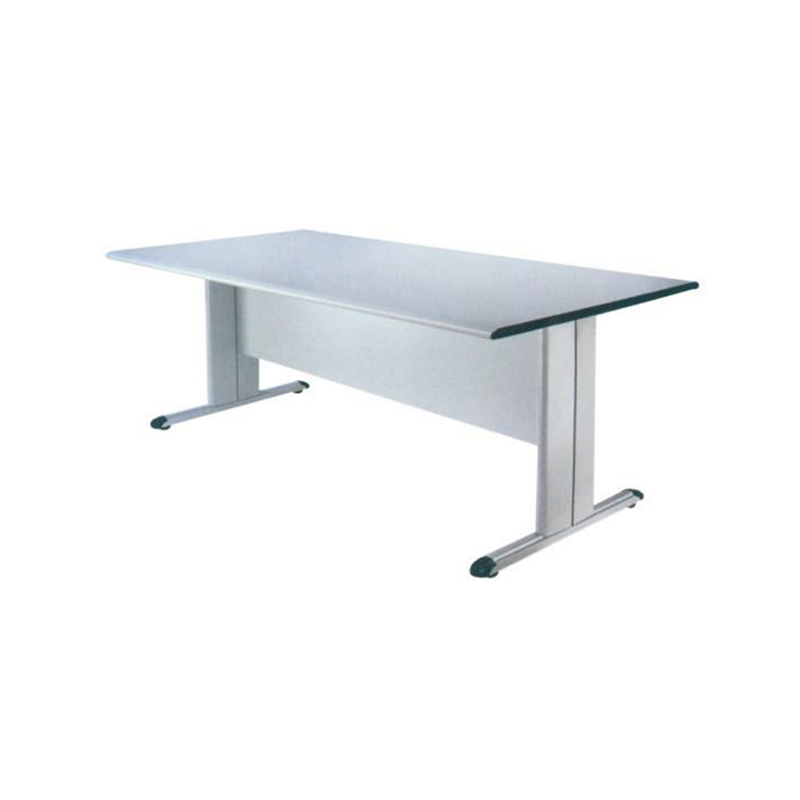
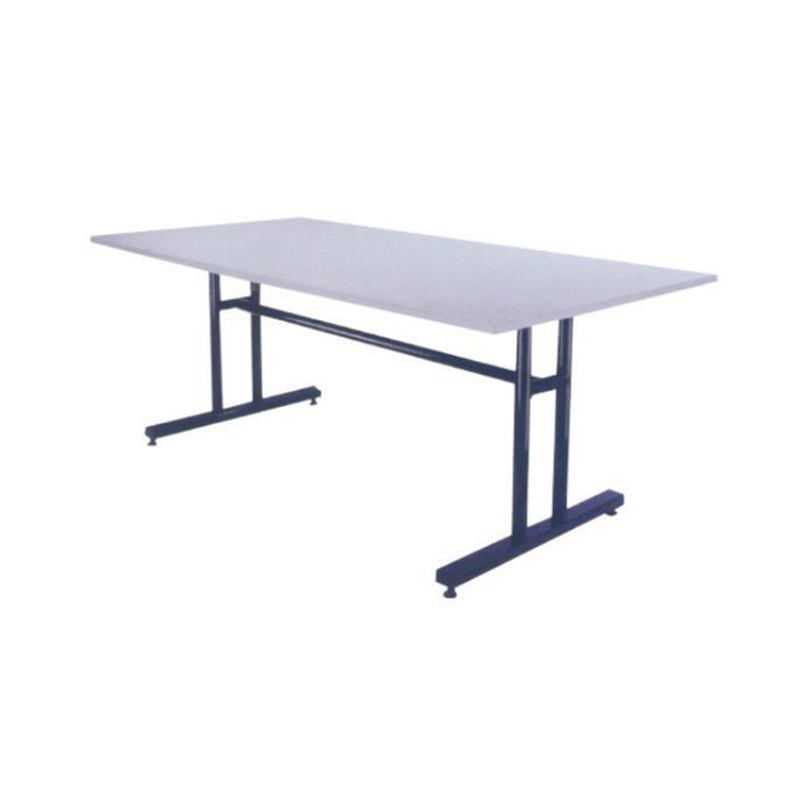
When it comes to creating the ideal environment for studying or reading in libraries, one of the most essential aspects is providing furniture that promotes comfort, productivity, and focus. Library reading desks and chairs are specifically designed to meet the unique needs of library users, providing practical solutions to common issues such as discomfort during long reading sessions, lack of space efficiency, and maintaining a quiet, distraction-free environment.
Common User Pain Points
Discomfort during long reading or study sessions
Users often spend several hours at a time reading, studying, or working in libraries. A common pain point is discomfort due to poorly designed desks and chairs that fail to provide adequate support or adjustability. Without comfortable seating, long hours of use can lead to back pain, poor posture, or fatigue, which detracts from the overall reading or studying experience.
Limited space for personal belongings or study materials
In a busy library, space is often at a premium. Users need enough room to spread out books, laptops, stationery, and other materials. Traditional desks may lack sufficient surface area or storage options, leading to cluttered workspaces that hinder productivity.
Noise and distractions
Many library users require a quiet environment to focus on their work. However, some library furniture designs may inadvertently contribute to distractions. Desks with poor layout designs or uncomfortable chairs may lead to restless behavior, disrupting concentration. Moreover, users may struggle with noise if they cannot find a comfortable space where they can settle in for long study sessions.
Addressing User Needs with Library Reading Desks and Chairs
Optimal Space Efficiency and Organization
Space efficiency is a key consideration when designing library furniture. Library reading desks are crafted with enough surface area to hold multiple books, laptops, and study materials without creating a cluttered environment. Many desks also come with built-in storage options like drawers or compartments, providing users with a dedicated space to organize their materials and personal items. This eliminates the need for additional storage units, maximizing the use of available space in the library.
Noise Reduction and Distraction-Free Environment
To further enhance the study experience, library reading desks and chairs are designed to minimize distractions. Many desks come with dividers or partitions that offer a degree of privacy, ensuring users have a quiet space to concentrate. The quiet, stable construction of the furniture minimizes noise from movement or shifting, contributing to a distraction-free environment. For libraries aiming to create zones for both group study and silent reading, modular desks and chairs can be arranged in a way that supports both collaborative and individual work while maintaining the quiet atmosphere required for focused reading or study sessions.
Durability and Long-Term Value
Another important need that library reading desks and chairs address is durability. Libraries often experience high foot traffic and require furniture that can withstand constant use. The materials used in the construction of these desks and chairs—such as high-quality wood, metal frames, and sturdy finishes—ensure that the furniture will last for years, even in busy library environments. The focus on durability reduces the need for frequent replacements, making it a cost-effective solution for libraries looking to maintain a long-lasting and functional space.
Aesthetic Appeal and Uniformity
Beyond function, library reading desks and chairs contribute to the overall ambiance of the library. Well-designed furniture with clean lines, modern finishes, and uniform styles enhances the aesthetic appeal of the space. Libraries can select furniture that aligns with their design vision while still providing a comfortable and functional environment for their patrons. The aesthetic of the furniture also creates a more inviting atmosphere, encouraging users to spend time in the library.
Metal cabinets continue to play a useful role in workshops and production facilities where organization matters. These sturdy unit...
View MoreThermosetting Chair Designs Combine Strength With Lightweight Structure A thermosetting chair is built from resin that undergoes a...
View MoreWhat Goes Into a Laboratory Table's Construction Surface material is one of the more consequential choices in a Laboratory Table's...
View MoreThe folding chalk board never really disappeared — it just stopped being the only option. Now that classrooms, home offices, and s...
View MoreThe Purpose of File Cabinets in Daily Operations File cabinets provide structured storage for paper records, folders, and related ...
View MoreLibrary reading desks and chairs play an important role in creating an environment that supports focus, comfort, and long study sessions. Whether the library serves students, employees, researchers, or the public, the furniture selected helps shape the overall atmosphere and usability of the space.
Library reading desks and chairs contribute to more than just seating. They support concentration, encourage good posture, and help define the overall layout of a quiet and organized reading zone. Well-selected furniture can:
Because libraries cater to both quick visits and extended study periods, the furniture needs to balance durability, comfort, and versatility.
Library reading desks come in various shapes, sizes, and structural designs. The right choice depends on the library’s layout and the needs of its users. Key features to consider include:
Adequate surface area allows users to spread out books, devices, and notes without feeling crowded. Larger surfaces are usually preferred in research environments, while compact desks work well in smaller reading rooms.
Common materials include wood, metal, and composite surfaces. Many libraries favor finishes that are smooth, easy to clean, and resistant to wear. A quality surface helps maintain a neat appearance despite frequent use.
Some reading desks include divider panels to help users stay focused and small distractions. These can be especially useful in study rooms or reading areas with high foot traffic.
In modern library settings, users often rely on laptops and other electronic devices. Desks with built-in cable ports, modesty panels, or storage compartments help maintain a tidy and organized space.
Comfortable legroom supports a natural sitting posture. Desks should also be accessible for users of different ages and mobility levels.
Reading chairs must support comfort, posture, and long-term usability. When selecting chairs for a library, consider the following:
Chairs with supportive backrests and functional seat shapes encourage proper alignment and reduce discomfort during extended reading sessions.
The height of the chair should complement the reading desk. Proper proportions help users maintain a comfortable and focused position.
Chairs used in public spaces experience constant movement and weight shifts. A stable structure helps ensure safe and consistent use.
Fabric, wood, plastic, and cushioned seats all offer different advantages. Materials that are easy to clean or resistant to wear support hygienic and long-lasting use.
Chairs with protective foot caps or quiet glides help small noise, which is especially important in silent study zones.
Different areas within a library serve different purposes. Choosing the right furniture for each zone helps big the function and comfort of the space.
A well-planned layout helps users move easily and find comfortable study spots without disrupting others. When arranging library reading furniture, consider the following:
Maintain clear walking paths around desks and chairs, especially near entrances, returns, and bookshelves.
Reading areas benefit from consistent lighting. Desk placement should take advantage of natural and artificial lighting while small glare.
Separate quiet zones from collaborative areas. Furniture design can help reinforce boundaries by directing foot traffic and creating visual separation.
Modular or stackable options allow staff to rearrange seating based on events or seasonal changes in user demand.
Investing in well-designed library furniture brings several practical advantages:
These benefits support both everyday library operations and long-term planning.
To keep desks and chairs in good condition, regular maintenance is important. Here are useful practices:
The look and feel of the furniture contributes to a library’s atmosphere. When selecting reading desks and chairs, consider:
A library may host a diverse group of users, including students, professionals, seniors, and children. Selecting furniture that addresses their needs ensures universal usability:
Library reading desks and chairs help shape the overall reading experience. They promote comfort, support study habits, and reflect the library’s commitment to user well-being. By choosing furniture that balances durability, design, functionality, and comfort, libraries can create inviting spaces where people enjoy reading, researching, and learning.
 Library Browsing Desk Producer


 русский
 عربى
عربى
 Español