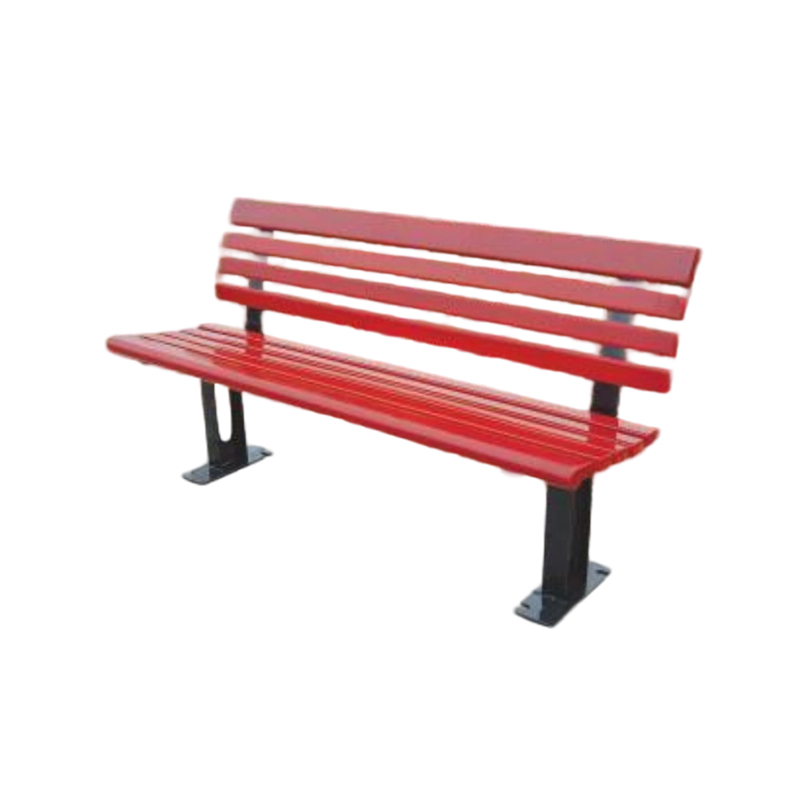
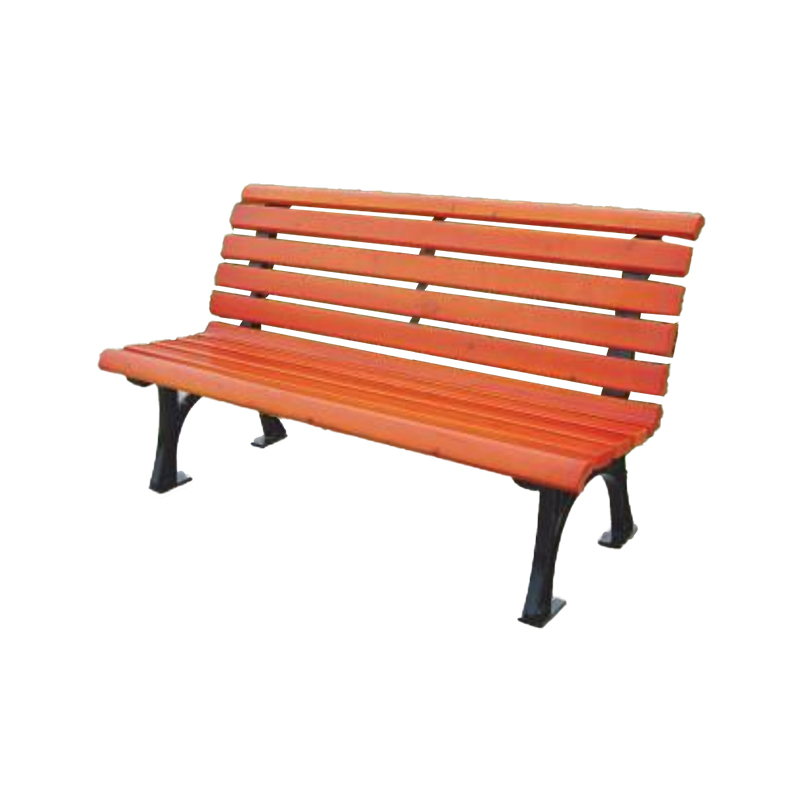
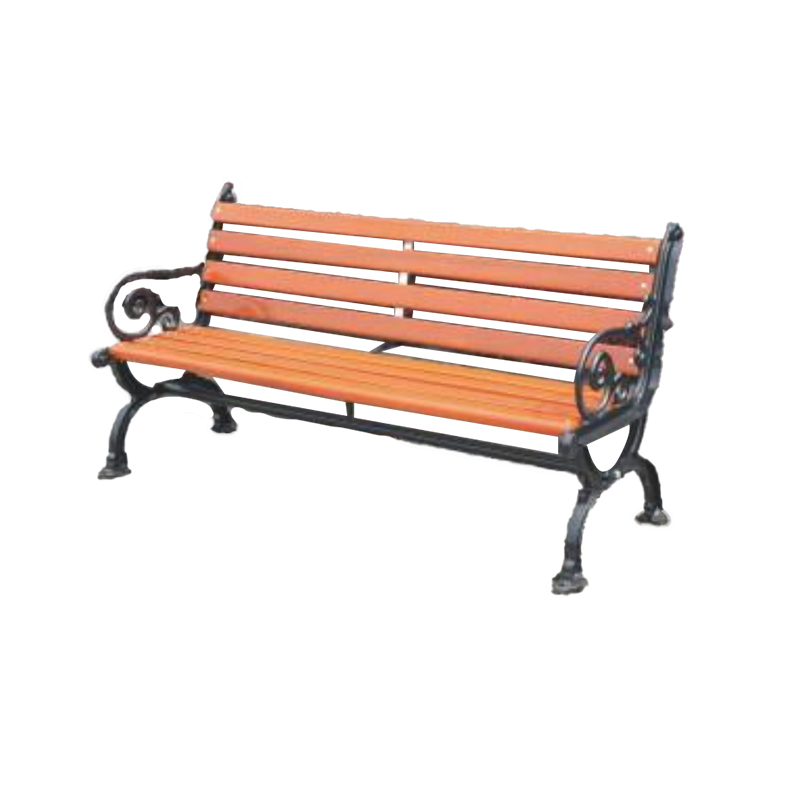
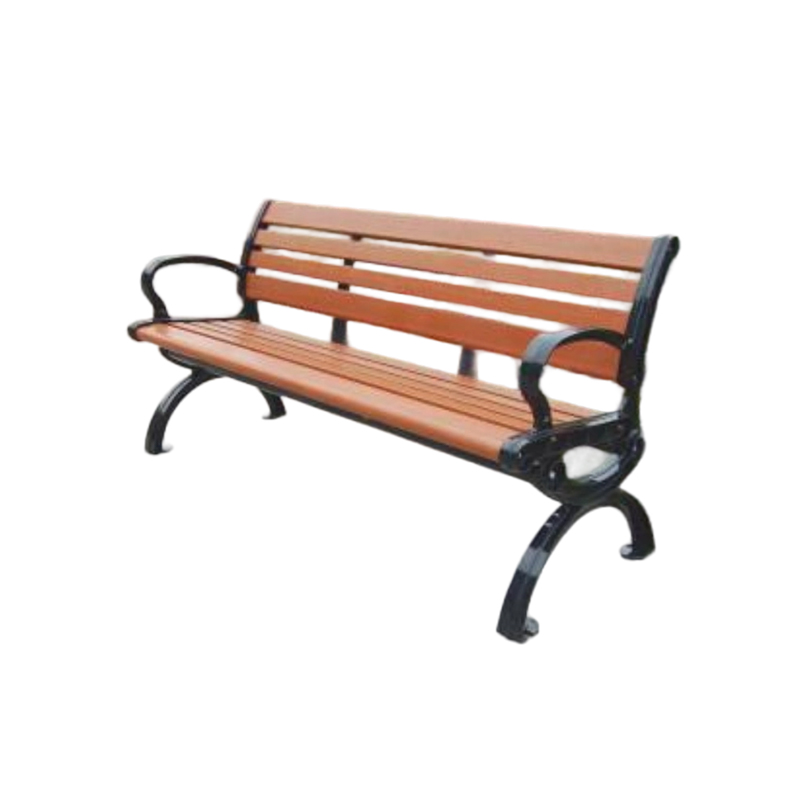
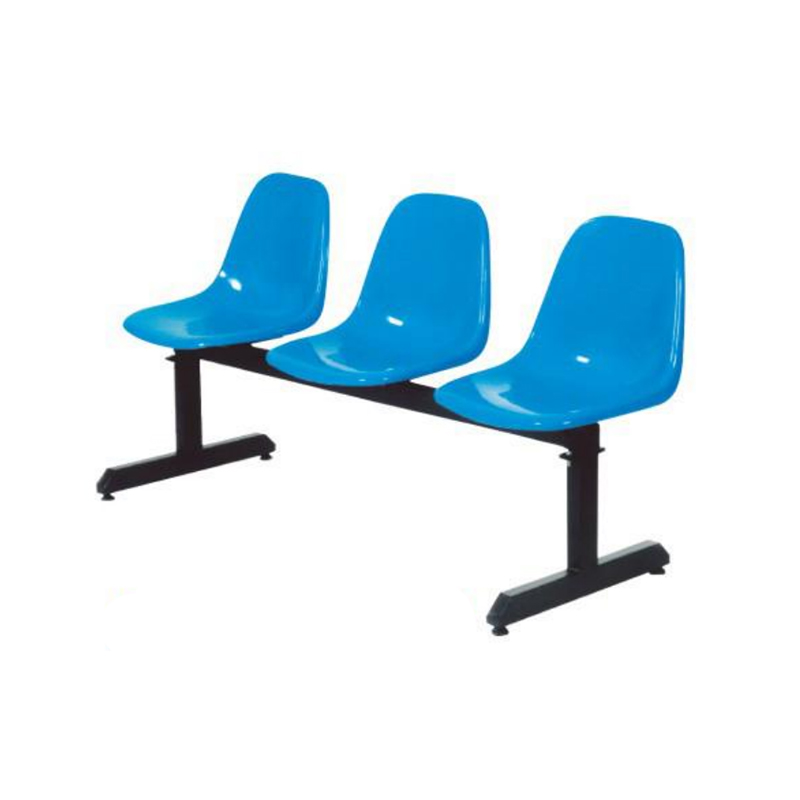
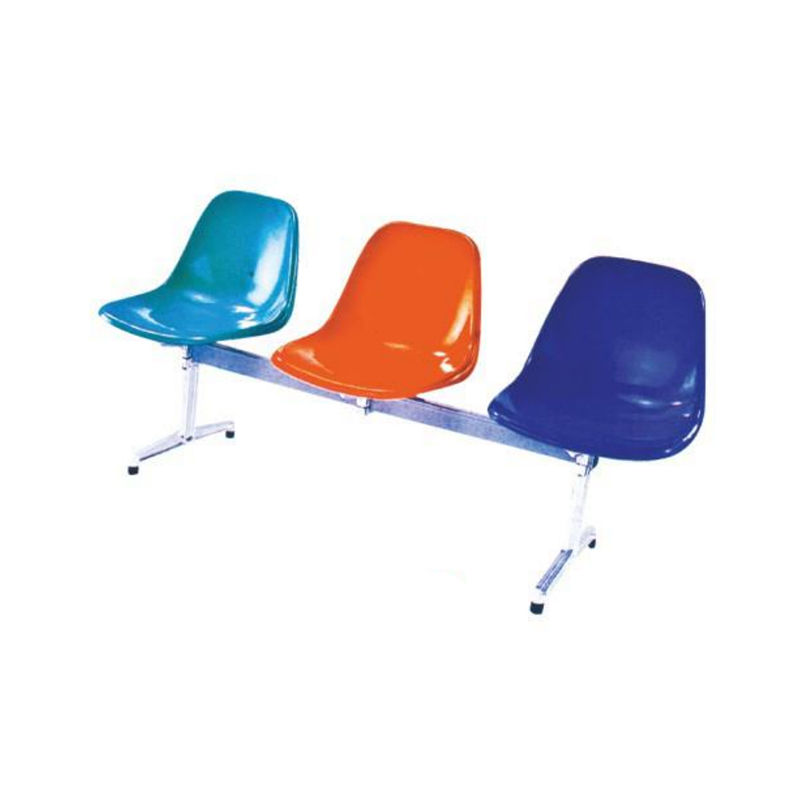
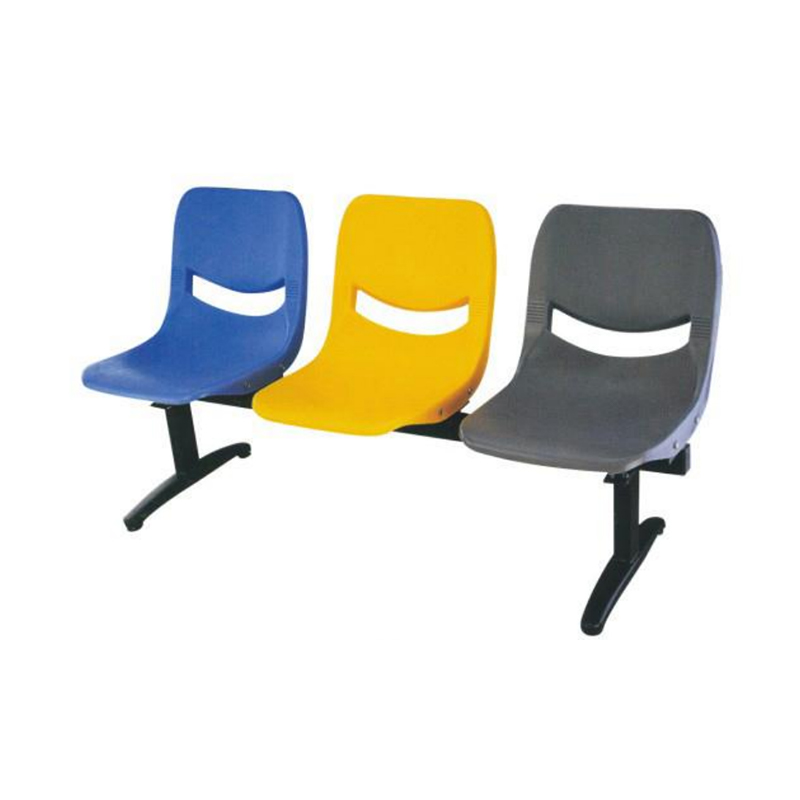
School benches are a fundamental piece of furniture designed to provide comfortable and durable seating in educational settings. Built to accommodate students of varying sizes, these benches are made from sturdy materials that ensure longevity and functionality. They are versatile in design, allowing for both individual and shared seating arrangements, making them ideal for classrooms, hallways, and outdoor spaces. School benches support effective learning environments by offering comfort, organization, and easy maintenance for both students and teachers.
Product Advantages
Durability and Strength
Designed to withstand the wear and tear of everyday use, school benches are typically made from durable materials such as steel, wood, or high-grade plastic. These materials can handle heavy usage, making them an excellent investment for schools, where benches are often used for years. Whether placed indoors or outdoors, these benches retain their integrity, ensuring that they remain functional and reliable over time.
Comfort and Ergonomics
School benches are designed with comfort in mind. Many models feature contoured seating to help promote good posture, which is essential for students during long periods of sitting. Ergonomically designed benches support students’ backs, preventing discomfort or fatigue during lessons or study periods. Additionally, the seating space is generally wide enough to accommodate students of different body sizes, contributing to a more comfortable experience.
Space Efficiency and Flexibility
School benches offer a space-efficient solution for classrooms or hallways. Many designs feature compact and stackable forms that can be easily moved or rearranged to accommodate different group sizes or activities. The flexibility of these benches allows schools to use them in various configurations, whether for individual seating or group work. The ability to move and reconfigure the seating arrangement quickly makes school benches an ideal option for versatile learning environments.
Easy Maintenance and Hygiene
School benches are built for easy maintenance, ensuring that schools can keep their classrooms or outdoor areas clean and hygienic. The materials used in their construction are easy to wipe down and sanitize, which is particularly important in educational settings where cleanliness is a priority. Whether made from smooth wood or wipeable plastic surfaces, these benches allow for efficient cleaning, helping to maintain a healthy and safe environment for students and staff alike.
Product Features
Sturdy and Safe Construction
School benches are designed with safety and stability in mind. Most models feature sturdy legs and reinforced frames to ensure that the benches remain stable, even during heavy use. For additional safety, some benches include rounded edges or corners to prevent injury from sharp surfaces. This attention to detail ensures that students can sit comfortably without the concern of unstable furniture or sharp edges.
Variety of Materials and Finishes
School benches come in a wide variety of materials and finishes to suit different environments. For example, wooden benches offer a classic and durable option for traditional classrooms, while metal or plastic benches provide modern, lightweight choices for multi-purpose spaces or outdoor settings. The finishes range from natural wood to vibrant colors, allowing schools to choose benches that match their interior design or school colors.
Ergonomic Features for Comfort
In addition to providing ample seating space, many school benches feature ergonomic design elements such as curved backs or seat contours to support students' posture. These features help prevent discomfort during long sitting periods, promoting good posture and contributing to better concentration and productivity in the classroom.
Environmental Considerations
Many school benches are designed with sustainability in mind. They are often made from eco-friendly materials, such as recycled wood or plastic, that are durable yet environmentally responsible. Choosing benches made from sustainable materials helps schools reduce their environmental footprint while still providing quality seating options for students.
Product Uses
Classroom Seating
School benches are most commonly used in classrooms, where they provide practical seating for students during lessons, group work, or study time. The space-efficient design allows for the arrangement of multiple benches in rows or clusters, depending on the classroom’s layout and the type of activity. Their durability ensures that they can withstand frequent movement and use in active learning environments.
Outdoor Spaces and Playground Areas
School benches are also perfect for outdoor use in playgrounds, gardens, or open spaces on school campuses. Whether used as seating for students during recess or as a place for outdoor lessons, these benches provide a comfortable, weather-resistant option for creating relaxing outdoor areas. Many outdoor school benches are designed to resist the effects of rain, sun, and general wear, making them a valuable addition to any school’s exterior.
Hallways and Waiting Areas
In addition to classrooms and outdoor areas, school benches are frequently used in hallways, corridors, and waiting areas. Their compact design allows them to fit into narrow spaces while still offering a place for students to sit. These benches are also helpful in high-traffic areas where students might wait before class starts, or in places where temporary seating is needed for special events or assemblies.
Libraries and Study Areas
School benches are often used in school libraries or dedicated study areas. The design allows for flexible seating arrangements, which are ideal for students who need space to read, work independently, or collaborate with others. The benches’ ergonomic features contribute to a more comfortable and focused study experience, encouraging students to spend more time in the library or study zone.
The folding chalk board never really disappeared — it just stopped being the only option. Now that classrooms, home offices, and s...
View MoreThe Purpose of File Cabinets in Daily Operations File cabinets provide structured storage for paper records, folders, and related ...
View MoreAnyone who's sat through a school day knows the student desk and chair are basically where everything happens. You read there, wri...
View MoreWhat makes a laboratory stool different from a regular stool At first glance, a laboratory stool may look like any tall stool you ...
View MoreThermosetting Chair Deformation Resistance Seeing Noticeable Gains One area where thermosetting chairs have improved is their abil...
View MoreSchool benches play an important role in shaping comfortable, organized, and effective learning spaces. As educational environments evolve, the demand for durable, functional, and ergonomic furniture continues to grow. School benches remain a dependable choice for classrooms, training centers, study rooms, and other academic facilities. Their structured design, sturdy construction, and versatile uses help create an environment that supports focus, collaboration, and long-term learning.
A school bench typically consists of a seat and, in many cases, an attached desk surface. These benches are designed for students to sit comfortably during lessons, writing tasks, reading sessions, and group activities. Unlike single chairs or movable desks, school benches offer stability, uniformity, and efficient space utilization. They are widely used in primary schools, secondary schools, and various educational institutions with shared seating arrangements.
Depending on the design, school benches can accommodate one, two, or several users. Their structure supports ordering the classroom layout, reducing unnecessary movement and helping maintain a calm and organized atmosphere.
School benches are built to withstand daily use. Frames are typically made from metal, engineered wood, or combined materials that offer consistent support.
Seats may be flat, slightly curved, or cushioned depending on the design. Comfort during long sessions helps support student focus.
Some benches come with an attached writing surface, while others are paired with independent desks. This variety allows institutions to select layouts based on classroom needs.
Benches are designed to fit multiple students side by side, big room capacity while keeping aisles clear and allowing smooth movement.
Materials used for school benches often support quick cleaning, making them suitable for frequent use and regular upkeep.
The bench structure offers balanced weight support, helping maintain safety and comfort during classroom activities.
Benefits of Using School Benches
Benches help maintain consistent seating arrangements. This organization supports smooth transitions between activities and reduces disruptions during lessons.
Shared seating allows students to work together easily during group tasks, pair exercises, and collaborative learning activities.
Durable materials ensure the bench remains functional over time, even when used by large numbers of students daily.
Benches allow more students to be seated within the same area compared to individual desks, making them suitable for classrooms with limited space.
Uniform seating contributes to a tidy and structured look, helping create an inviting learning environment.
Types of School Benches
These benches offer a classic appearance and are widely used in classrooms seeking a warm, traditional aesthetic.
Featuring metal legs or frames paired with wooden or laminated seats, these benches are known for stability and long-term use.
This type includes a seat and desk combined into a single unit. It supports writing, reading, and study activities while saving space.
Designed for multiple students, these benches help organize seating groups efficiently.
These benches may include curved seats, supportive backrests, or adjustable components to improve comfort and posture.
Factors to Consider When Selecting School Benches
Schools should examine classroom dimensions and seating arrangements before selecting benches. Proper spacing ensures safety, comfort, and good visibility for students.
Benches made from sturdy materials such as metal frames, laminated surfaces, or high-density wood provide consistent performance during daily use.
For long learning hours, comfort is an important factor. Slightly curved surfaces and supportive backrests can enhance the student experience.
Some benches are lightweight for easy rearrangement, while others are designed to remain stable and fixed. The choice depends on classroom needs.
Materials that resist stains, scratches, and moisture make cleaning easier for school staff.
Benches should match the height and size appropriate for the students using them. Younger students require lower seating, while older students need wider, taller benches.
The more common place for school benches, offering structured seating for daily lessons.
Training spaces use benches for workshops, seminars, and instructional programs.
Benches arranged near shared tables support quiet study and reading sessions.
Some science labs use sturdy benches that pair with equipment-resistant surfaces.
Benches with attached desks help maintain uniformity and order during tests.
| Feature | School Bench | Individual Desk |
| Seating Capacity | Multiple users | One user |
| Space Efficiency | High | Moderate |
| Maintenance | Simple and quick | Easy but with more units |
| Good Use | Classrooms, group work | Personalized study |
| Stability | Strong, shared structure | Independent unit |
| Classroom Appearance | Uniform and organized | Flexible but varied |
School benches contribute to a focused learning atmosphere by providing consistent seating arrangements. When students sit in shared spaces, it encourages cooperation and communication during lessons. The stability of the bench supports writing and reading activities, while the uniform structure helps the instructor manage the class effectively.
School benches offer a reliable, practical, and space-efficient seating solution for a wide range of educational environments. Their sturdy construction, shared seating features, and organized layout help create classrooms that support learning, collaboration, and long-term use.
 Table And Bench Factory


 русский
 عربى
عربى
 Español