Libraries are dynamic spaces designed to facilitate learning, research, and personal exploration. One of the most critical aspects of any library is the ability to store, organize, and easily access reading materials. This is where library bookshelves and journal racks come into play. These essential pieces of furniture not only address storage issues but also contribute to creating a functional and inviting library environment. By understanding the common pain points that users face, we can see how these products solve critical challenges while adding value to library spaces.
Common User Pain Points
Limited Storage and Organization
One of the most common issues faced by libraries is the need for adequate storage space. Books, journals, and periodicals often accumulate quickly, creating clutter. Users frequently struggle with locating materials because they are disorganized, leading to frustration and wasted time. The lack of proper shelving can make it difficult to maintain an organized library, which impacts both users and staff who are responsible for keeping everything in order.
Space Constraints
Libraries, particularly those in schools, small institutions, or public spaces, often operate within limited square footage. This presents a challenge when trying to store a large volume of materials. Bookshelves and racks that are too bulky or inefficient can take up too much valuable space, leaving little room for other essential areas, such as study zones or reading tables. Users, therefore, require storage solutions that maximize space while still maintaining accessibility and order.
Accessibility and Visibility
For users, finding specific books, journals, or periodicals can be a time-consuming task, especially when the items are poorly arranged or hidden on high shelves. It can be particularly frustrating if they are not clearly visible, making the process of finding a resource inefficient and discouraging. Libraries need shelving that enhances visibility and makes books easily accessible, improving the overall user experience.
Addressing User Needs with Library Bookshelves and Journal Racks
Efficient Organization and Accessibility
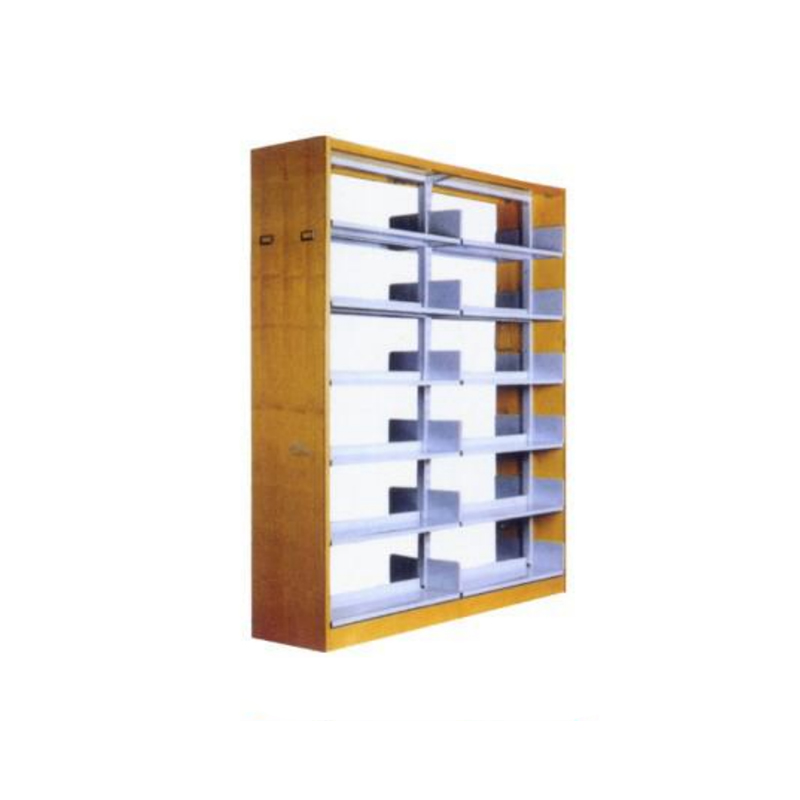
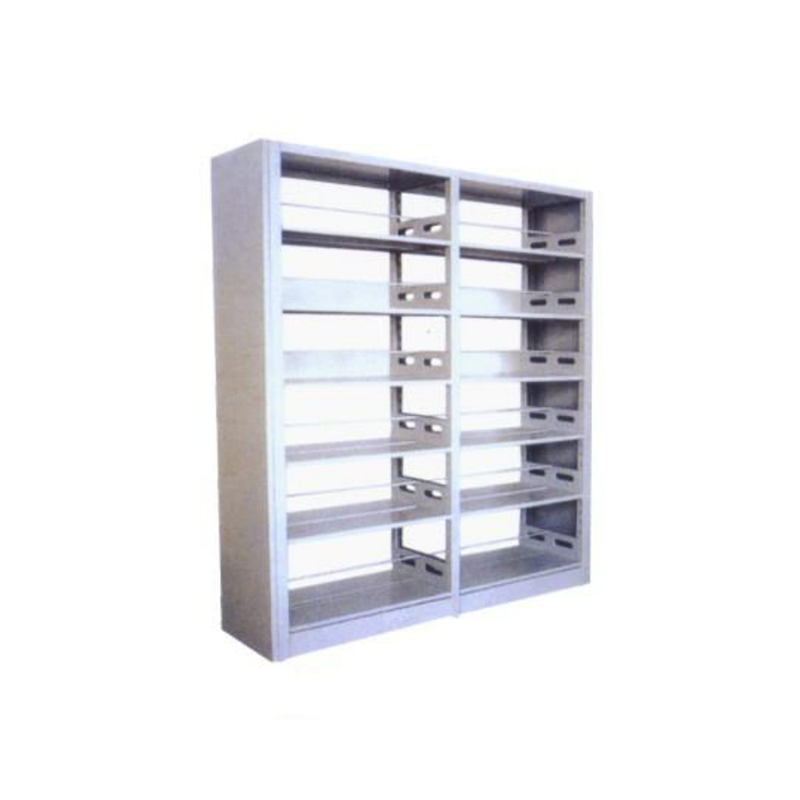
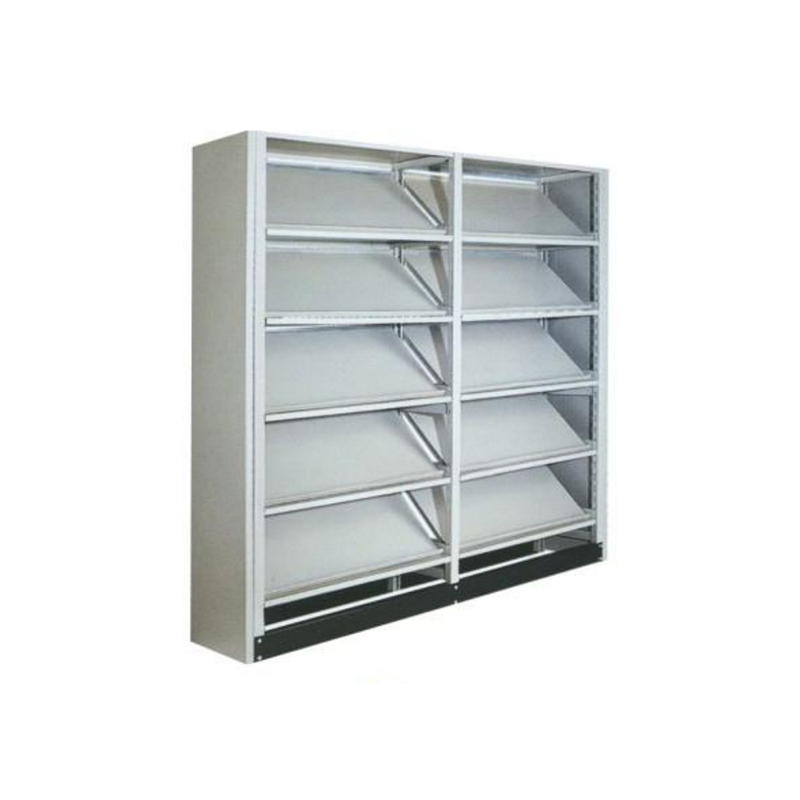
Library bookshelves and journal racks are specifically designed to optimize space and improve organization. These products feature adjustable shelving that can be customized to accommodate various book and journal sizes, ensuring that each item is stored in a manner that maximizes available space. Furthermore, many shelves are designed with open fronts or angled shelves, allowing users to view and access items with ease, without having to search through rows of items. With clear labeling and proper categorization, users can quickly find what they need, saving time and reducing frustration.
Space Optimization
For libraries with limited space, compact yet functional shelving solutions are essential. Modern library bookshelves and journal racks are designed with a space-saving approach, often featuring vertical shelving that takes advantage of available wall space. Modular racks can be added or rearranged based on specific needs, ensuring that the library's layout remains flexible and adaptable. For smaller libraries or spaces, wall-mounted racks or floating shelves can free up floor space while still providing adequate storage. This allows libraries to maintain a clutter-free environment without sacrificing functionality.
Durability and Long-Term Value
Libraries face the constant challenge of maintaining their furniture under heavy daily use. Bookshelves and journal racks must be constructed with high-quality, durable materials such as metal, solid wood, or reinforced plastics. These materials ensure that the shelving units can withstand the wear and tear associated with frequent use. By investing in sturdy, long-lasting racks and bookshelves, libraries can avoid frequent replacements and reduce maintenance costs over time, making it a worthwhile investment for any library space.
Design and Aesthetic Appeal
The aesthetic quality of library furniture, including bookshelves and journal racks, plays a significant role in creating an inviting atmosphere. These pieces are available in various styles, from modern and minimalist to traditional and ornate, allowing libraries to match the furniture with their existing decor. In addition to their functional role, well-designed bookshelves and racks contribute to the overall aesthetic appeal of the library, creating an organized, calm, and visually pleasing environment. This enhances the user experience, promoting a more pleasant and focused environment for reading and study.
Versatility for Different Library Needs
Library bookshelves and journal racks serve multiple purposes, making them versatile tools for different types of libraries. In addition to storing books, many journal racks are designed to hold magazines, newspapers, or research periodicals, making them ideal for academic libraries or public spaces with diverse reading materials. Some designs incorporate dedicated spaces for digital media or multimedia resources, ensuring that libraries can adapt to modern needs. Furthermore, adjustable shelves allow libraries to modify their storage setups as collections grow or change, ensuring the shelving solutions remain effective over time.
Metal cabinets continue to play a useful role in workshops and production facilities where organization matters. These sturdy unit...
View MoreThermosetting Chair Designs Combine Strength With Lightweight Structure A thermosetting chair is built from resin that undergoes a...
View MoreWhat Goes Into a Laboratory Table's Construction Surface material is one of the more consequential choices in a Laboratory Table's...
View MoreThe folding chalk board never really disappeared — it just stopped being the only option. Now that classrooms, home offices, and s...
View MoreThe Purpose of File Cabinets in Daily Operations File cabinets provide structured storage for paper records, folders, and related ...
View MoreLibrary bookshelves and journal racks play a central role in maintaining an organized, efficient, and user-friendly reading environment. These storage units support smooth browsing, protect valuable materials, and help shape the layout of the entire library. Whether used in public libraries, academic institutions, offices, or learning centers, well-selected bookshelves and journal racks improve both functionality and visual appeal.
Bookshelves and journal racks do more than hold books and periodicals—they influence how users interact with library materials. The right storage system should:
As libraries evolve to include both printed and digital resources, storage solutions must adapt to changing needs while maintaining a clean and structured atmosphere.
Library bookshelves come in a wide range of designs and configurations. Each type offers unique advantages depending on the size of the collection and the available space.
Freestanding shelves are versatile and can be placed anywhere in the library. They are suitable for creating reading aisles, dividing rooms, or organizing various categories of books.
Wall-mounted units save floor space and provide an open, small layout. These shelves work well for lighter collections, reference books, or display sections.
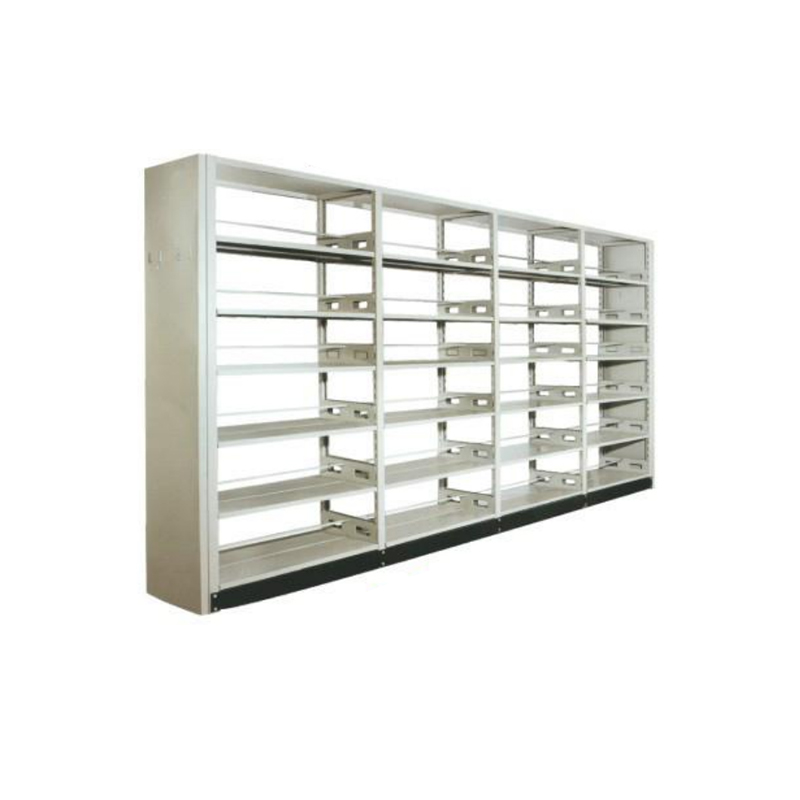
Double-sided shelves are often used in larger libraries to create efficient rows. They allow users to browse from both sides and help big storage capacity.
Adjustable designs offer flexibility to accommodate books of different sizes. This adaptability is particularly useful in mixed collections that include textbooks, literature, oversized materials, and multimedia.
Shelving designed for young readers typically features lower heights and rounded edges. These units help create a safe and accessible space for children to explore books.
When selecting bookshelves for a library, several features contribute to long-term usability and convenience:
Journal racks are specifically designed for magazines, newspapers, research journals, and other periodicals. Their structure helps present materials clearly and neatly while keeping them accessible.
These racks allow issues to be displayed face-out, making them easy to browse. They are commonly used for new arrivals or featured publications.
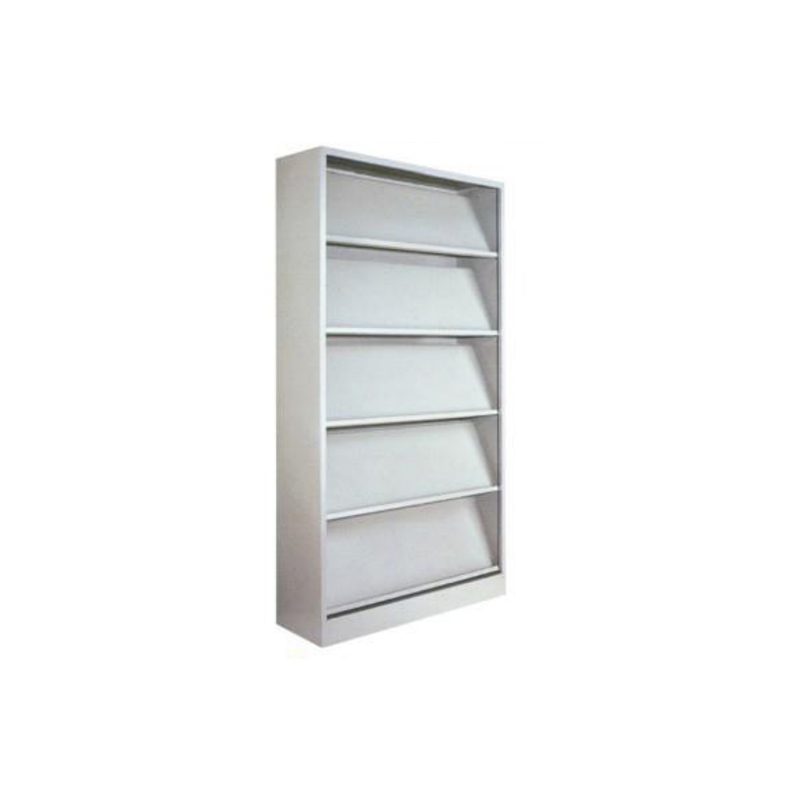
Slanted shelves provide angled visibility, helping users see multiple magazines or newspapers at once.
Compartment-style racks organize journals by title, date, or category. They are ideal for libraries with large periodical collections.
Wall-mounted options big vertical space and work well in compact reading areas.
Some racks combine display and storage features, allowing older issues to be stored behind or below the display area.
Quality journal racks should offer:
These features help maintain order, especially in high-traffic reading rooms.
Different areas within a library require specific storage approaches. Proper selection ensures a functional and efficient environment.
A well-organized layout helps users locate materials easily and promotes efficient movement throughout the library.
Leave adequate space between shelving rows to allow comfortable browsing and wheelchair access.
Ensure bookshelves and racks receive appropriate lighting. Well-lit sections improve visibility and small eye strain.
Arrange shelves according to subject areas or usage levels. Clear zoning helps users navigate without confusion.
Use taller shelving for large collections and compact racks for smaller reading corners. Proper spacing prevents overcrowding.
Selecting the right bookshelves and journal racks provides several key benefits:
These advantages help both staff and visitors enjoy a more structured and productive library setting.
Proper maintenance helps preserve the appearance and functionality of library shelving.
Consistent upkeep supports long-term reliability and ensures a pleasant browsing experience.
Library bookshelves and journal racks are essential elements that shape the layout, appearance, and efficiency of any reading space. By selecting storage units that balance durability, accessibility, and aesthetic value, libraries can create comfortable and organized environments for users of all ages. Thoughtful choices in shelving help ensure that books and periodicals remain well-presented, easy to find, and protected for years to come.


 русский
 عربى
عربى
 Español