2026-01-30
Thermosetting chairs have emerged as important furniture solutions in educational, institutional, and commercial settings, offering a combination of strength, comfort, and reliable performance. These chairs are made from thermosetting plastics that harden permanently after initial molding, making them resistant to deformation under repeated use. The material’s molecular structure changes irreversibly during production, creating a rigid form that withstands daily pressures from seated users. This property makes thermosetting chairs suitable for environments where stable and dependable seating is essential. In classrooms, waiting areas, meeting rooms, and dining facilities, thermosetting chairs are chosen for their ability to retain shape and support across extended periods of use.
The material composition of a thermosetting chair is a key determinant of its performance. High‑quality resins are selected for their impact resistance, load‑bearing capacity, and resistance to chemical interactions that can occur during routine cleaning or exposure to environmental factors. Thermosetting plastics respond well to surface treatments and finishes, allowing manufacturers to produce chairs in varied colors and textures while maintaining the underlying structural integrity. This versatility in aesthetics supports interior design choices without compromising strength. Unlike thermoplastic chairs that can soften or warp under sustained pressure or heat, thermosetting chairs remain rigid and supportive, contributing to a seating experience that feels secure and dependable.
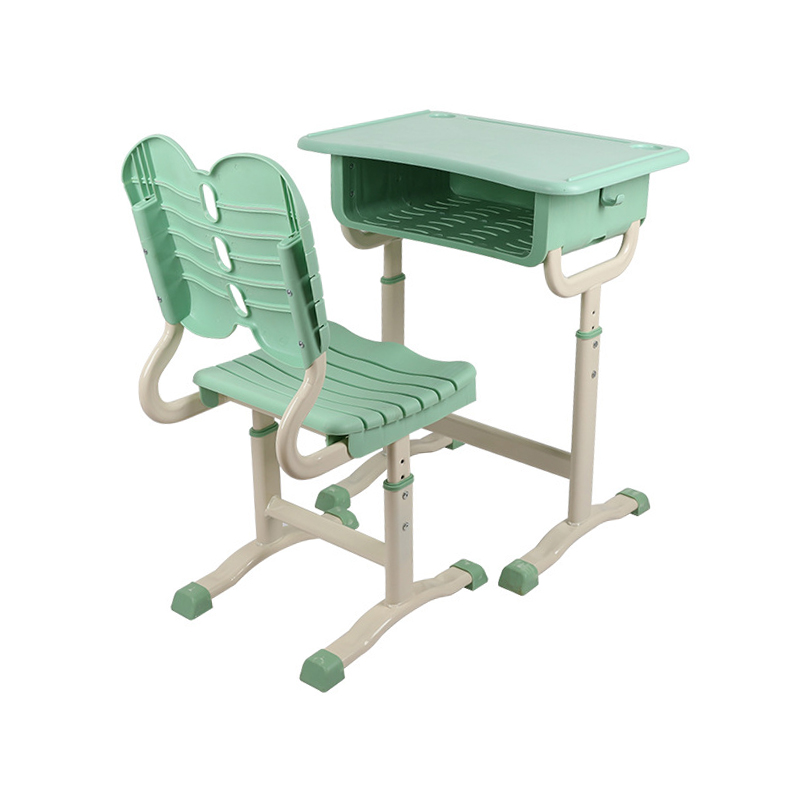
The design of a thermosetting chair integrates both form and function, balancing aesthetic appeal with practical usability. Many thermosetting chairs feature contoured seats and ergonomic backrests, designed to follow natural body curvature and provide comfortable support across the spine and thighs. The non‑porous surfaces of these chairs resist fluid infiltration and staining, making them relatively easy to clean after daily use. This characteristic is especially important in environments such as cafeterias, laboratories, and healthcare waiting areas, where chairs are cleaned frequently as part of routine hygiene practices.
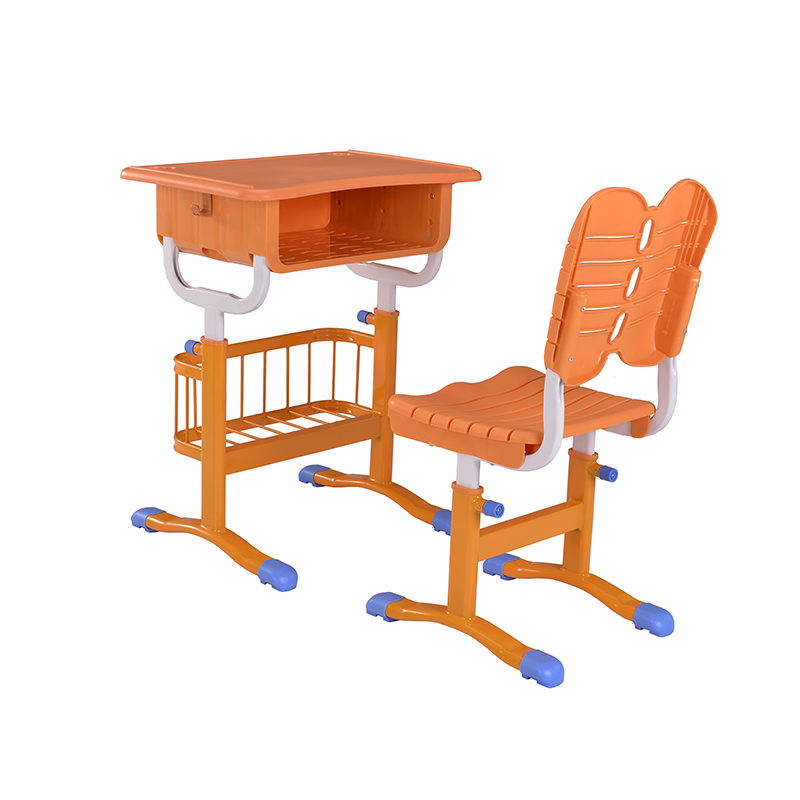
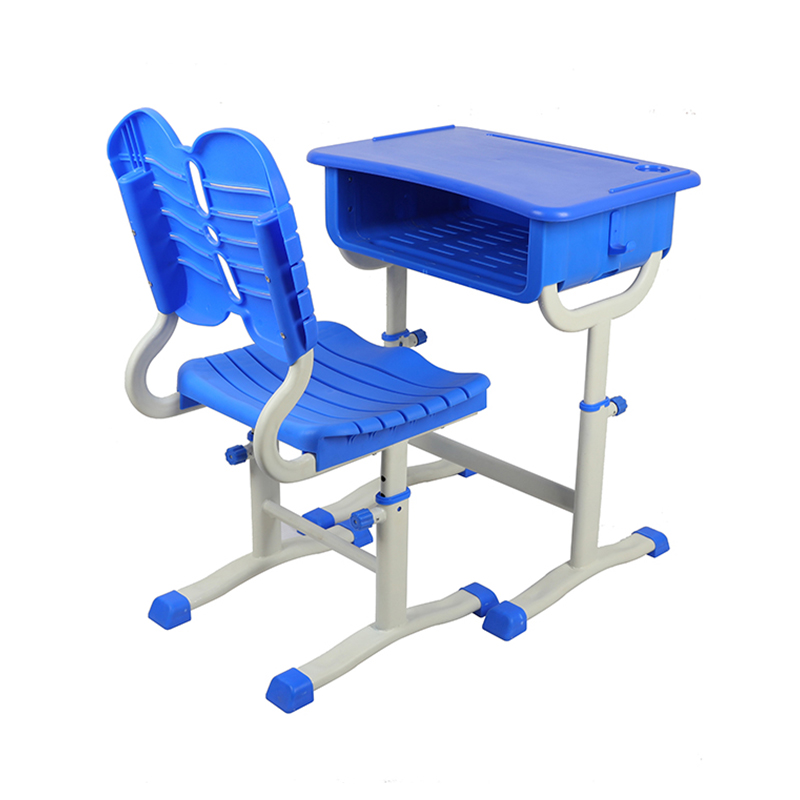
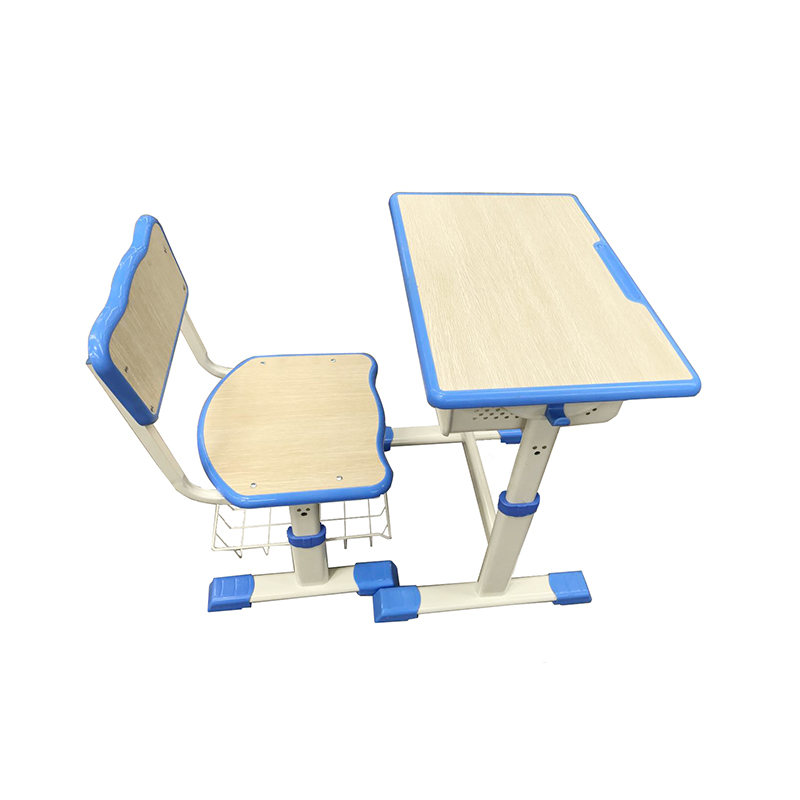
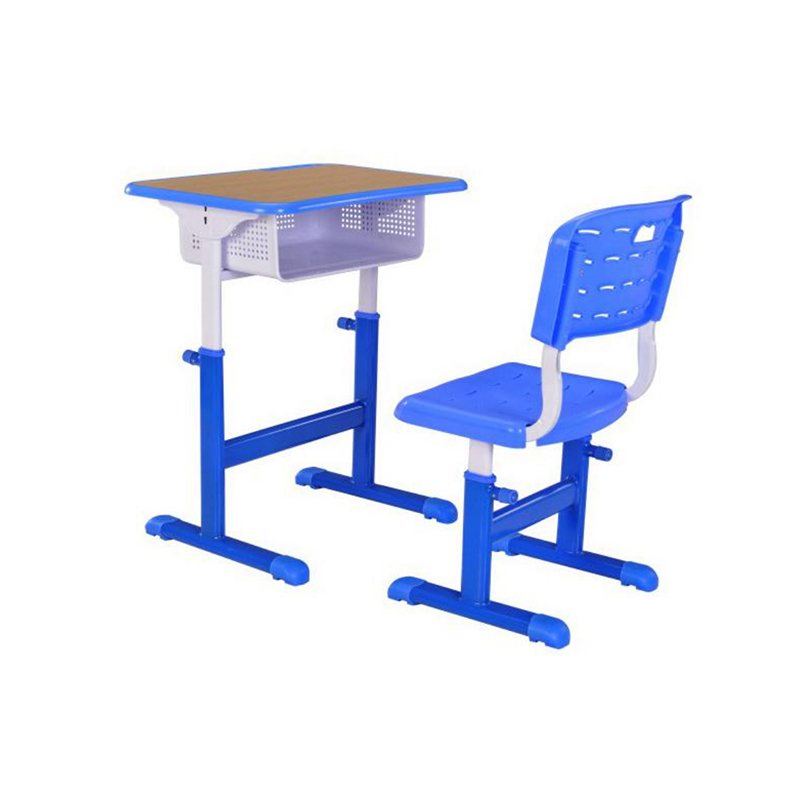
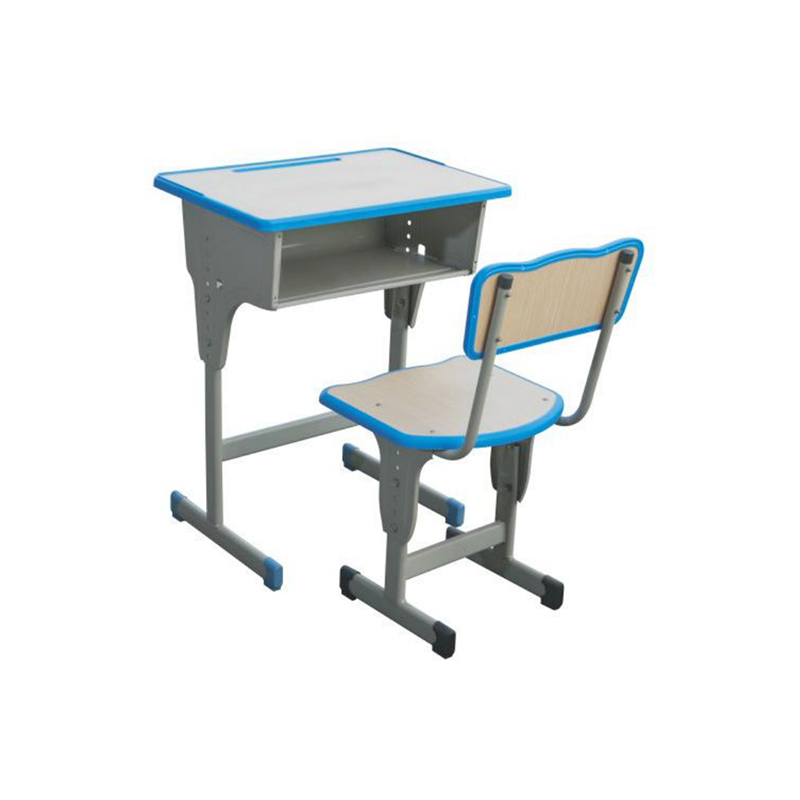
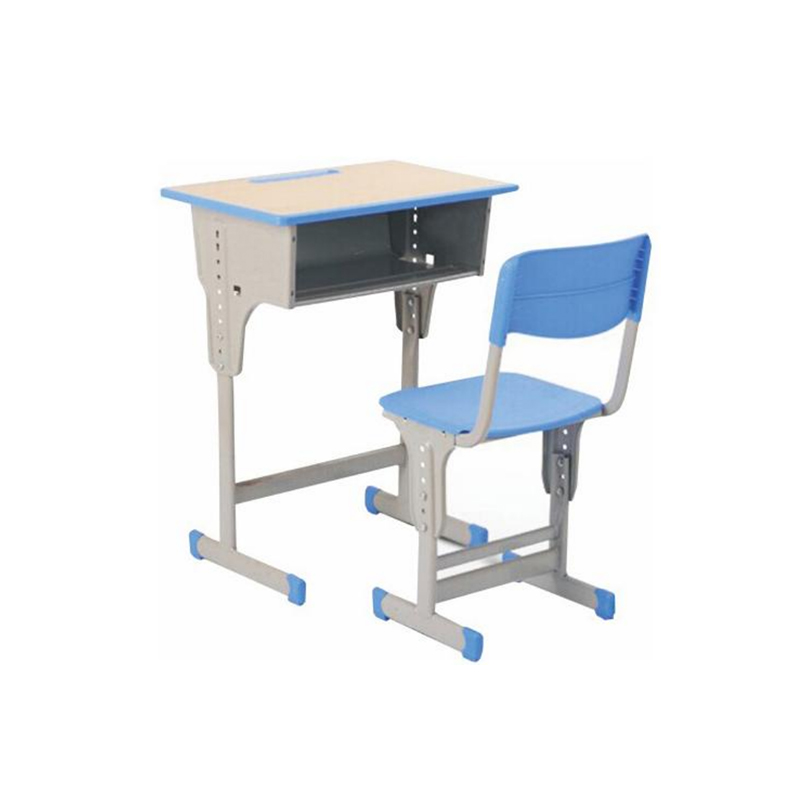
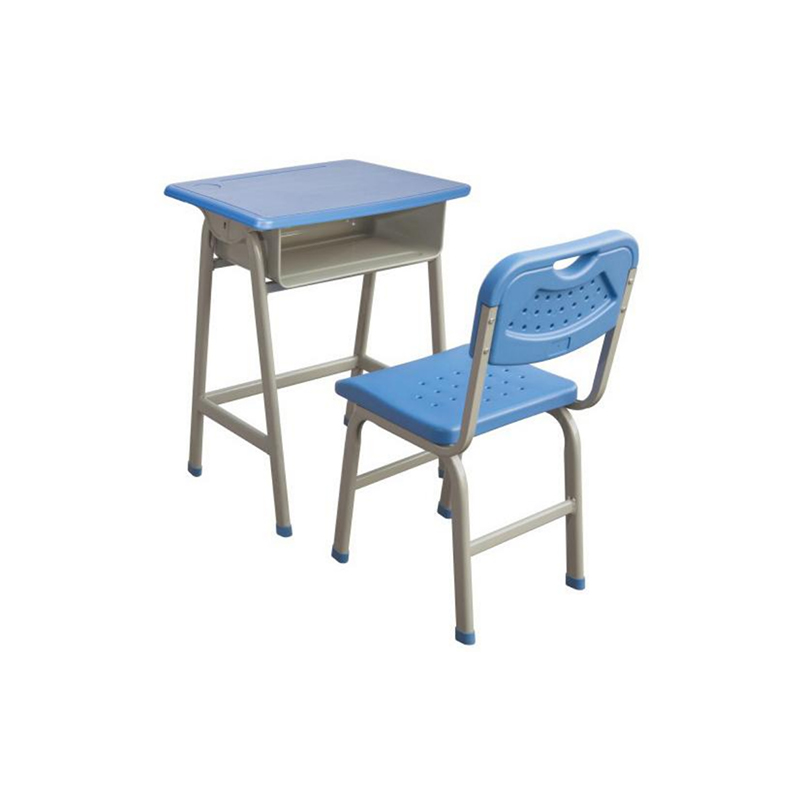
Manufacturers pay careful attention to construction details that support long‑term functionality. Reinforced frames, sturdy legs, and secure joint connections help prevent wobbling or loosening over time. Some models include non‑skid feet to maintain stability on smooth floors, while others integrate slight flexibility in seat edges to reduce pressure points for seated individuals. Thermosetting chairs are also compatible with accessories such as writing tablets, book racks, and under‑seat storage baskets, increasing their usefulness in educational and professional contexts. These design considerations reflect a balance between aesthetic detail and practical performance that enhances overall user satisfaction.
Maintenance of thermosetting chairs is straightforward, contributing to their appeal for high‑use environments. The smooth surfaces of these chairs resist dust accumulation and liquid penetration, reducing the effort needed for cleaning and surface care. Routine wiping with mild cleaning agents ensures that the chair remains hygienic and presentable over time. Unlike some upholstered seating options that may absorb moisture or retain odors, thermosetting chairs promote a clean seating experience that supports overall space hygiene.
Safety is an integral aspect of thermosetting chair design. The inherent rigidity and load‑bearing capacity of thermoset materials help prevent structural collapse or deformation during everyday use. Strong joints and robust leg construction promote balance, reducing the risk of tipping even when users adjust their position. Edges and corners of chairs are often rounded or contoured to minimize pressure points and prevent accidental scratches or discomfort during movement. In institutional environments such as classrooms, lecture halls, or communal areas, these safety attributes contribute to an environment that supports both individual comfort and shared well‑being.
Recommended Products


 русский
 عربى
عربى
 Español