2026-01-16
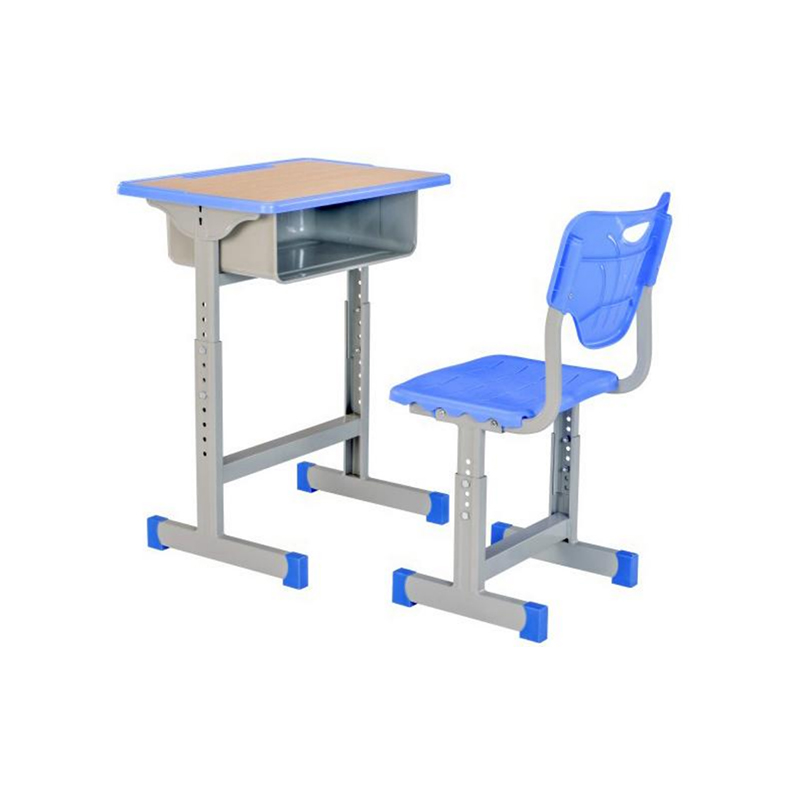
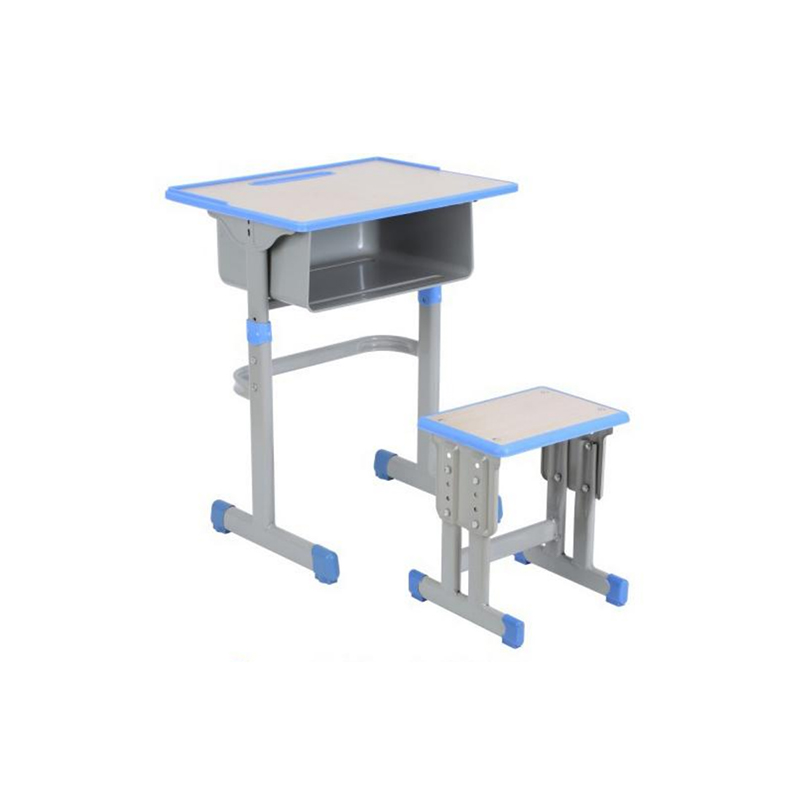
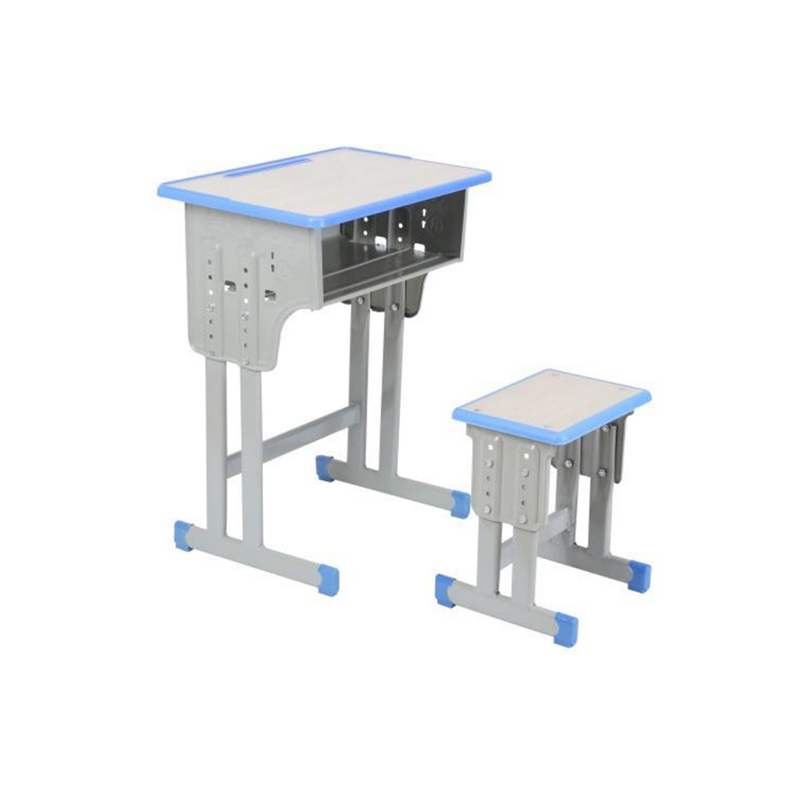
Table and bench furniture has long played a foundational role in educational, institutional, and community environments. Designed to provide stable seating surfaces and workspaces, these pieces support daily activities ranging from study and discussion to hands-on learning. In school settings, tables and benches are at the heart of classroom interactions, allowing students to sit, write, and collaborate together. The layout of tables and benches shapes the way people interact in shared spaces, influencing comfort, posture, and the overall functionality of a room.
Manufacturers of table and bench units consider multiple factors, including material strength, ergonomic design, and ease of maintenance. High-quality tables and benches use robust frames that resist wear from frequent use, while surfaces are finished to tolerate cleaning agents used in institutional care routines. In environments such as classrooms, laboratories, or community halls, furniture must withstand daily use by many individuals without showing rapid deterioration.
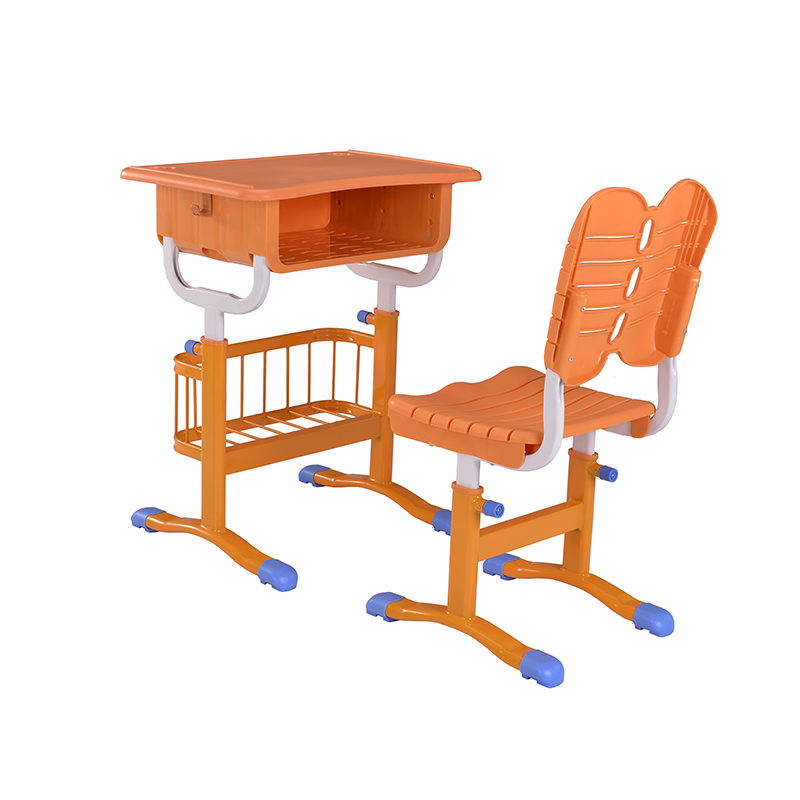
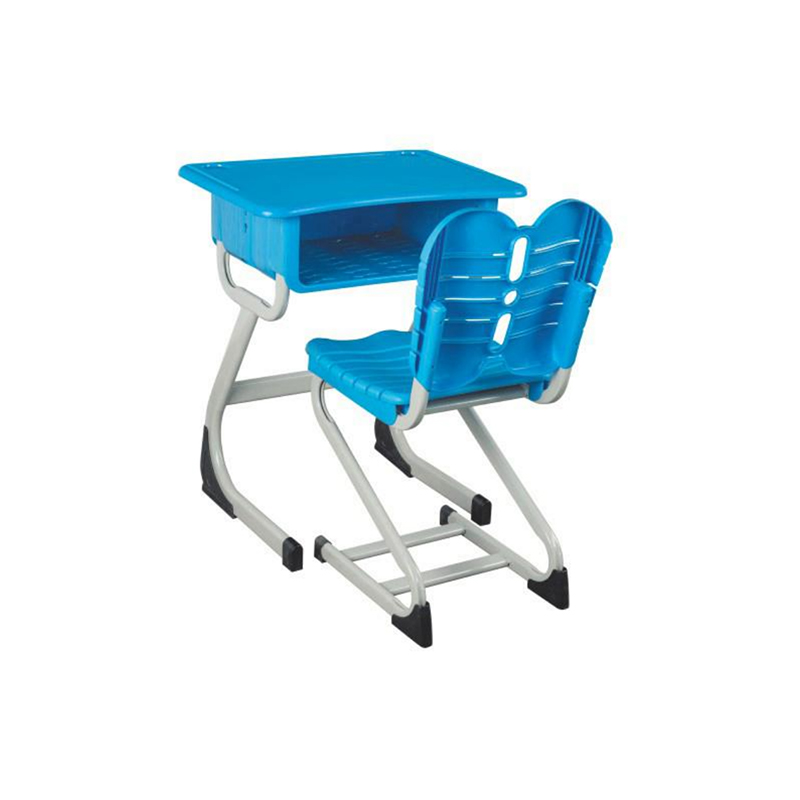
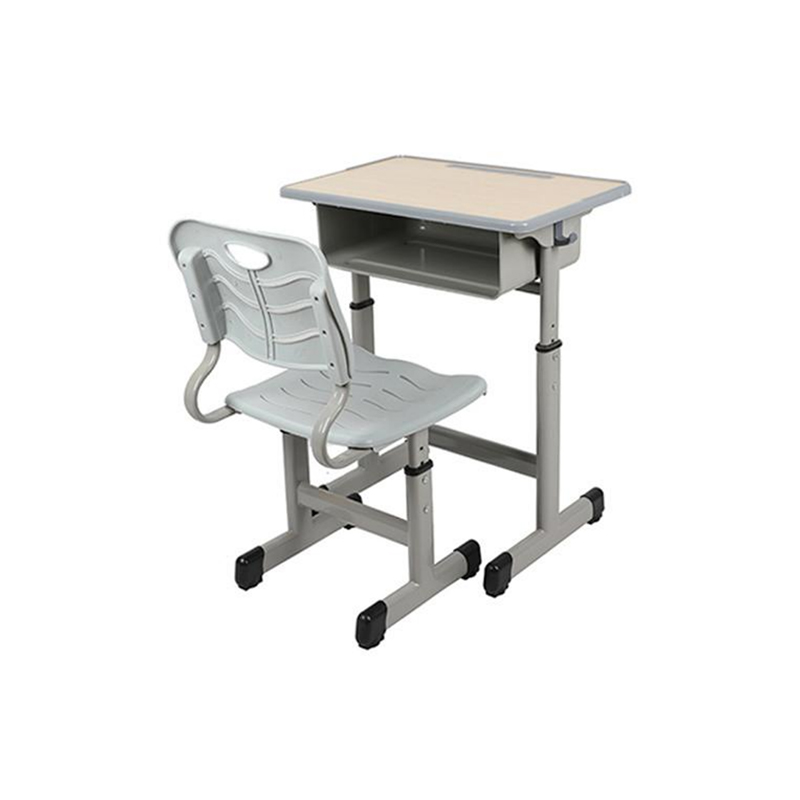
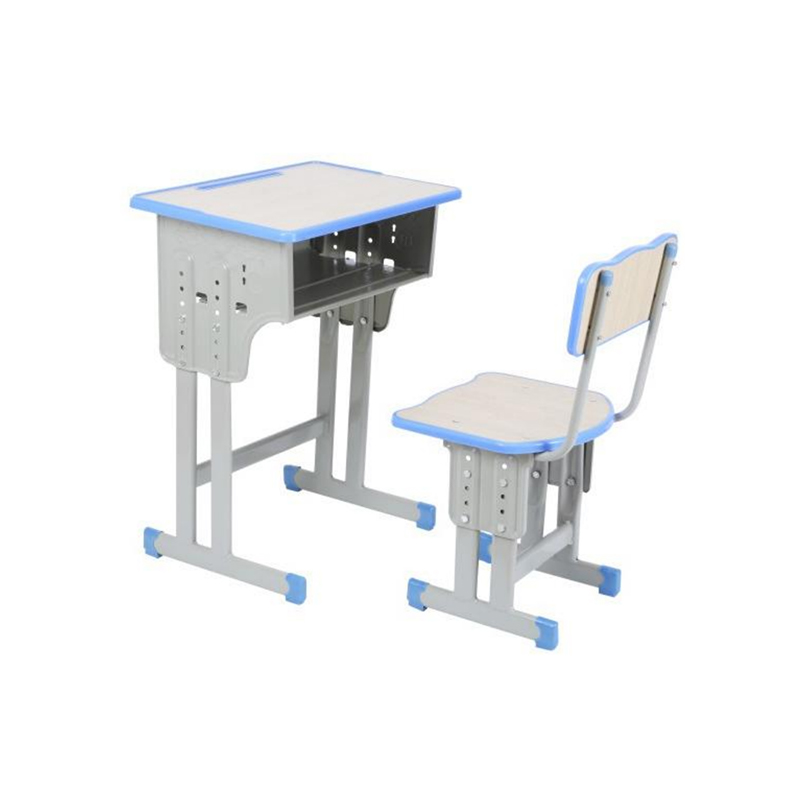
Design considerations extend to the practical needs of users. Tables and benches that accommodate multiple students allow collaborative learning, encouraging dialogue and group problem solving. Long benches can seat several individuals side by side, while individual chairs paired with tables offer flexible seating arrangements. In school dining halls and libraries, table and bench configurations help organize traffic flow and make efficient use of available floor space. The right balance between seat spacing and table height ensures that users of different ages and sizes can sit comfortably without awkward postures that could lead to fatigue.
The adaptability of table and bench furniture makes it suitable for a wide range of applications beyond classrooms. In community centers, multipurpose rooms often use table and bench arrangements to host meetings, workshops, or shared meals. Outdoor table and bench sets extend this versatility to parks and recreational areas, providing sturdy gathering spots for picnics, study sessions, or informal group activities. Portable or modular table and bench units allow institutions to reconfigure seating patterns based on event requirements, supporting both formal and casual functions. Ease of assembly and disassembly adds a layer of convenience for staff who manage space logistics and event planning.
Safety features are integral to the design of tables and benches in public and educational environments. Rounded edges, secure fasteners, and stable bases reduce the risk of injury during active use. Benches are built to prevent tipping or wobbling, even when occupied at full capacity. The strength of the frame and quality of surface materials help resist impacts or pressure from heavy objects and frequent movement. These attributes matter in spaces where children, young adults, and other active users interact with furniture throughout the day.
Comfort is also a key consideration in table and bench design. Bench seating that incorporates gentle curves or supportive surfaces helps reduce strain during long periods of sitting. Table heights are calibrated for ease of writing, reading, or using digital devices, accommodating the ergonomic needs of users. Design choices that prioritize comfort contribute to a more engaging and user‑friendly environment. Students and community members who have appropriate seating are better positioned to focus on tasks, participate in group work, and enjoy shared experiences without distraction.
The aesthetic qualities of table and bench sets influence the overall atmosphere of a space. Neutral tones and clean lines create a professional yet welcoming environment, while finishes that resist fading maintain a fresh appearance over time. Design elements such as matching benches and table tops create visual cohesion, contributing to organized and inviting settings. Institutions that invest in well‑designed furniture reflect attention to detail and care for the daily experiences of students and staff. The presence of quality table and bench furniture enhances the perception of a space as organized, comfortable, and fit for purpose.
Recommended Products


 русский
 عربى
عربى
 Español