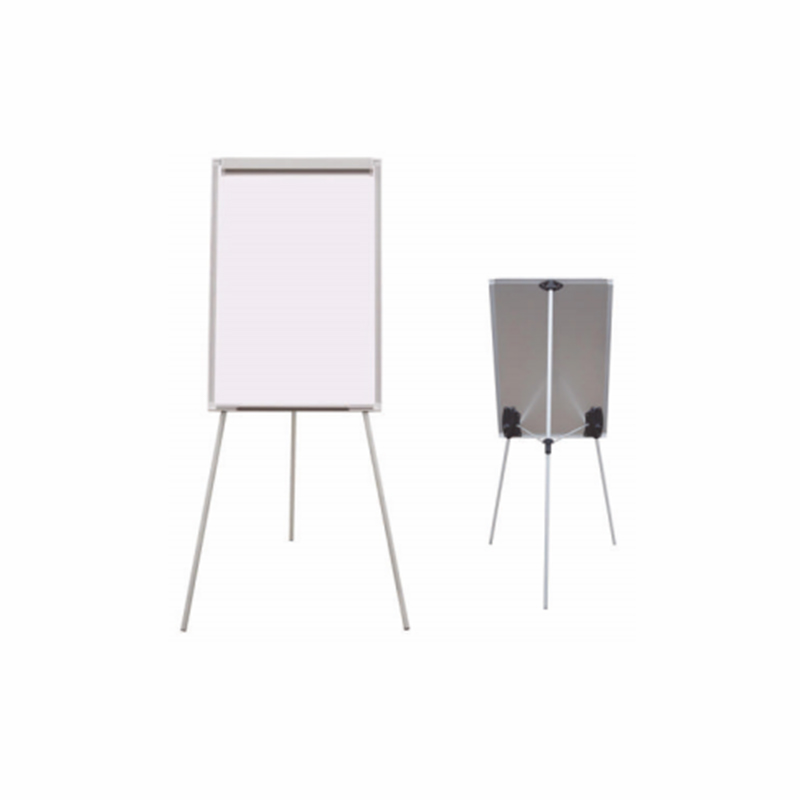
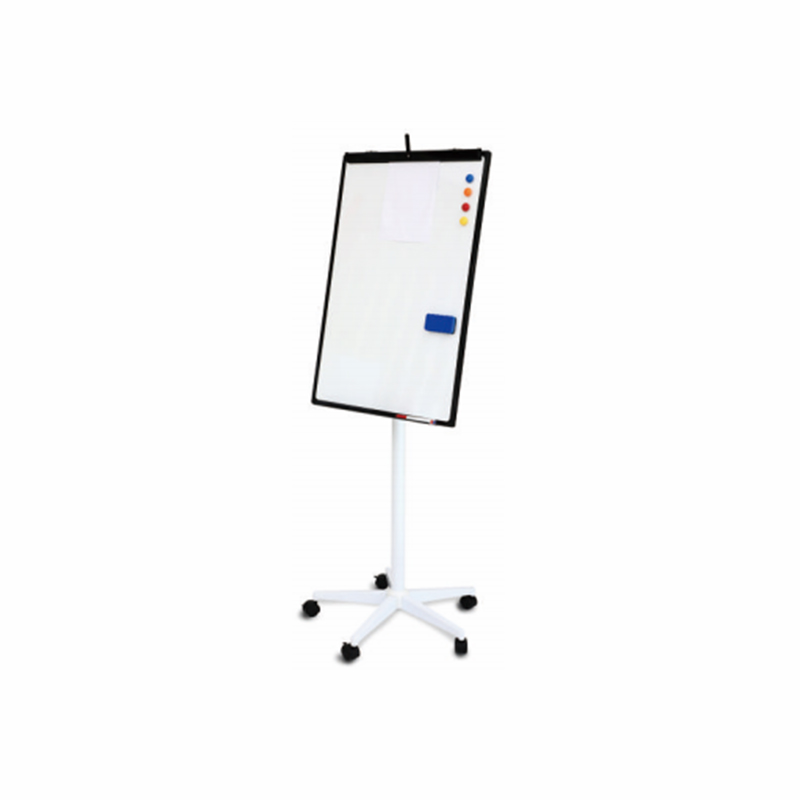
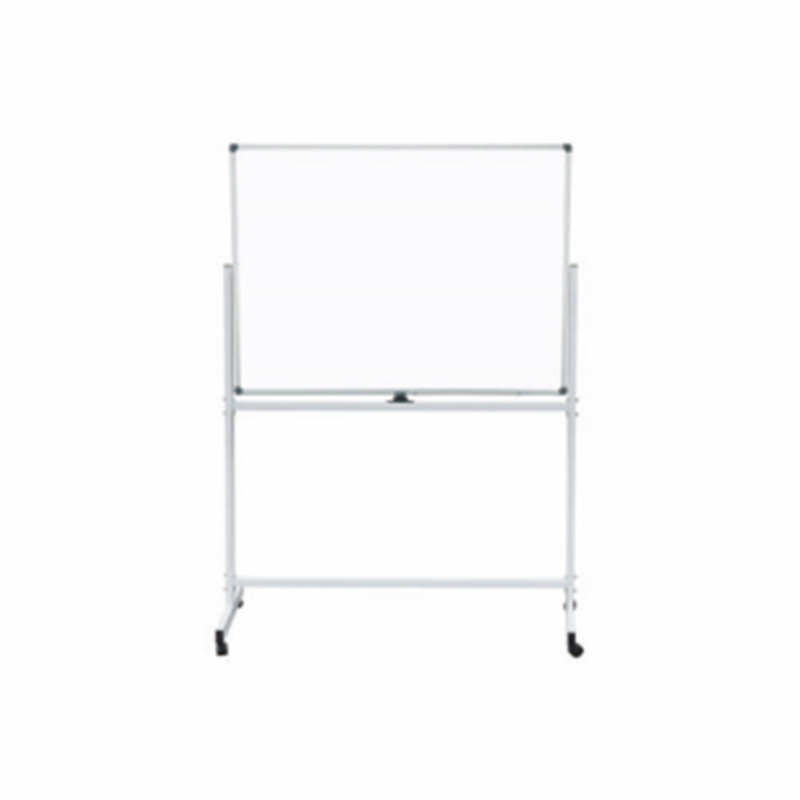
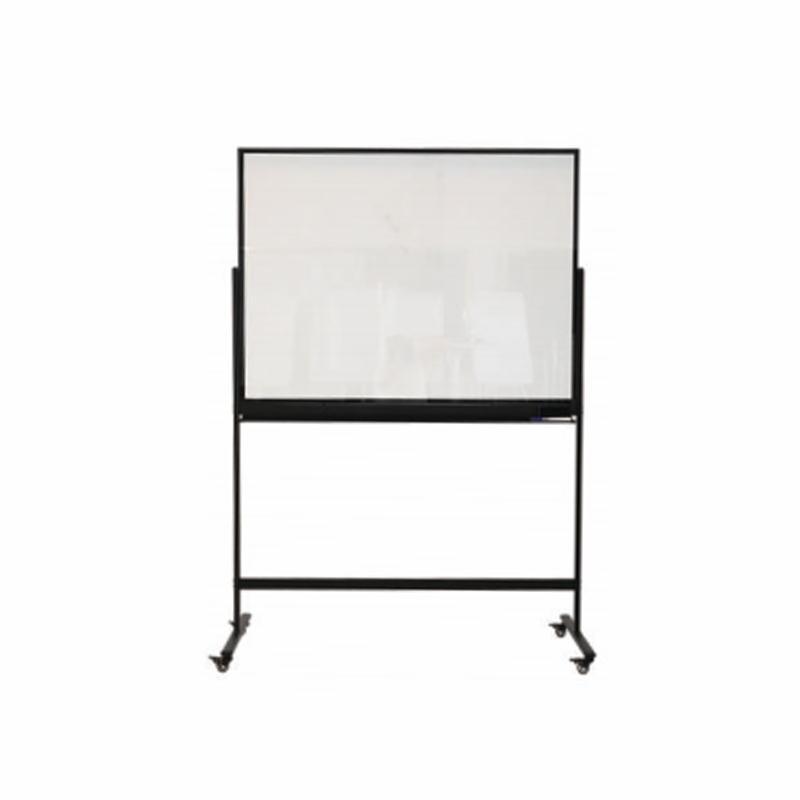
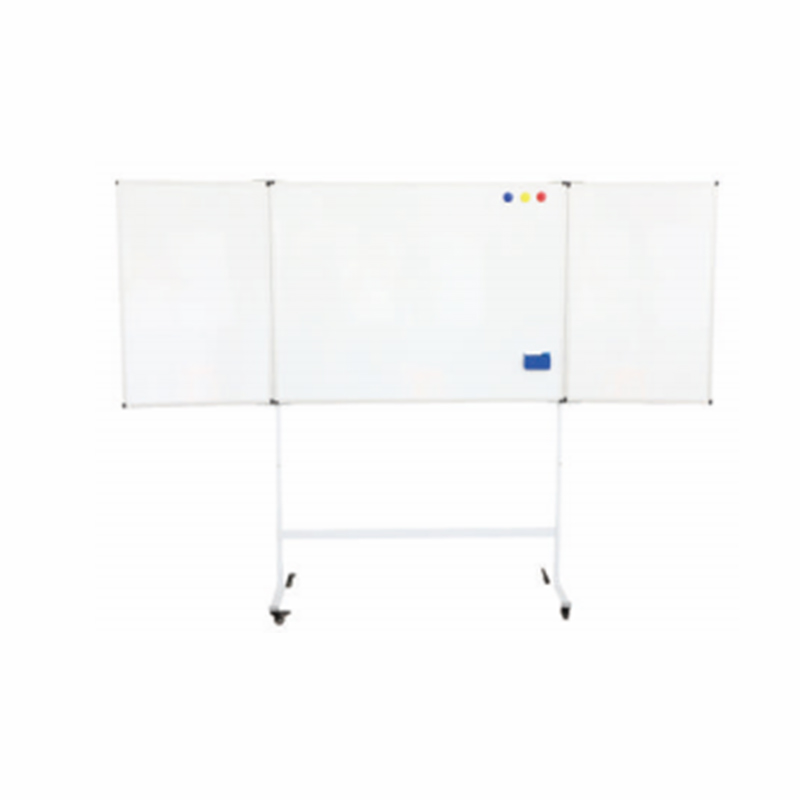
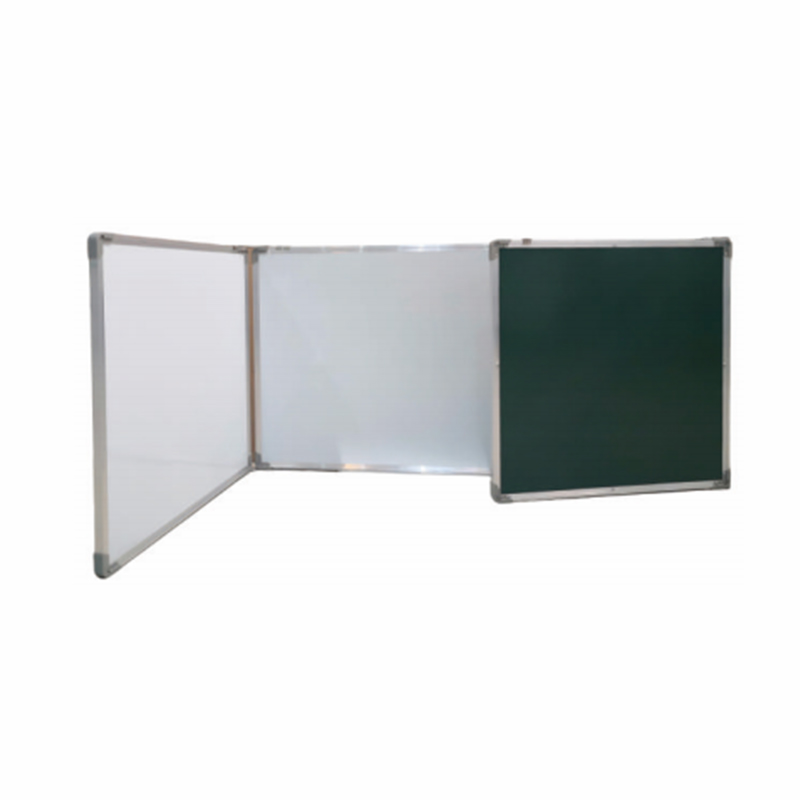
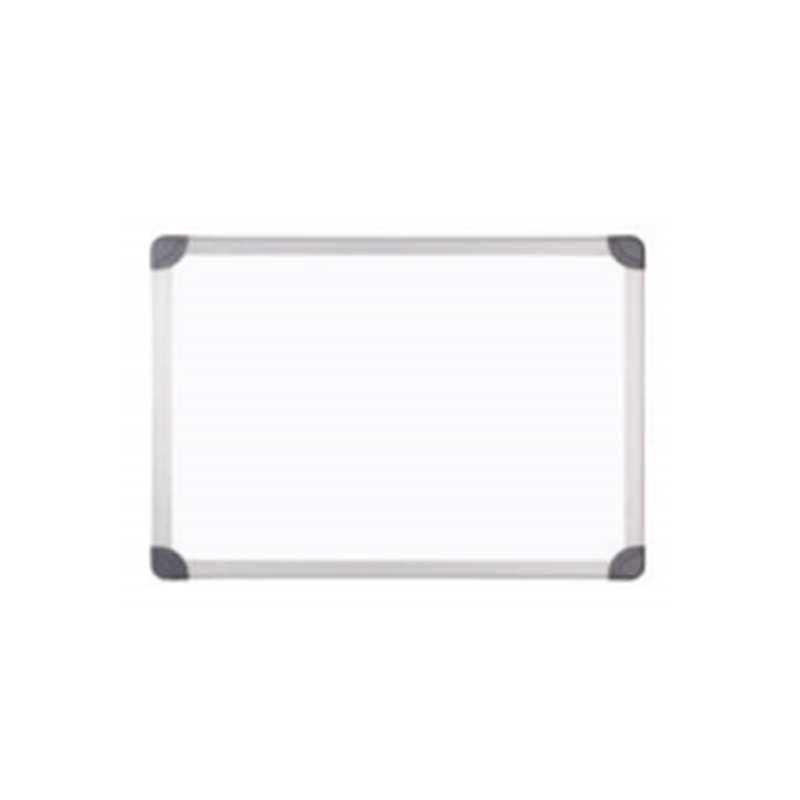
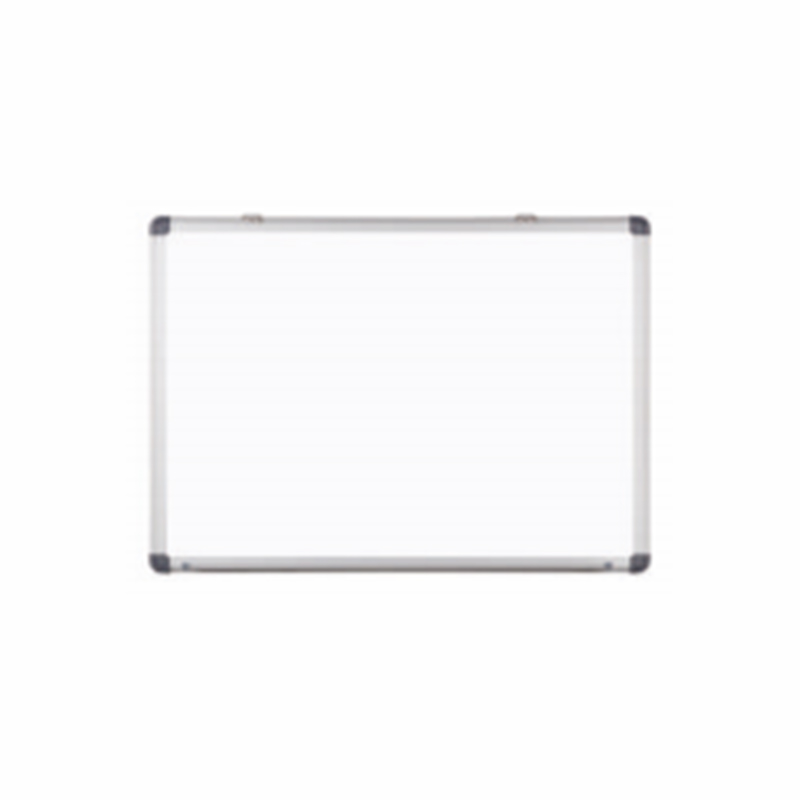
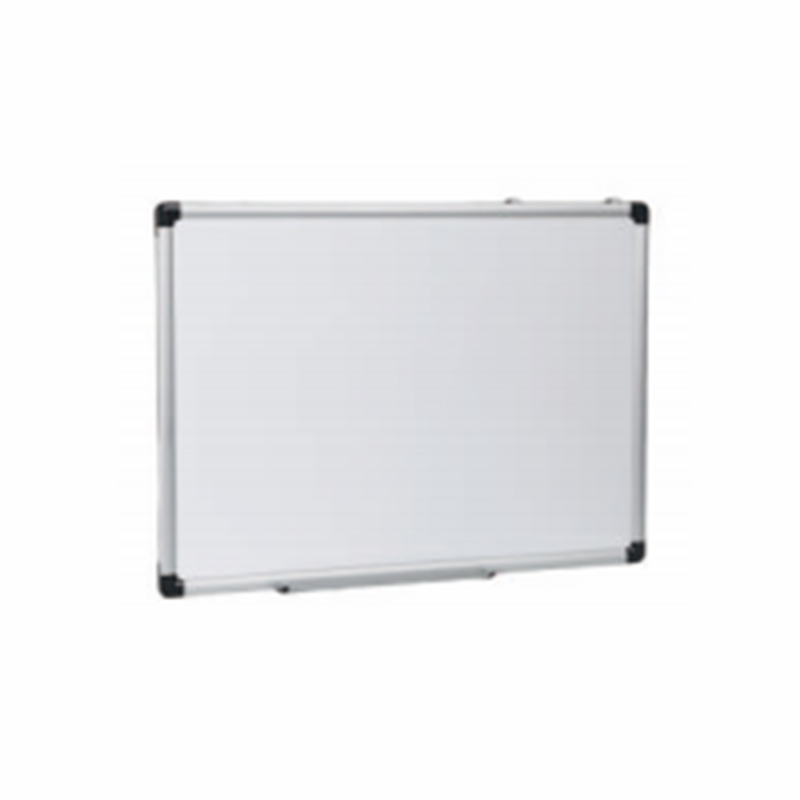
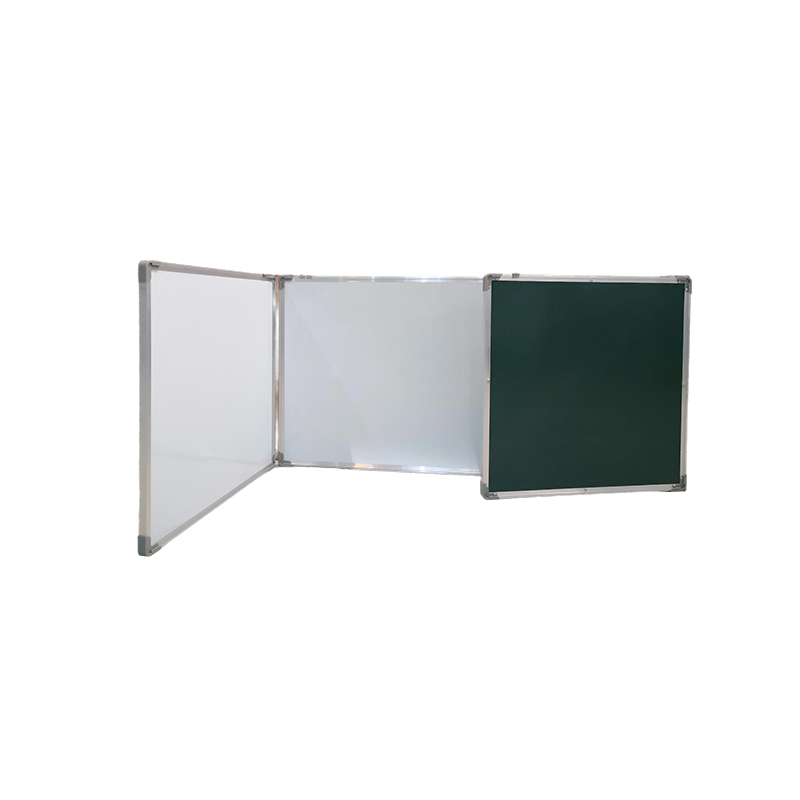
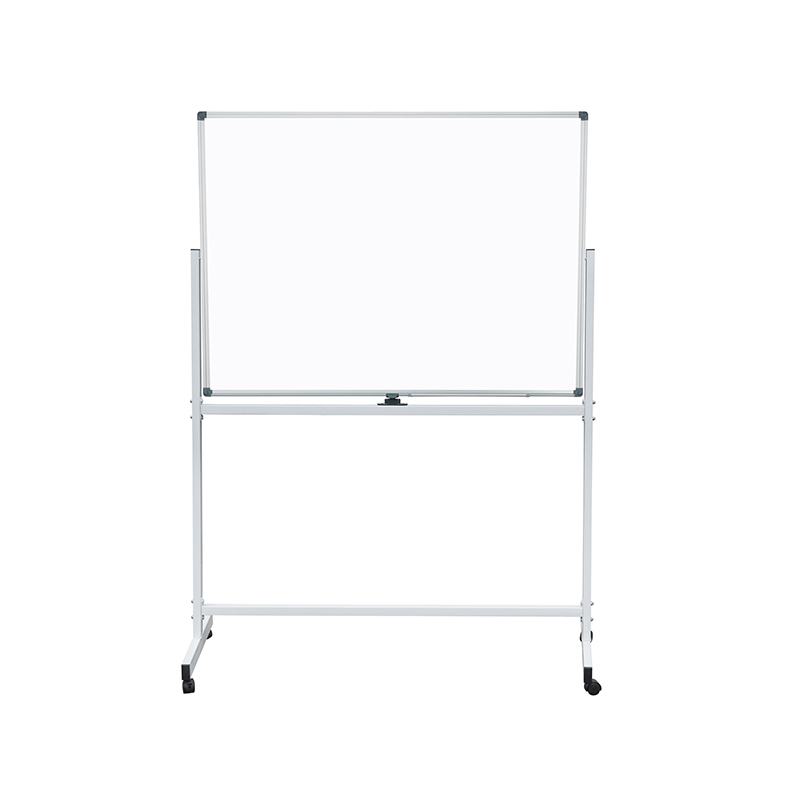
Writing Blackboard is a reusable writing surface developed for writing, drawing, planning, and presentation tasks. With a smooth and easy-to-clean surface, it serves as a practical tool in educational, professional, and domestic settings.
Product Advantages
Reusability:The board supports repeated use without loss of writing clarity.It reduces the need for disposable paper products.
Low Maintenance:The surface can be cleaned quickly with a cloth or eraser.Suitable for both chalk and liquid chalk markers.
Stable Design:The board is built with solid backing to prevent warping.It stays securely mounted when fixed to a wall or stand.
Versatile Placement:Suitable for vertical or horizontal installation.Works well in a variety of indoor environments.
Product Features
Smooth Writing Surface:Enables clear, consistent writing or drawing.Reduces chalk dust for a cleaner workspace.
Modern Aesthetic:Designed with a clean, minimalist appearance.Complements home, classroom, or office décor.
Multiple Sizes Available:Comes in various dimensions to suit different space needs.Offers flexibility for personal or shared use.
Lightweight Material:Easy to handle during installation or relocation.Does not require complex tools to mount.
Product Uses
Educational Settings:Useful for teachers during lessons or student participation.Helps with visual learning, problem-solving, and brainstorming.
Office Environments:Supports planning sessions, team discussions, and presentations.Can be used for schedules, targets, or idea mapping.
Home Use:Functions as a family planner, message board, or learning tool for children.Encourages creativity and organization in home routines.
Studio or Workshop Applications:Suitable for sketching concepts or tracking progress.Helps with planning tasks or capturing spontaneous ideas.
The Purpose of File Cabinets in Daily Operations File cabinets provide structured storage for paper records, folders, and related ...
View MoreAnyone who's sat through a school day knows the student desk and chair are basically where everything happens. You read there, wri...
View MoreWhat makes a laboratory stool different from a regular stool At first glance, a laboratory stool may look like any tall stool you ...
View MoreThermosetting Chair Deformation Resistance Seeing Noticeable Gains One area where thermosetting chairs have improved is their abil...
View MoreLaboratory Table Customized Services Becoming the Mainstream Market Direction Labs rarely work the same way twice. One room might ...
View MoreChalk boards serve as central points for instruction, enabling teachers and instructors to present lessons clearly and effectively. While their materials and methods differ, both chalk boards and white boards provide essential support in classrooms, training rooms, meeting spaces, and educational institutions.
A chalk board, also known as a blackboard, is a smooth, dark surface on which chalk is used to write and draw. Chalk boards have been a traditional element in classrooms for decades due to their durability and simplicity.
Chalk boards are typically made from slate, tempered glass, or specially coated boards that can withstand repeated writing and erasing. This makes them suitable for long-term classroom use.
The matte surface reduces glare from overhead lighting, allowing students to read the content clearly from different angles.
Chalk boards are available in various sizes to suit classrooms of different dimensions. Larger boards accommodate more content and are ideal for lecture halls or science labs.
Chalk boards can be mounted on walls, fixed to stands, or integrated into classroom furniture. Some models are adjustable to fit various teaching environments.
Chalk boards provide a reusable writing surface. Information can be easily written, modified, or erased during teaching sessions.
Applications of Chalk Boards
A white board, sometimes called a dry-erase board, is a smooth, glossy surface on which special markers are used. White boards have become a standard tool in modern classrooms and offices due to their ease of use and compatibility with multiple media formats.
White boards are typically made from painted steel, melamine, or tempered glass. The smooth surface allows markers to glide easily, providing clean and precise writing.
White boards are designed for use with dry-erase markers. The ink can be removed without leaving permanent marks, making the board reusable for multiple lessons or presentations.
Some white boards have magnetic surfaces, allowing instructors to attach documents, charts, or visual aids using magnets. This feature enhances interactive teaching methods.
White boards often come with aluminum or wooden frames. They can be wall-mounted, fixed to stands, or integrated into mobile units for flexible classroom layouts.
Dry-erase boards offer the ability to write, erase, and rewrite content quickly, supporting dynamic teaching methods and group activities.
While both boards serve instructional purposes, there are differences in materials, maintenance, and applications.
| Feature | Chalk Board | White Board |
| Surface Material | Slate, tempered glass, coated board | Painted steel, melamine, glass |
| Writing Tool | Chalk | Dry-erase marker |
| Erasing Method | Felt eraser or cloth | Dry cloth, eraser, or cleaning solution |
| Maintenance | Dust from chalk requires cleaning | Markers require occasional surface cleaning |
| Visibility | Good contrast with dark surface | Bright contrast with white surface, multiple colors available |
| Durability | Very durable, long-lasting | Durable, but markers may stain over time |
| Interactivity | Limited to writing/drawing | Supports magnets and attachments on some models |
| Environmental Aspect | Non-toxic, biodegradable chalk | Requires marker disposal management |
Factors to Consider When Choosing a Board
Large classrooms or lecture halls may benefit from wider boards that provide space for more information. Smaller rooms may require compact boards or mobile units.
For traditional lecture-based teaching, chalk boards provide a reliable, long-term solution. For interactive, multimedia, or collaborative activities, white boards offer additional flexibility.
Chalk boards require regular cleaning of chalk dust. White boards need occasional wiping with dry or wet cloths to avoid marker residue. Choosing boards with easy maintenance helps maintain a professional classroom environment.
Chalk boards are generally more cost-effective upfront, while white boards may involve additional expenses for markers and cleaning supplies. However, white boards may provide long-term efficiency in interactive settings.
Both chalk boards and white boards are durable if maintained properly. Boards made from high-quality materials resist scratches, stains, and wear over time.
Many modern classrooms and training centers use a combination of chalk boards and white boards. This approach allows instructors to switch between traditional and interactive methods as needed. For example:
Boards provide a visual reference, helping students follow lessons and retain information.
Lessons can be structured clearly, with key points highlighted or written in sequence.
White boards, especially magnetic versions, enable hands-on activities, group discussions, and visual demonstrations.
Both chalk boards and white boards can be used for language lessons, mathematics, science, or arts, making them versatile for educational institutions.
Instructors can quickly illustrate concepts, correct mistakes, and manage classroom interactions effectively.
Chalk boards and white boards remain essential tools in educational and professional environments. Chalk boards provide a durable, cost-effective solution with a classic appearance, while white boards offer flexibility, interactivity, and modern functionality. Both types of boards support clear communication, organized instruction, and effective learning outcomes. Selecting the appropriate board depends on classroom size, teaching methods, maintenance preferences, and instructional goals.
 China Folding Chalk Board


 русский
 عربى
عربى
 Español