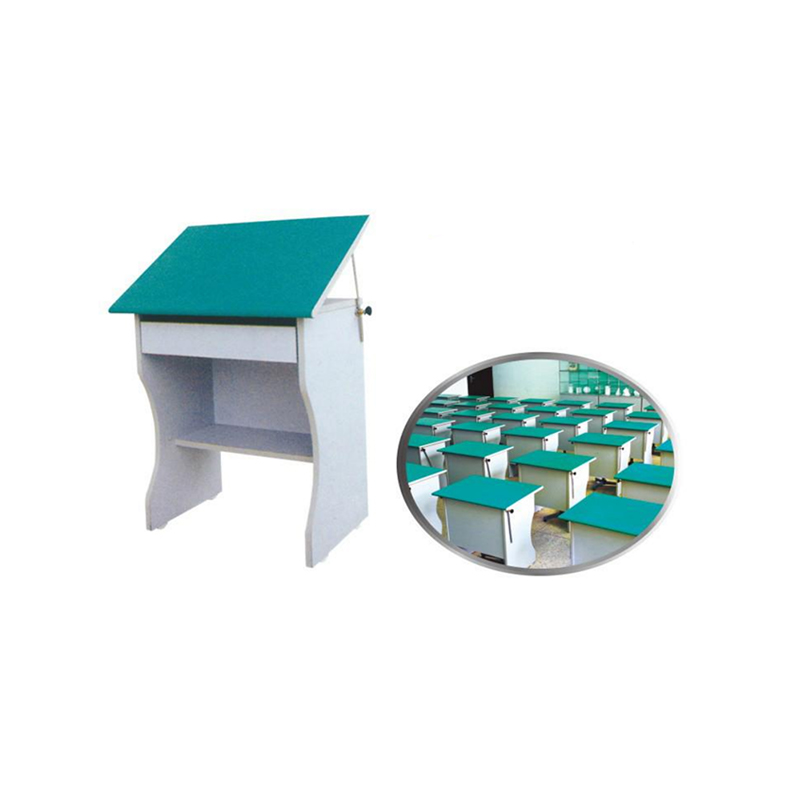
The Drawing Table is a must-have for anyone in the creative field, from budding artists to professional designers. It’s more than just a flat surface; it's a tool that enhances both the artistic process and the workspace experience. To fully appreciate its value, let’s break down its production, service, and features.
Production: Precision and Quality
The production of the Drawing Table reflects an unwavering commitment to precision, quality, and functionality. Crafted from premium materials such as solid wood, steel, or high-grade MDF, the table is designed for durability while maintaining an aesthetically pleasing finish. The surface is treated to provide a smooth and sturdy base for various drawing, sketching, and drafting tasks.
Manufacturers of the Drawing Table use state-of-the-art production techniques, ensuring the design is both practical and stylish. Each table undergoes rigorous quality control checks, guaranteeing that it meets high standards for both performance and visual appeal. The careful selection of materials and construction methods also takes into account sustainability, as eco-friendly production processes are becoming increasingly important in modern manufacturing.
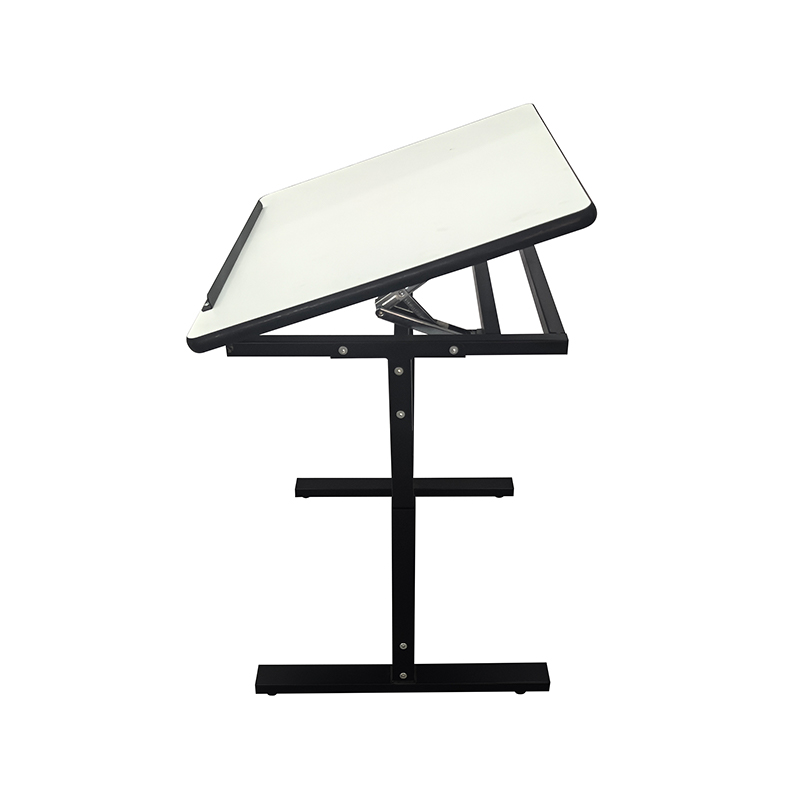
Additionally, many Drawing Tables are designed to be adjustable, allowing users to change the angle of the work surface to suit different tasks or comfort levels. This functionality is achieved through precise engineering and quality hardware, ensuring a smooth transition from one angle to another, without compromising on stability.
Service: Customer-Focused and Supportive
Beyond the physical attributes of the Drawing Table, the customer service experience is equally crucial to its appeal. From the moment a customer begins researching the Drawing Table, they are met with comprehensive support, whether it’s choosing the right model, color, or size, or asking about special features and customization options.
Most companies that offer the Drawing Table prioritize an easy-to-navigate online shopping experience, detailed product descriptions, and responsive customer service teams. For example, if you're unsure about the dimensions, or if you want to know how easy it is to assemble, customer service representatives are available through multiple channels—whether that’s via email, live chat, or even over the phone.
Additionally, many Drawing Tables come with an extended warranty, and the service team is on hand to provide assistance should any issues arise post-purchase. The ability to easily contact the manufacturer for assembly instructions, troubleshooting, or parts replacement ensures a smooth experience throughout the entire ownership process.
Features: Functionality Meets Design
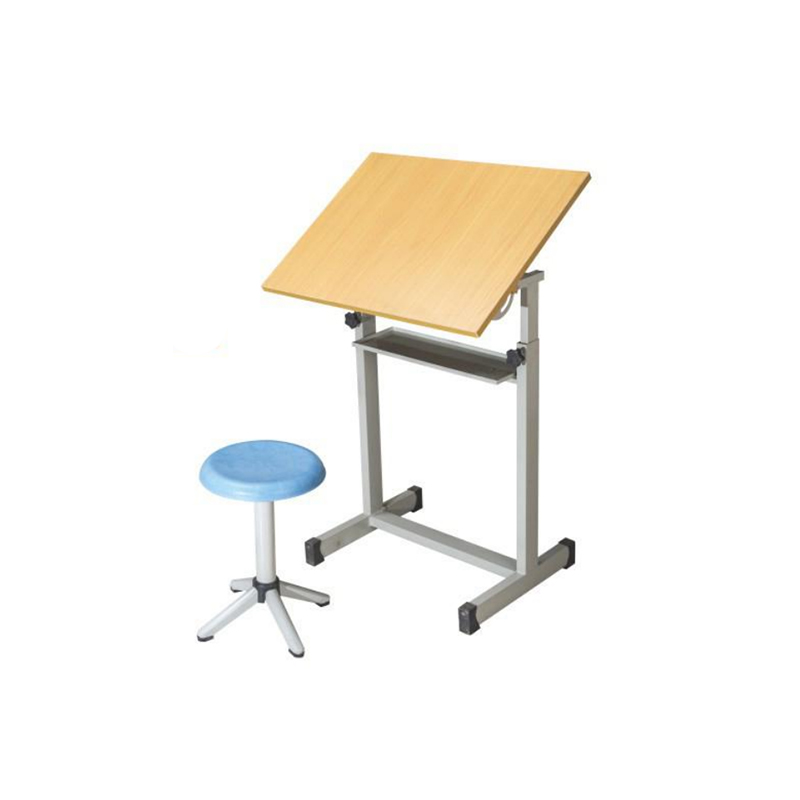
What truly sets the Drawing Table apart from other furniture pieces is its design and features, which combine both form and function. The Drawing Table is engineered to offer maximum comfort and flexibility for creative work. Most models feature an adjustable tabletop that can be tilted to different angles, allowing artists to work in the most ergonomic position, whether they're sitting or standing.
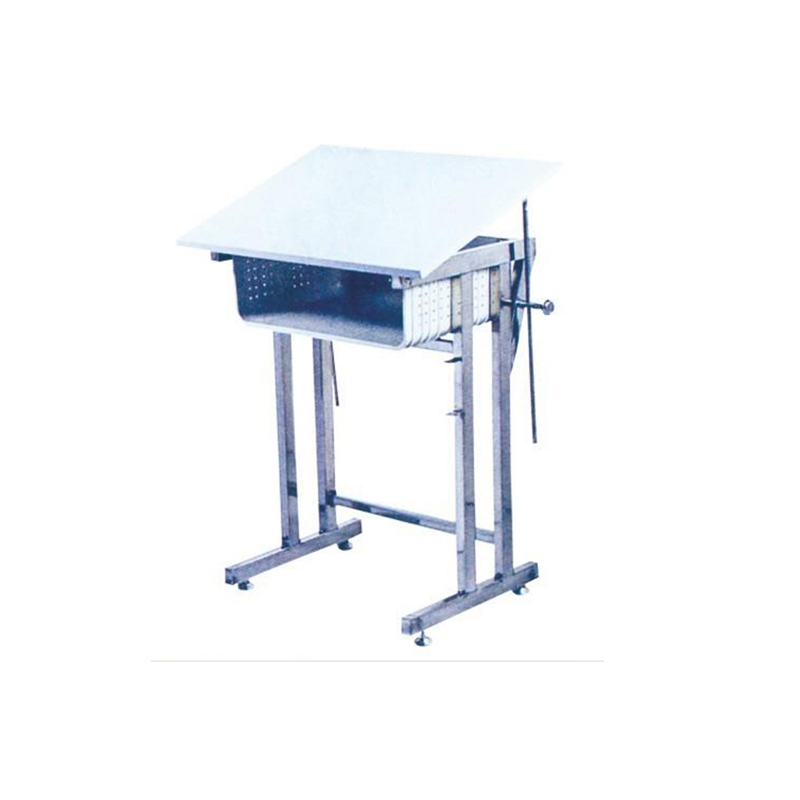
In addition to the adjustable surface, many Drawing Tables include built-in features designed to organize drawing tools and supplies. Drawers, compartments, and side trays help keep everything within reach, making it easier to focus on the work at hand without distractions. These features can be particularly valuable for architects, graphic designers, or any professional who needs a clutter-free workspace.
Moreover, the Drawing Table is often designed with a sleek and minimalist aesthetic, making it a stylish addition to any studio, office, or home environment. Available in various finishes such as wood, glass, or metal, the table can complement a wide range of interior styles, from industrial to contemporary.
The sturdy build of the Drawing Table ensures that it can support heavier materials like large sketchpads, drafting paper, or even electronic devices such as tablets for digital drawing. This flexibility makes it a versatile choice for artists of all mediums, offering both practicality and inspiration.
In conclusion, the Drawing Table is a masterpiece in both design and functionality. Its production ensures high-quality craftsmanship, with an emphasis on durability and environmental responsibility. The service provided by manufacturers is customer-centric, offering full support before and after the purchase. With its adjustable features, ample storage options, and sleek design, the Drawing Table stands out as an essential piece of furniture for anyone involved in the creative arts. It’s a product that goes beyond just being a workspace—it becomes a tool for artistic expression.
Metal cabinets continue to play a useful role in workshops and production facilities where organization matters. These sturdy unit...
View MoreThermosetting Chair Designs Combine Strength With Lightweight Structure A thermosetting chair is built from resin that undergoes a...
View MoreWhat Goes Into a Laboratory Table's Construction Surface material is one of the more consequential choices in a Laboratory Table's...
View MoreThe folding chalk board never really disappeared — it just stopped being the only option. Now that classrooms, home offices, and s...
View MoreThe Purpose of File Cabinets in Daily Operations File cabinets provide structured storage for paper records, folders, and related ...
View MoreA drawing table is an essential piece of furniture for artists, designers, architects, students, and anyone who works with detailed visual tasks. Its adjustable surface, spacious layout, and ergonomic features make it a practical choice for sketching, drafting, planning, and creating various types of artwork.
A drawing table, often referred to as a drafting table or art desk, is a workstation with an angled or adjustable top surface that supports precise drawing and design work. Unlike standard desks, drawing tables allow users to tilt the work surface to match their preferred working angle. This feature helps reduce strain on the neck, shoulders, and back during long sessions.
These tables come in various sizes and structures, ranging from compact models for small studios to larger, multifunctional tables for technical drawing and architectural work.
One of the defining characteristics of a drawing table is its ability to tilt. Angle adjustment helps users position their materials comfortably for sketching, drafting, or painting.
A strong base ensures steady support during detailed work. Stability is crucial for straight-line drawing, shading, and precision tasks.
Drawing tables usually offer a wider surface than standard desks, allowing space for large sheets, tools, and creative materials.
Many drawing tables include built-in storage compartments, side drawers, pencil trays, or shelves for organizing tools such as rulers, compasses, pens, paints, and sketchbooks.
Some models allow height adjustments to accommodate sitting or standing work. This supports different working preferences and improves ergonomics.
Common materials include metal frames, wood tops, glass surfaces, or engineered boards. The choice of materials influences appearance, durability, and maintenance requirements.
The adjustable angle helps reduce neck and back strain, making drawing sessions more comfortable and productive.
With a dedicated space for large papers, tools, and accessories, artists can maintain an organized and efficient workflow.
Architects and designers benefit from the stable surface and adjustable height, which support accuracy during technical drawing, planning, and layout tasks.
Drawing tables can be used for sketching, drafting, painting, crafting, digital tablet work, or mixed-media projects.
These tables add a polished look to studios, classrooms, offices, and workshops, helping create a focused and inspiring environment.
| Feature | Drawing Table | Standard Desk |
| Work Surface Angle | Adjustable for ergonomic use | Flat, fixed surface |
| Ideal Use | Drawing, drafting, design work | Writing, typing, general tasks |
| Storage Options | Often includes trays and drawers for tools | Usually standard drawers or shelves |
| Workspace Size | Often wider to fit large sheets | Moderate workspace |
| Ergonomics | Supports angled positioning | Not optimized for drawing posture |
| User Type | Artists, students, architects | General office workers |
These tables offer flexible work angles and height adjustments. They are commonly used in technical drawing fields and art studios.
A portable option for students and hobbyists. They provide a tilting surface that can be placed on top of any desk.
These models combine standard desk elements with drawing features such as storage drawers, glass tops, or side trays.
Large tables designed for professional artists or architectural work. They often include advanced adjustment mechanisms and reinforced frames.
Educational institutions use sturdy tables designed to withstand frequent use. They usually feature large work surfaces and simple adjustment systems.
Before selecting a table, it is important to assess available space. Larger studio tables are ideal for full-size drawings, while compact models suit smaller rooms.
Different materials offer different benefits:
Wood provides a warm, classic appearance.
Metal frames deliver stability and long-term strength.
Glass surfaces support modern aesthetics and easy cleaning.
Users working with blueprints, posters, or large format papers may need a wider top surface.
If the table is used for various tasks—such as painting, drafting, or writing—adjustability is important. Angle adjustments support drawing accuracy and comfort.
Tables with drawers, trays, or side compartments help keep tools organized and accessible.
If the table will be used daily, a sturdy frame and durable materials are essential. For occasional use, a lighter or portable model may be sufficient.
Artists use drawing tables for sketching, mixed-media work, and planning creative projects. The tilt feature supports precise hand movements.
Professionals rely on drafting tables for technical drawings, layouts, and blueprint review.
Art classrooms and design programs benefit from durable, easy-to-maintain tables suited for group instruction.
Hobbyists use drawing tables for model-making, crafting, lettering, and other detailed activities.
A drawing table creates a dedicated creative corner in a home office or personal workspace.
A well-designed drawing table encourages creative focus. By providing a stable and comfortable environment, users can work for longer periods without discomfort. The customizable angle supports detailed tasks and helps users achieve accurate lines and shading. Additionally, the spacious layout allows for better organization, which can improve workflow efficiency and creative clarity.
A drawing table is a valuable addition to any creative or professional space. With its adjustable surface, stable structure, and ergonomic benefits, it supports a wide range of activities including sketching, drafting, design planning, and illustration.
 Art Drawing Desk Company


 русский
 عربى
عربى
 Español