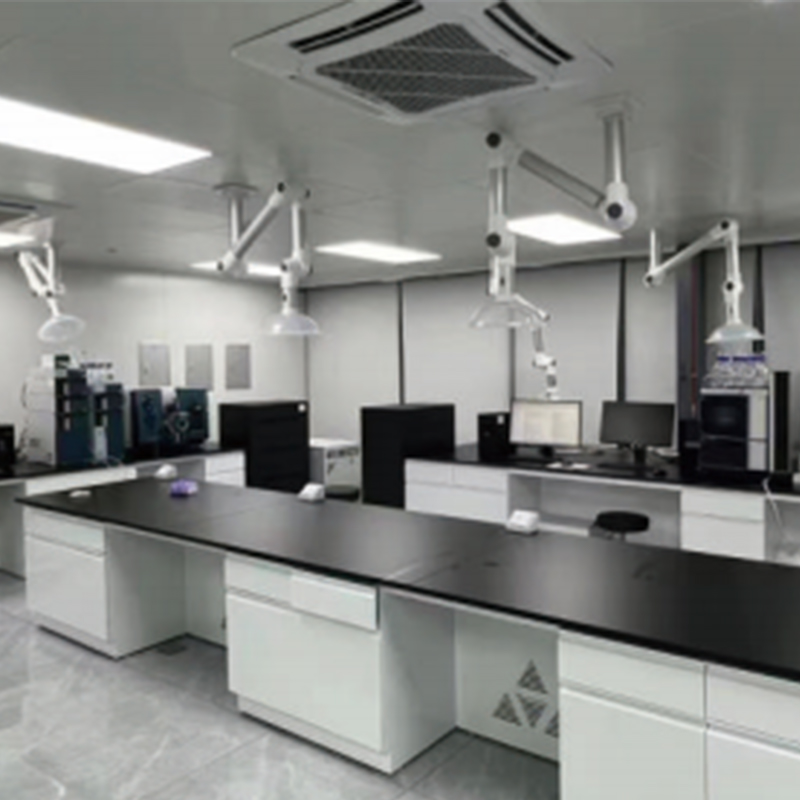
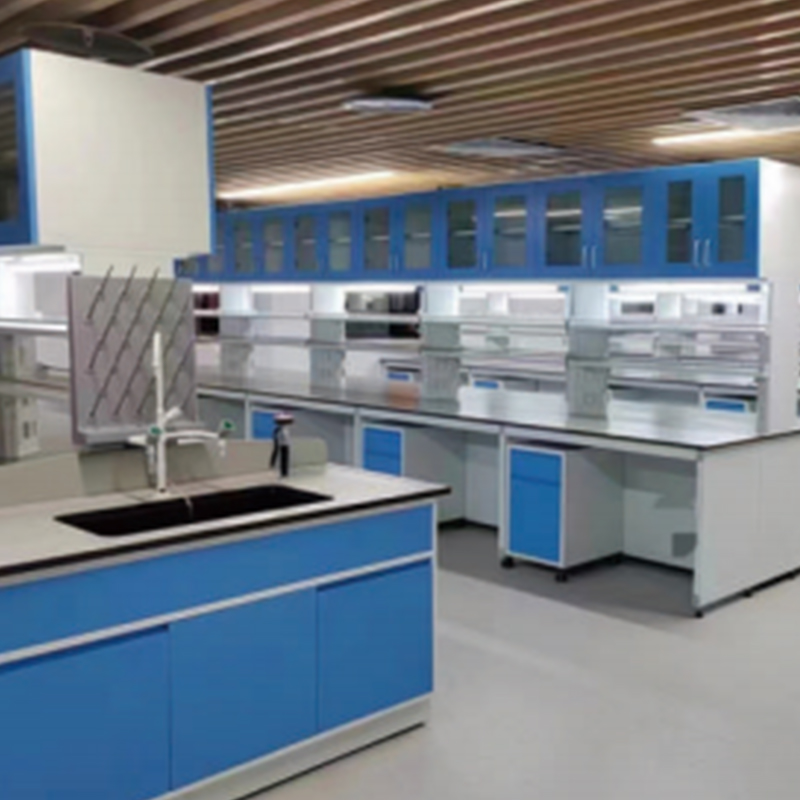
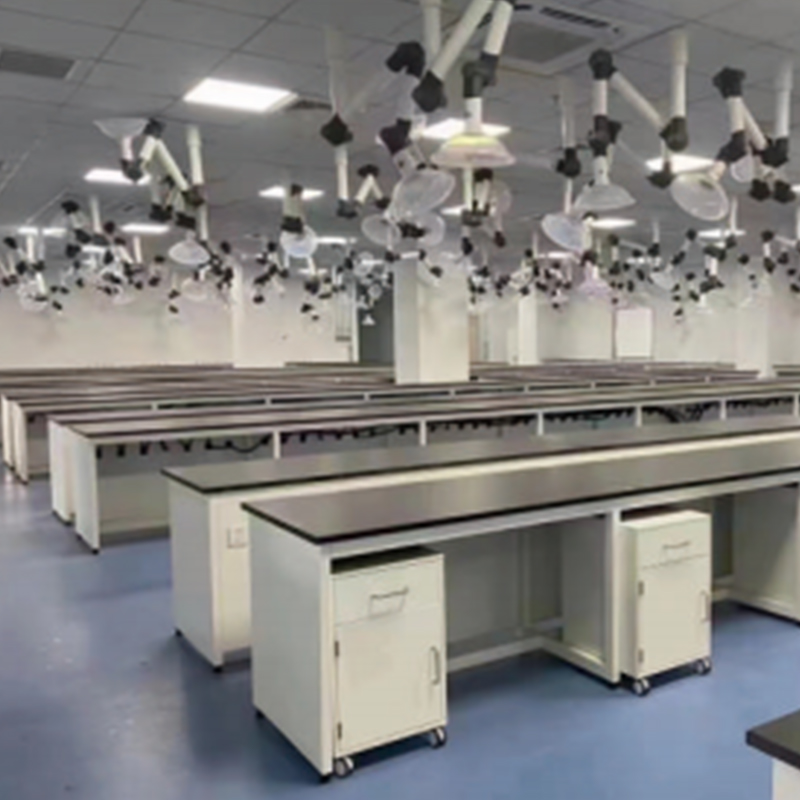
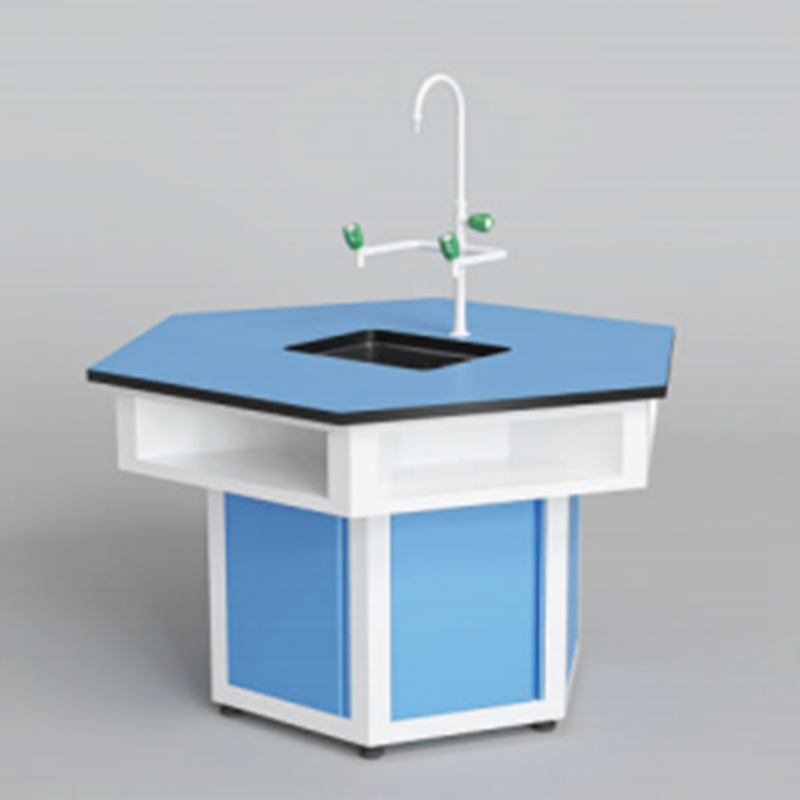
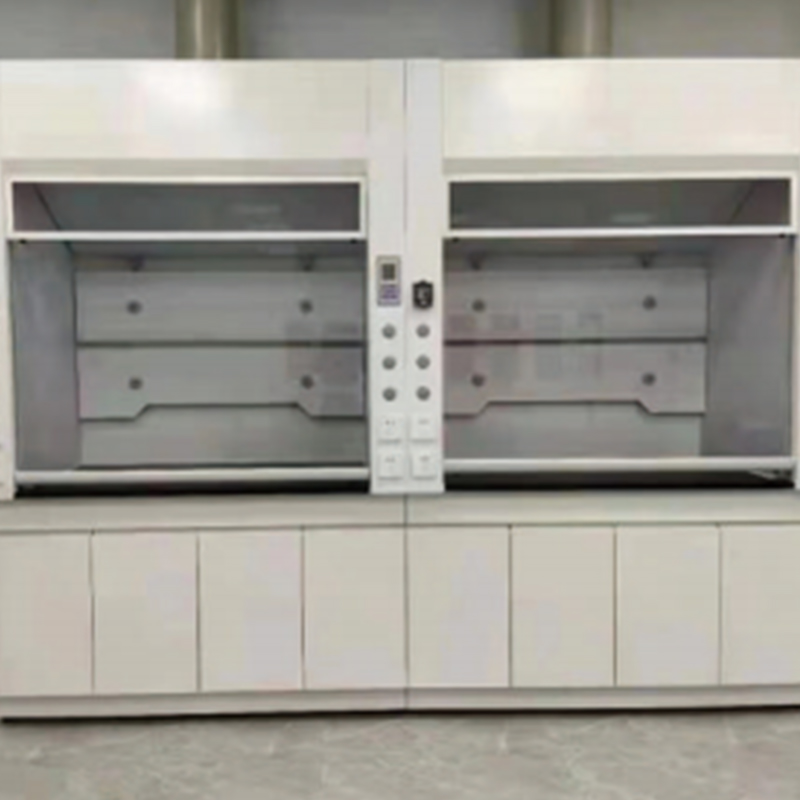
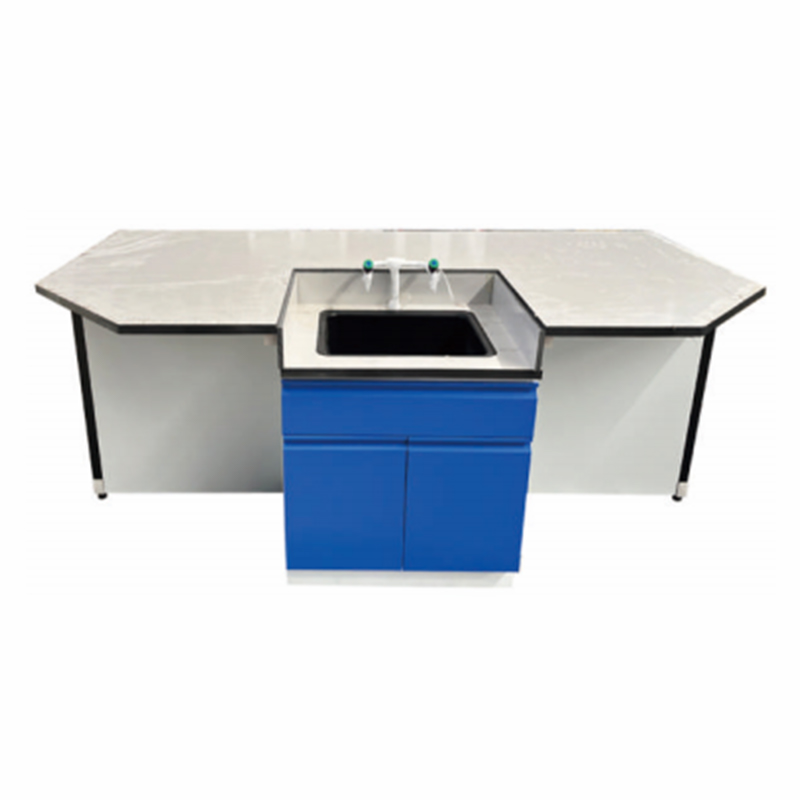
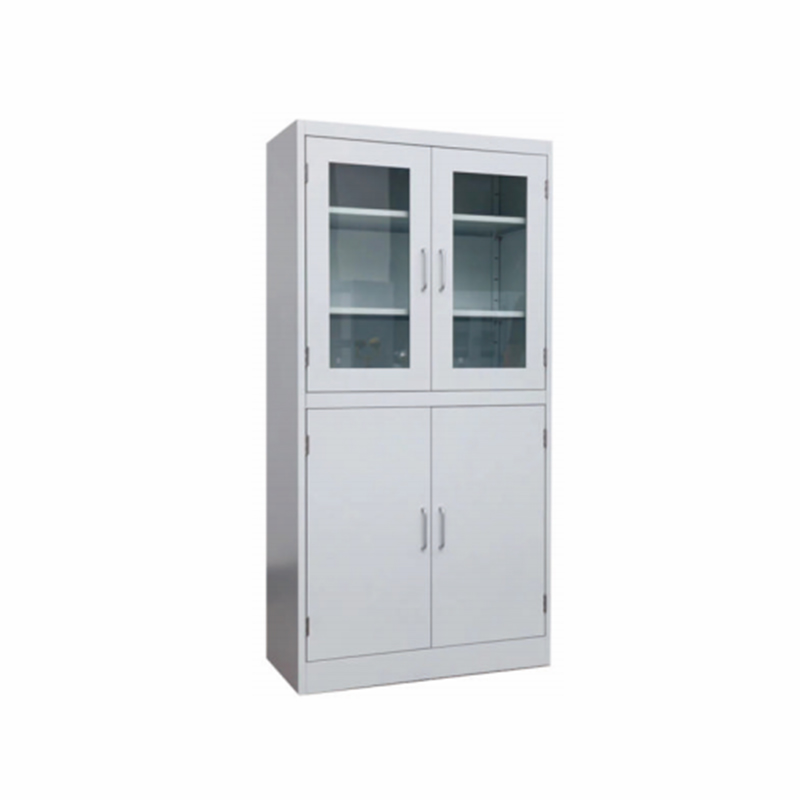
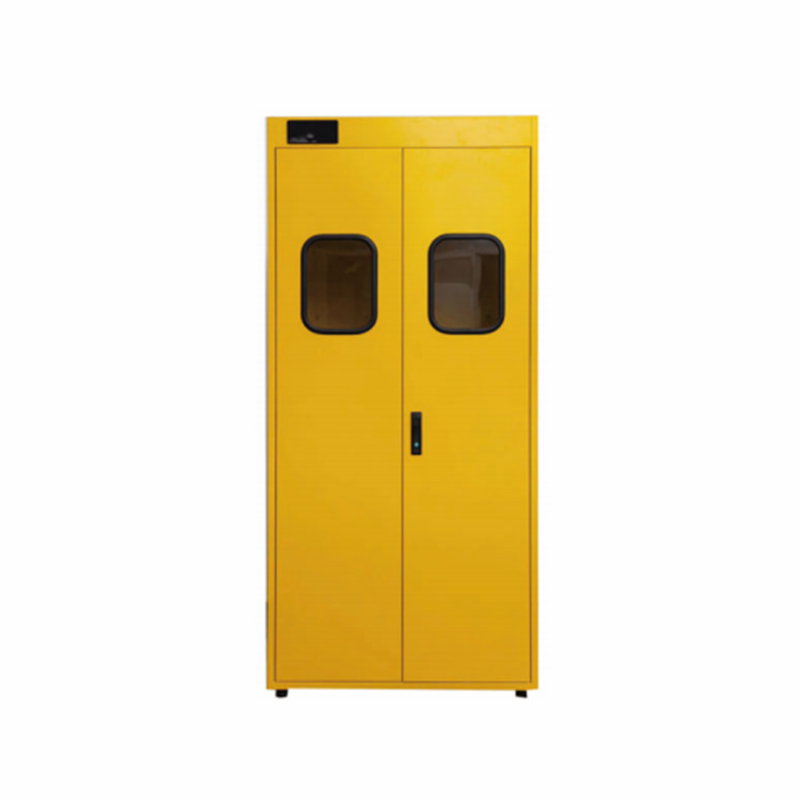
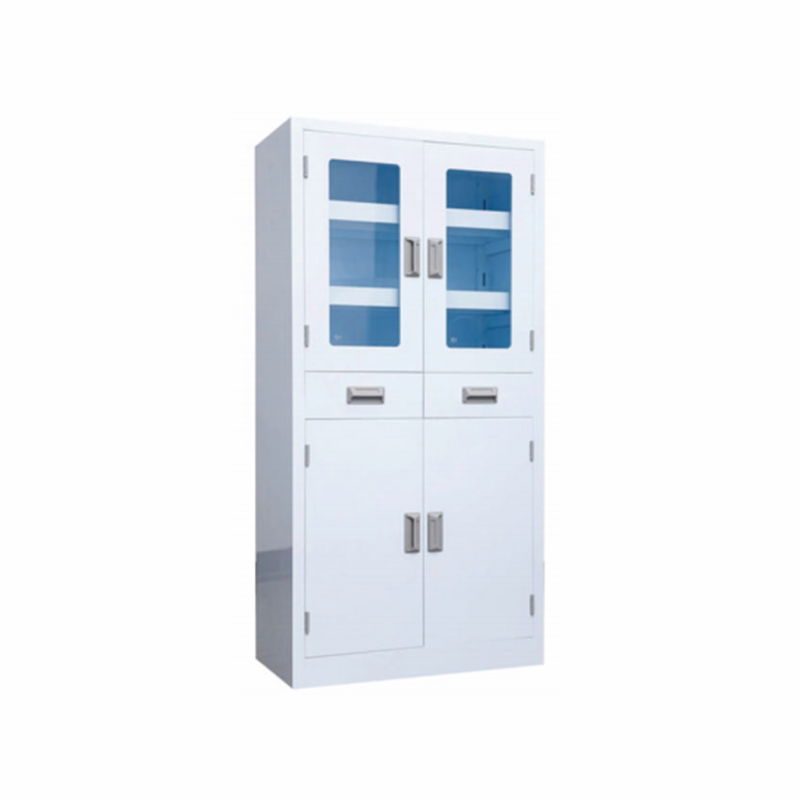
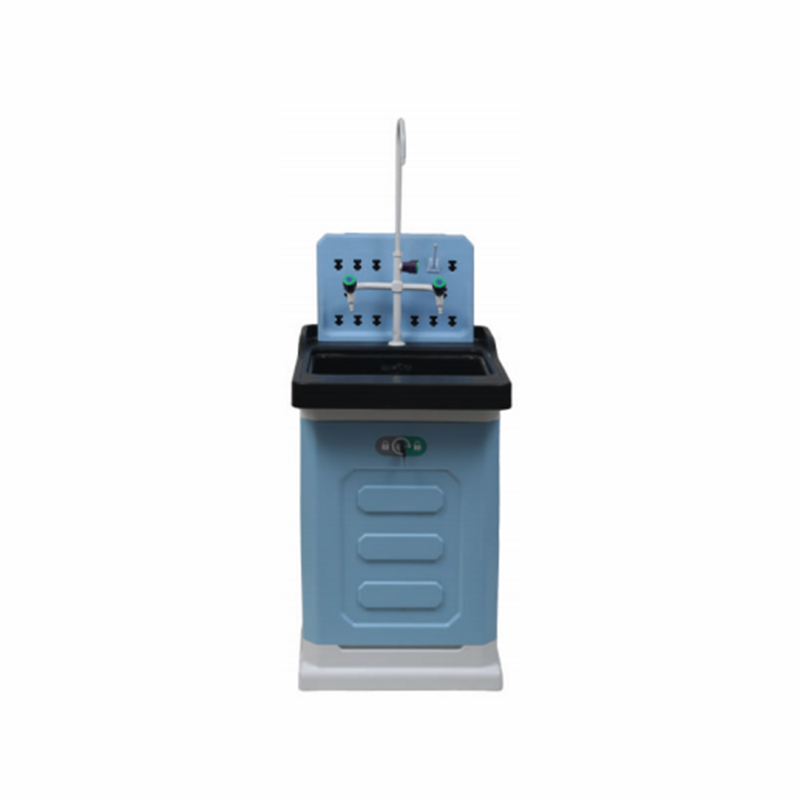
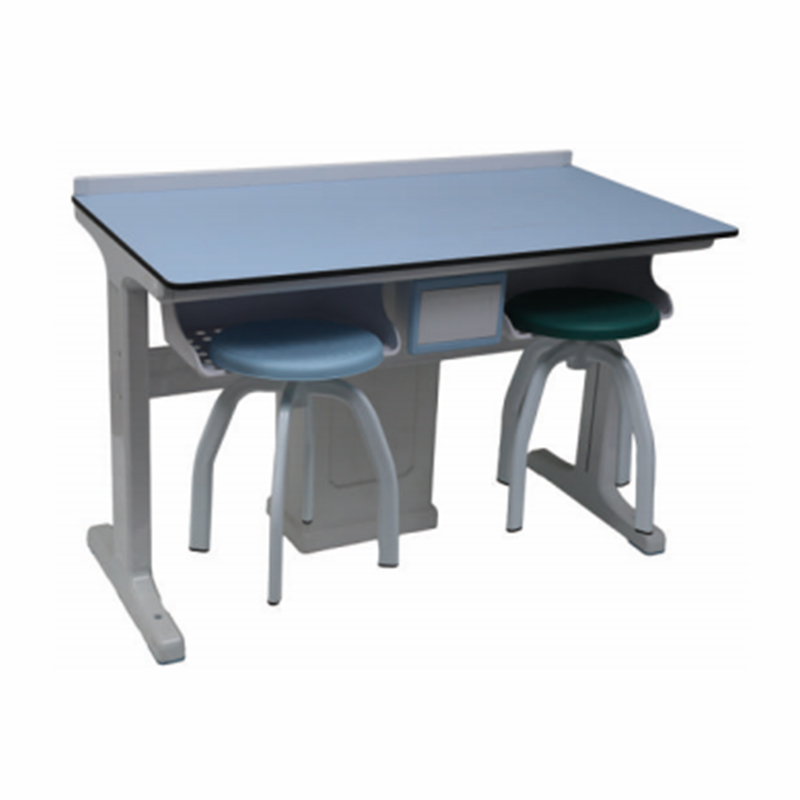
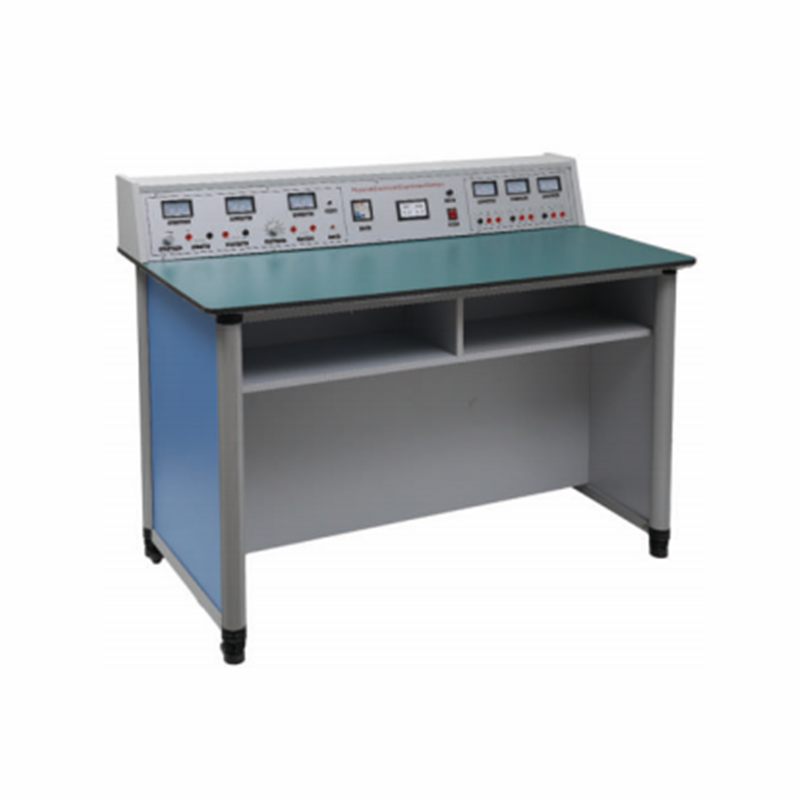
Laboratory equipment tables and cabinets are integral pieces of furniture designed to meet the unique needs of laboratory spaces. These tables and cabinets are built to withstand the demands of scientific work, providing stable surfaces for experiments, research, and various technical procedures. Constructed with durable materials, they help organize tools, chemicals, and other essential items while contributing to the overall efficiency and safety of laboratory operations. Whether used in educational labs, research facilities, or industrial settings, laboratory tables and cabinets provide a practical solution for any lab's requirements.
Product Advantages
Durability and Stability
Laboratory equipment tables and cabinets are designed to be durable and long-lasting. Made from robust materials such as stainless steel, heavy-duty wood, or chemical-resistant laminate, they are built to endure the daily demands of a laboratory environment. The stability of these tables ensures that heavy equipment, microscopes, and lab instruments remain secure during use, reducing the risk of accidents or equipment malfunctions. Whether handling delicate experiments or robust testing procedures, these tables and cabinets provide a reliable foundation for various tasks.
Maximized Organization and Storage
These pieces of furniture offer multiple drawers, shelves, and compartments that help keep lab tools, chemicals, and personal protective equipment (PPE) in order. Proper storage ensures that necessary items are always easily accessible, reducing the time spent searching for equipment and increasing efficiency during research or experiments. Specialized cabinets for chemicals or hazardous materials also promote safety by keeping substances properly stored and separated according to regulations.
Customizable Configurations
Laboratory workspaces often require flexibility to accommodate different types of experiments, equipment, and team sizes. Many laboratory tables and cabinets offer customizable configurations to suit various needs. Adjustable shelving, modular designs, and the option to add or remove components allow users to tailor their lab setups for specific tasks. This versatility ensures that the furniture adapts to different types of work, whether in a chemistry lab, biology lab, or medical research facility, making it an excellent choice for evolving lab environments.
Enhanced Safety Features
Safety is a top priority in laboratory environments, and the design of laboratory equipment tables and cabinets reflects this concern. Many tables and cabinets are equipped with safety features such as lockable cabinets for hazardous materials, fire-resistant surfaces, and splash guards. These features help mitigate risks associated with chemicals, flammable materials, or biological agents. Additionally, the ability to organize tools and materials in dedicated storage spaces helps reduce clutter, minimizing the chances of accidents and ensuring compliance with safety protocols.
Product Features
Chemical-Resistant Surfaces
The surfaces of laboratory tables are often made from chemical-resistant materials that can withstand spills, stains, and the corrosive effects of various chemicals. Laminate, epoxy resin, and stainless steel are commonly used materials that prevent long-term damage from chemicals or liquids commonly found in laboratory environments. This feature ensures the longevity of the furniture, reduces the need for repairs, and contributes to maintaining a clean, safe workspace.
Integrated Utility Systems
Many laboratory tables come with integrated utility systems such as electrical outlets, gas connections, water taps, and data ports. These features allow for easy connection to necessary utilities during experiments and testing procedures. Integrated utilities reduce the need for additional equipment, keeping the workspace uncluttered and organized. This setup is particularly beneficial in labs that require frequent use of power tools, computers, or chemical reactions that require gas or water access.
Corrosion-Resistant Cabinets
Laboratory cabinets are often made with corrosion-resistant materials to ensure their longevity and reliability in harsh conditions. Stainless steel or coated metal is commonly used in the construction of cabinets that are designed to house chemicals, reagents, or lab equipment. These materials not only prevent rust but also resist stains or damage from frequent cleaning, ensuring that the cabinets remain functional and visually appealing over time.
Product Uses
Educational Laboratories
In educational settings, such as high school or university laboratories, laboratory tables and cabinets provide students and teachers with the necessary tools to conduct experiments and research. These tables are ideal for science classrooms where students work with chemicals, biological specimens, or other materials that require stable surfaces and organized storage. The storage features allow for easy access to equipment, while the durability ensures that the furniture can withstand heavy usage by students over time.
Research and Development Labs
In research and development (R&D) labs, where precision and organization are key, laboratory equipment tables and cabinets offer an efficient solution for conducting experiments. The customizable configurations allow researchers to tailor the workspace to their specific needs, whether they are working with advanced instrumentation or handling sensitive materials. The chemical-resistant surfaces and safety features of these tables make them ideal for a variety of scientific disciplines, including chemistry, biology, and physics.
Medical and Pharmaceutical Labs
Laboratory tables and cabinets are essential in medical and pharmaceutical labs, where they are used to store medications, reagents, and sensitive materials. The storage systems in these tables help keep medical supplies organized and secure, while the durable surfaces ensure that the lab can handle the demands of regular cleaning and sterilization. These tables provide a safe environment for medical professionals to perform their work, supporting tasks ranging from testing and analysis to the preparation of pharmaceuticals.
Industrial and Chemical Labs
In industrial and chemical laboratories, where hazardous materials and large equipment are used, laboratory tables and cabinets provide both organization and safety. The lockable storage spaces help securely store chemicals, while the heavy-duty construction ensures that the tables can support large instruments. The ability to organize equipment and materials systematically reduces the risks of accidents, contributing to the safety and efficiency of the industrial or chemical lab.
The folding chalk board never really disappeared — it just stopped being the only option. Now that classrooms, home offices, and s...
View MoreThe Purpose of File Cabinets in Daily Operations File cabinets provide structured storage for paper records, folders, and related ...
View MoreAnyone who's sat through a school day knows the student desk and chair are basically where everything happens. You read there, wri...
View MoreWhat makes a laboratory stool different from a regular stool At first glance, a laboratory stool may look like any tall stool you ...
View MoreThermosetting Chair Deformation Resistance Seeing Noticeable Gains One area where thermosetting chairs have improved is their abil...
View MoreLaboratory furniture plays an important role in maintaining an organized, safe, and functional working environment in educational, research, and industrial laboratories. Among the essential items, laboratory tables, laboratory stools, and metal cabinets provide practical solutions for daily laboratory activities. Each type of furniture has specific features and applications that support efficiency, safety, and long-term usability.
A laboratory table is a central piece of equipment in any lab, providing a stable and spacious work surface for experiments, sample preparation, and other scientific tasks. Unlike standard tables, laboratory tables are designed to withstand chemicals, heat, moisture, and regular use.
A laboratory stool complements laboratory tables by providing comfortable seating for laboratory personnel during experiments or observation. Stools are designed for stability and ergonomic support, especially during long sessions of laboratory work.
A metal cabinet is an essential storage solution in laboratories. It provides secure and organized storage for chemicals, tools, documents, and equipment, helping maintain safety and order in laboratory spaces.
| Feature | Laboratory Table | Laboratory Stool | Metal Cabinet |
| Primary Function | Work surface for experiments | Seating for lab personnel | Storage of equipment and chemicals |
| Material | Epoxy, phenolic resin, stainless steel | Metal frame, vinyl/foam seat | Steel, corrosion-resistant finish |
| Storage | Optional drawers/shelves | Small or none | Adjustable shelves, lockable doors |
| Mobility | Usually fixed | Some swivel/caster options | Fixed, usually stationary |
| Ideal Use | Research, educational, industrial labs | Observation, experimental work | Secure storage of equipment and chemicals |
 Laboratory Stool Manufacturer


 русский
 عربى
عربى
 Español