2025-11-19
Educational institutions and lecture halls are evolving to provide more comfortable and functional environments for students, faculty, and visitors. Among the key furniture elements in these spaces, tiered classroom chairs, auditorium row seating, and university auditorium chairs play a significant role in enhancing the learning experience.
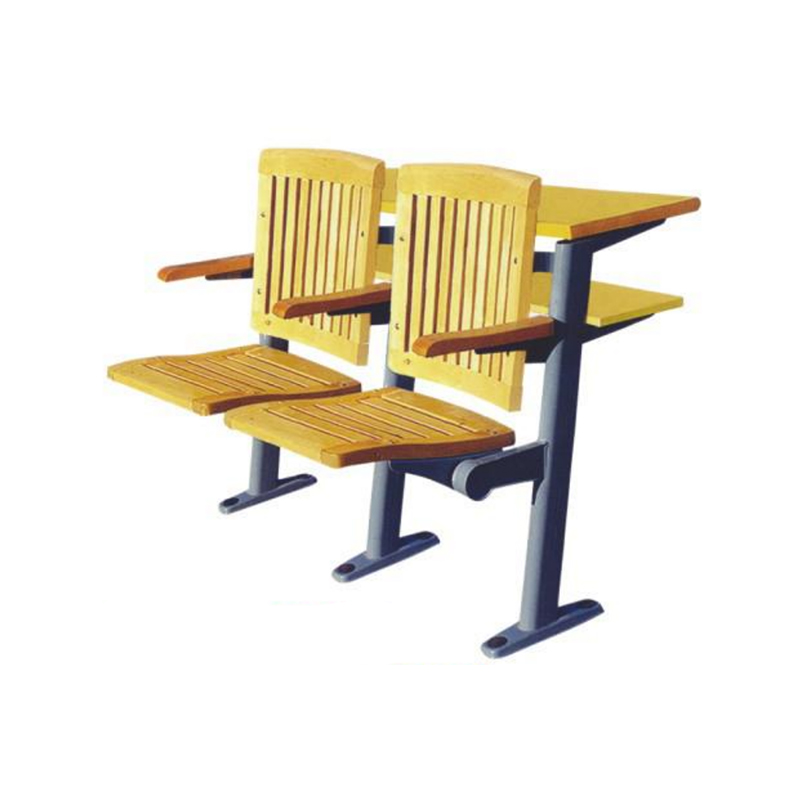
A tiered classroom chair is designed specifically for lecture halls, classrooms, and seminar rooms with elevated or stepped seating arrangements. These chairs are installed on a tiered platform, ensuring that every student has an unobstructed view of the instructor and presentation materials.
Tiered chairs are arranged in ascending rows to optimize sightlines. Each student enjoys a clear view of the front of the classroom or stage, small distractions and enhancing focus.
more tiered classroom chairs feature contoured seats and backrests, supporting proper posture during extended lectures. Padded seating is often included to improve comfort for longer sessions.
Frames are typically made of metal or reinforced wood to ensure long-term stability. Seats and armrests use resilient materials that withstand daily use in busy educational environments.
Some models include foldable writing surfaces, cup holders, or storage compartments beneath the seat. These additions support note-taking, personal items, and small devices.
Auditorium row seating is a standard solution for theaters, conference rooms, and university auditoriums. These seats are arranged in fixed rows to big audience capacity while maintaining comfort and accessibility.
Auditorium row seating is designed for uniform spacing, ensuring every attendee has a clear line of sight to the stage or presentation area. Rows are often staggered to reduce obstructions.
High-density foam padding and ergonomic backrests provide support for long events. Armrests and durable upholstery contribute to a comfortable seating experience.
Frames are constructed with steel or high-quality wood, and seating surfaces use fabric, vinyl, or leather finishes for durability and easy maintenance.
Many auditorium seats include foldable writing tablets or retractable armrests, allowing efficient use of space and easy passage between rows.
University auditorium chairs are designed to combine comfort, durability, and functionality for large lecture halls, auditoriums, and multipurpose spaces. These chairs often blend features from tiered classroom chairs and row seating, catering specifically to higher education needs.
University chairs often feature lumbar support, contoured seats, and padded surfaces. Proper ergonomic design reduces fatigue during long lectures and enhances student focus.
Chairs are suitable for tiered platforms or flat-floor auditoriums, allowing flexibility in room design. Adjustable or modular designs can accommodate renovations or layout changes.
Frames and seats are made from materials designed to withstand frequent use over years. High-quality finishes resist scratches, stains, and general wear.
University chairs may include foldable writing surfaces, personal storage compartments, or cup holders. These features support academic needs and improve student engagement.
Aisle spacing, foldable seats, and non-slip bases enhance safety and accessibility in crowded auditoriums. Compliance with accessibility standards ensures inclusive use.
Tiered and auditorium seating ensures that every student or attendee has a clear view of the instructor, stage, or presentation materials. This visibility supports engagement and reduces distractions.
Properly designed chairs reduce strain on the back, neck, and legs, improving comfort during lectures, seminars, or performances. Comfortable seating encourages attentiveness and participation.
Seating solutions with fixed rows or tiered arrangements allow for organized spaces, safe pathways, and efficient use of floor area. This layout improves movement, emergency access, and overall room functionality.
High-quality materials such as steel frames, reinforced wood, and durable upholstery ensure long-lasting performance. Easy-to-clean surfaces help maintain hygiene and appearance in high-traffic areas.
Modern chairs often integrate writing tablets, storage, or foldable components. This flexibility supports various teaching methods, collaborative sessions, and multimedia presentations.
| Feature | Tiered Classroom Chair | Auditorium Row Seating | University Auditorium Chair |
| Seating Layout | Elevated, stepped rows | Fixed rows | Tiered or flat-floor compatibility |
| Ergonomic Support | Contoured back and seat | Padded seat and back | Ergonomic design with lumbar support |
| Additional Features | Foldable desk, storage | Foldable tablet, armrest | Foldable desk, storage, cup holders |
| Material | Metal/wood frame, durable seat | Steel/wood frame, fabric/vinyl | Reinforced frame, padded seat, durable finish |
| Ideal Use | Lecture halls, classrooms | Auditoriums, theaters, conference rooms | University lecture halls, multipurpose auditoriums |
| Accessibility | Moderate | Moderate | High, compliant with accessibility standards |
Educational Institutions: Tiered classroom chairs and university auditorium chairs are essential for lectures, seminars, and workshops.
Conference Centers: Auditorium row seating accommodates attendees for meetings, presentations, and panel discussions.
Cultural and Performing Arts Spaces: Auditorium seating provides comfortable arrangements for performances, screenings, and public events.
Training Facilities: Tiered chairs support focused learning environments for professional and vocational training sessions.
Modern seating solutions, including tiered classroom chairs, auditorium row seating, and university auditorium chairs, play a vital role in creating functional, comfortable, and efficient learning and presentation spaces. These chairs enhance visibility, support ergonomic posture, and provide additional features such as foldable desks and storage, catering to the diverse needs of students, faculty, and audiences.
Recommended Products


 русский
 عربى
عربى
 Español