2025-11-19
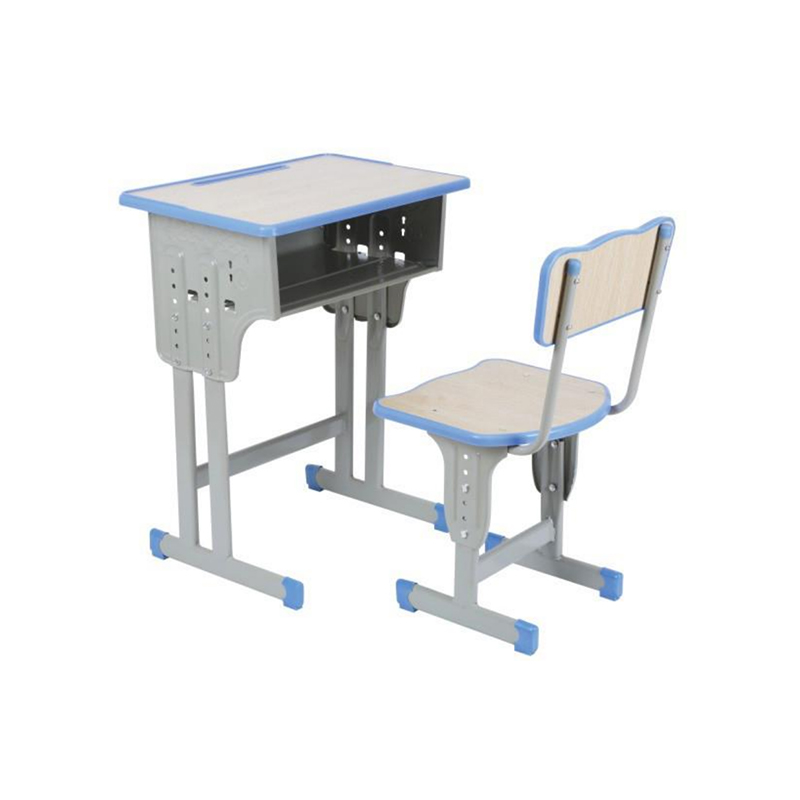
The focus on student well-being and learning efficiency has led to a growing demand for functional and adaptable classroom furniture. One solution gaining attention is the wooden adjustable ergonomic school desk. Designed to provide comfort, support proper posture, and accommodate a wide range of student needs, these desks combine traditional materials with contemporary ergonomic design.
Recent studies on student health and classroom performance highlight the importance of proper posture and seating comfort during learning activities. Poorly designed desks and chairs can pilot to discomfort, fatigue, and distraction, affecting concentration and productivity. As a result, educational institutions are increasingly adopting ergonomic furniture, and wooden adjustable desks have emerged as a preferred choice.
These desks offer an innovative solution, enabling students to adjust the height and tilt of the desktop according to individual needs. The use of natural wood as the primary material adds durability, warmth, and a visually appealing aesthetic to classrooms.
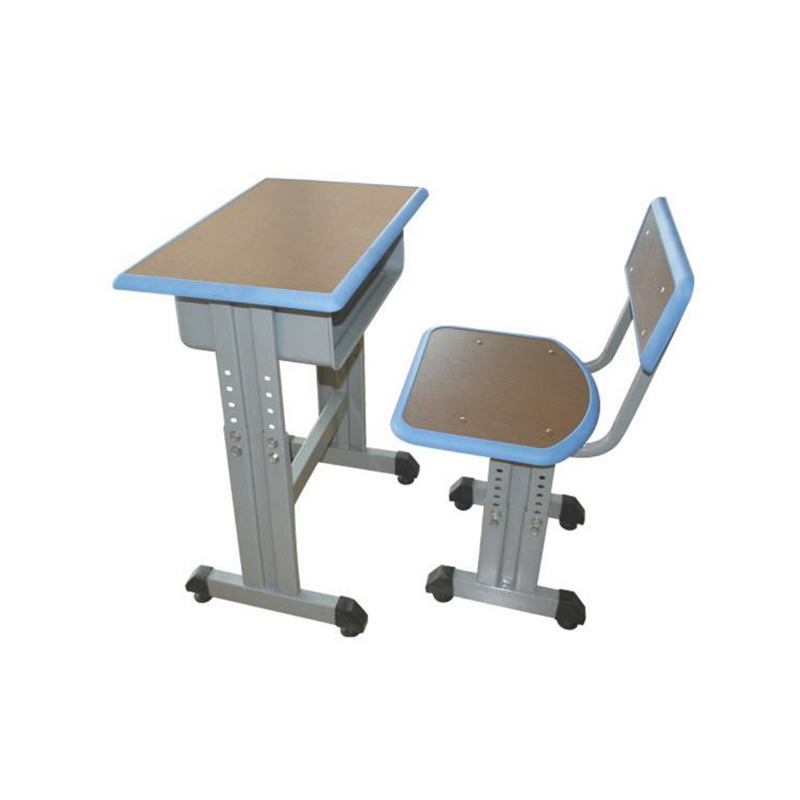
One of the core features of these desks is adjustable height. By allowing students to modify the desk height according to their stature, the desk promotes proper alignment of the spine, reducing the risk of strain or discomfort during long study sessions. Adjustable desks accommodate students across different age groups, making them versatile for primary, secondary, and higher education classrooms.
The ergonomic design of the desk considers the natural posture of students. Features may include a slightly tilted desktop, rounded edges, and supportive contours that reduce pressure on the wrists, arms, and shoulders. Ergonomic desks are particularly helpful in improving concentration and reducing fatigue during extended classroom activities.
The primary material for these desks is solid or engineered wood. Wood offers strength, stability, and a warm, inviting appearance. Coated or laminated surfaces enhance resistance to scratches, stains, and moisture, extending the desk’s lifespan even in high-usage classrooms.
Some models allow the desktop to tilt, supporting writing, reading, and drawing tasks. Adjustable angles can reduce eye and neck strain while improving ergonomics, particularly for activities such as sketching, note-taking, or digital tablet use.
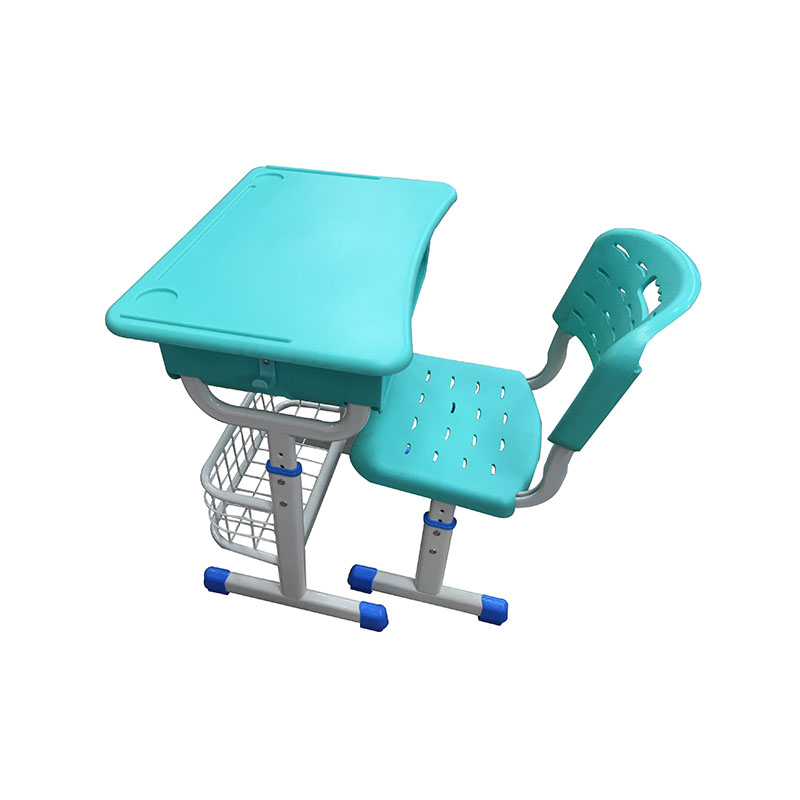
Many ergonomic school desks include built-in storage compartments or drawers. These provide a convenient space for books, stationery, or personal belongings, keeping the learning environment organized and reducing clutter on the classroom floor.
In addition to the wooden desktop, the frame of the desk is typically made from strong materials such as steel or reinforced aluminum. This combination ensures long-term stability while allowing smooth adjustments to height or angle.
By supporting proper spinal alignment and adjustable seating positions, ergonomic desks help students maintain healthy posture throughout the day. Comfortable seating and desk arrangements reduce fatigue, allowing students to focus better on learning tasks.
Height-adjustable desks are ideal for classrooms with students of varying sizes and ages. Schools can use the same furniture across multiple grades, providing a cost-effective solution while ensuring consistent comfort.
Desks that adjust in height and angle can support interactive learning activities, such as group work, reading exercises, or hands-on projects. This flexibility encourages collaboration while keeping students engaged.
Wooden desks with reinforced frames withstand daily classroom use. High-quality materials resist scratches, moisture, and wear, making them a practical investment for educational institutions.
Desks with storage compartments provide dedicated space for books, notebooks, and stationery. This organization helps maintain a clean classroom, reducing distractions and supporting an orderly learning atmosphere.
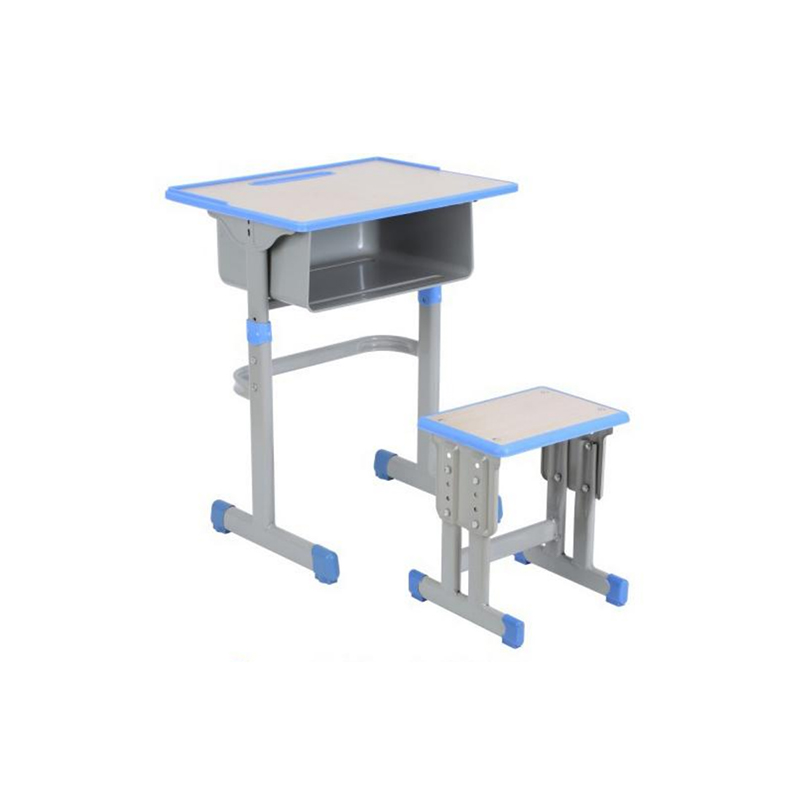
Compact desks designed for individual students. These are ideal for standard classrooms where each student requires a personal workspace.
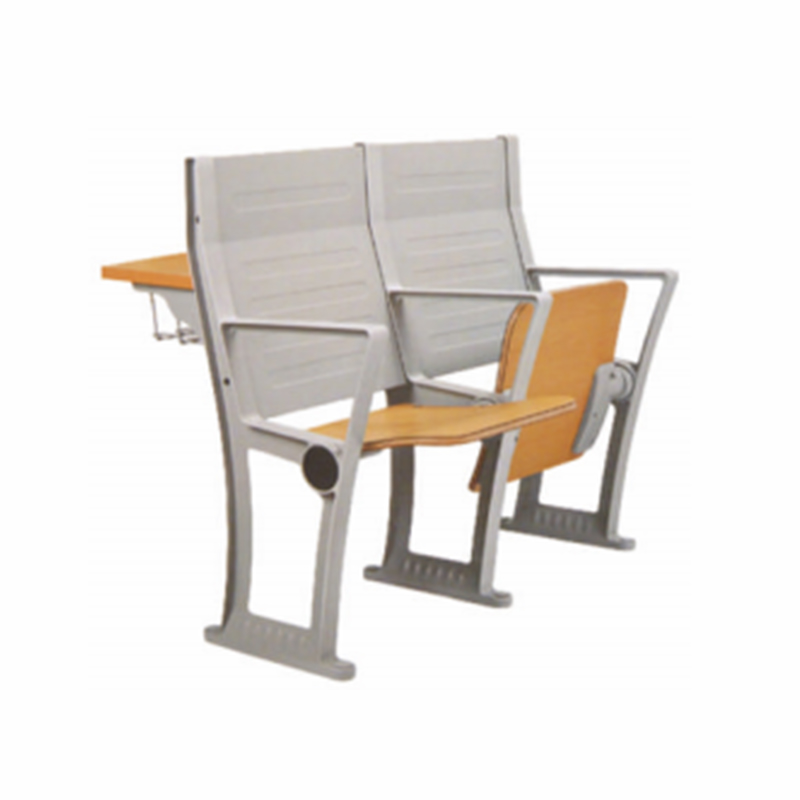
Desks designed to accommodate two students side by side. These models are suitable for classrooms where space is limited but collaborative work is encouraged.
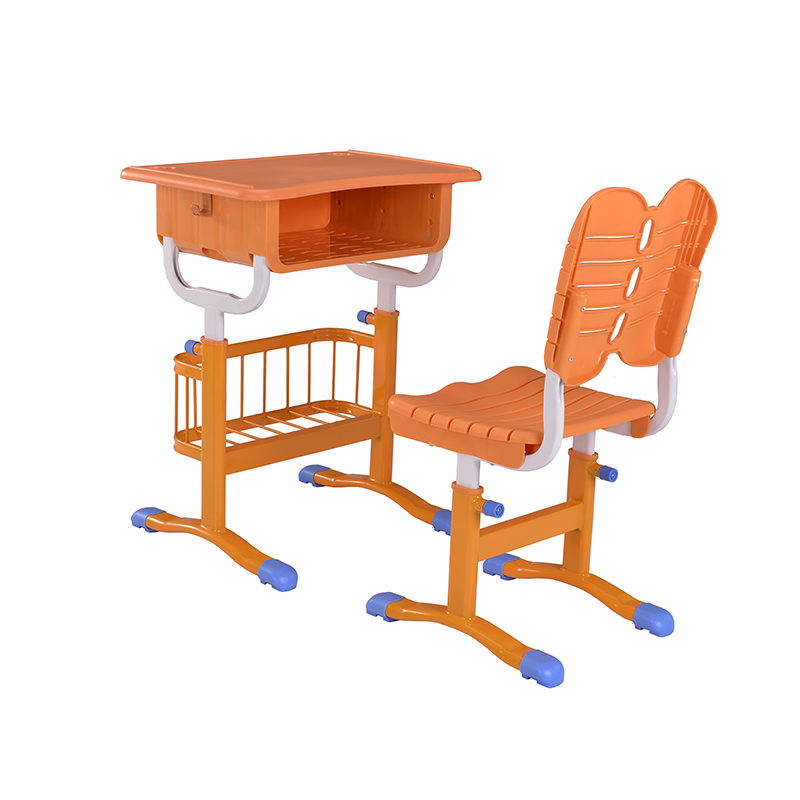
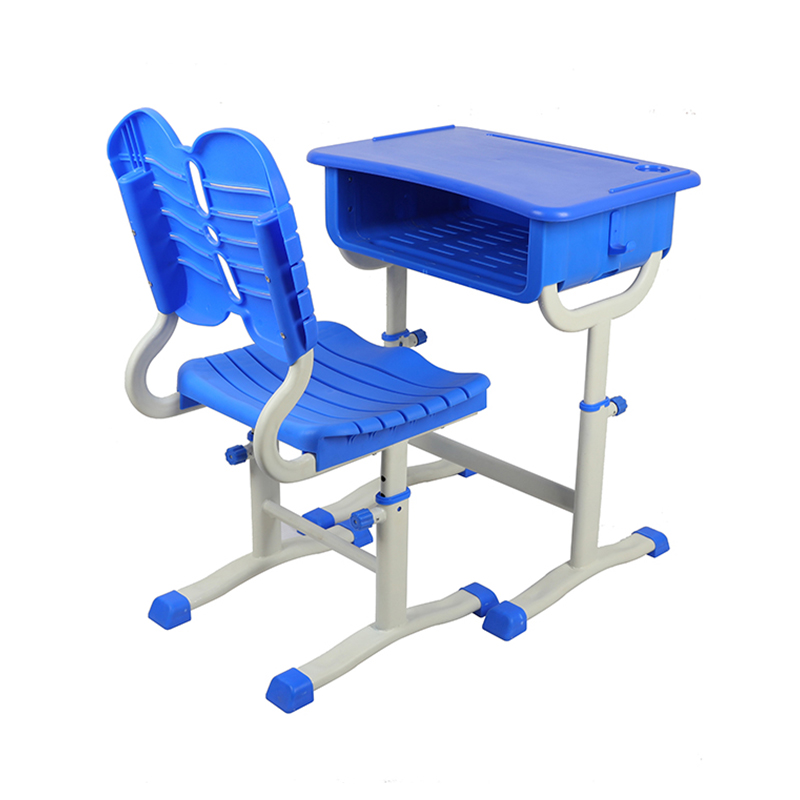
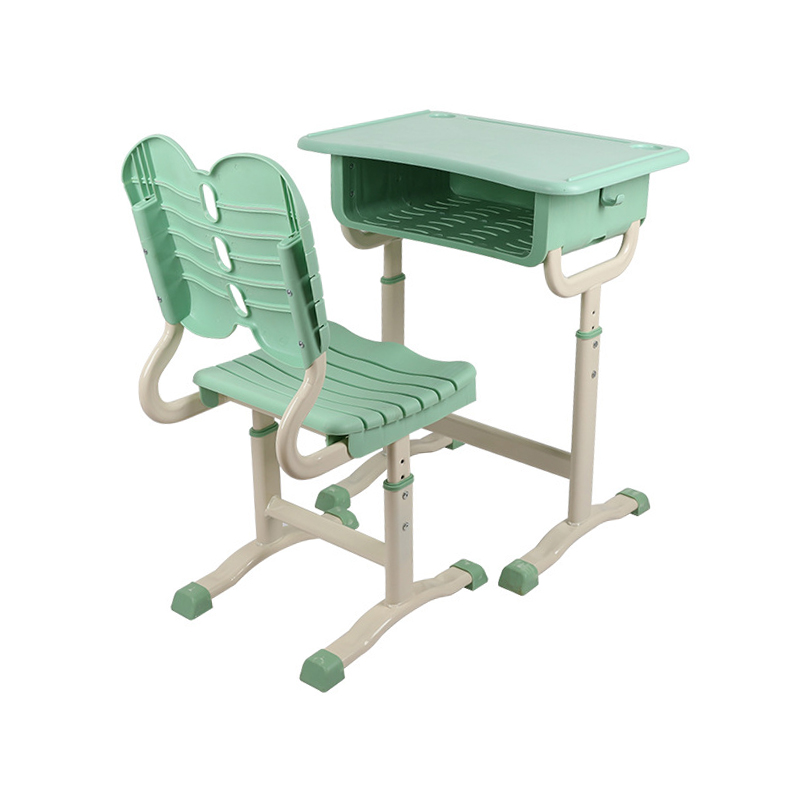
Integrated desk and chair solutions designed to provide coordinated ergonomic support. Chairs often feature height adjustments or supportive contours that complement the desk.
Desks with adjustable tilt surfaces support writing, sketching, and reading. These models are commonly used in art or technical classrooms where angled work surfaces improve ergonomics.
Some schools adopt modular furniture systems where multiple desks can be combined or rearranged for group learning, STEM labs, or flexible classroom layouts.
Before choosing desks, schools should evaluate available space. Adjustable desks require enough room for movement and safe adjustments of height and tilt.
High-quality wood and durable frame materials are essential for stability and longevity. Laminated or treated wood surfaces enhance resistance to scratches, stains, and moisture.
Height-adjustable desks should accommodate the typical size range of students in the classroom. Adjustable range and ergonomic design are critical for promoting proper posture.
Wooden desks with smooth, coated surfaces are easy to clean and maintain. Routine cleaning ensures a hygienic learning environment and preserves the desk’s appearance over time.
Rounded edges, non-slip feet, and stable adjustment mechanisms enhance safety for students. Ergonomic designs should prevent accidental pinching or tipping during height or tilt adjustments.
Primary and Secondary Schools: Adjustable ergonomic desks support growing students and improve posture during classroom activities.
STEM and Art Classrooms: Tilting desktops and modular designs are ideal for hands-on projects, drawing, and technical exercises.
Higher Education: University classrooms benefit from adjustable desks for lecture, study, and collaborative activities.
Home Learning: Adjustable ergonomic desks provide children with comfortable and organized study areas for homework or remote learning.
| Feature | Standard Wooden Desk | Adjustable Ergonomic Desk |
| Height Adjustability | Fixed | Adjustable for multiple students |
| Desktop Tilt | Fixed | Fixed | Adjustable angle for writing or drawing |
| Ergonomic Design | Basic | Contoured edges, ergonomic posture support |
| Material | Wood | Wood with reinforced frame |
| Storage | Optional | Built-in drawers or compartments |
| Suitable Age Range | Single grade | Multiple age groups |
| Classroom Flexibility | Limited | High, supports collaborative setups |
Wooden adjustable ergonomic school desks are transforming classroom furniture by combining traditional wooden construction with modern ergonomic design. These desks support proper posture, provide flexible workspaces, and promote a more organized learning environment. With features such as height adjustability, tilting desktops, durable materials, and built-in storage, these desks cater to students across all age groups and learning environments.
Recommended Products


 русский
 عربى
عربى
 Español