2025-11-19
The world of art and design has witnessed significant innovation in the tools and furniture that support creativity. Among the more notable developments are adjustable art tables, studio drawing tables, and artist drafting stations. These versatile pieces of furniture are redefining the way artists, designers, and students approach their workspaces, providing both comfort and functionality.
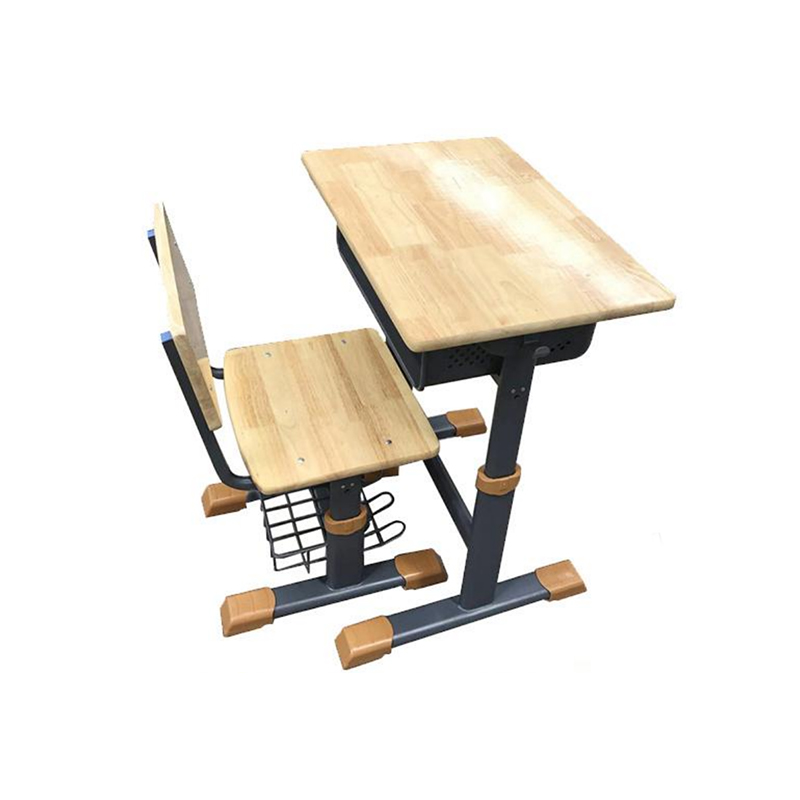
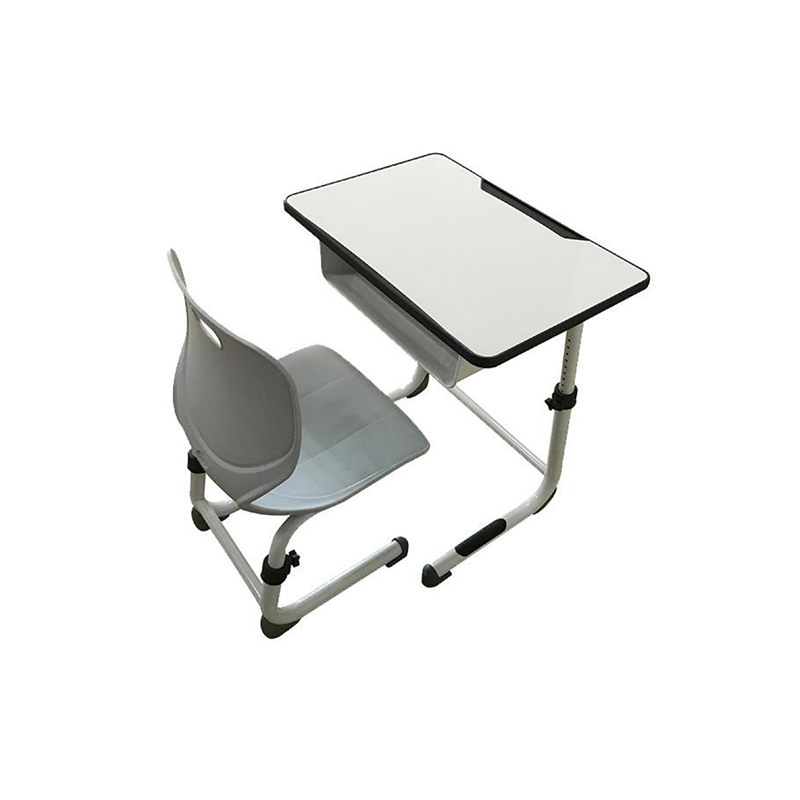
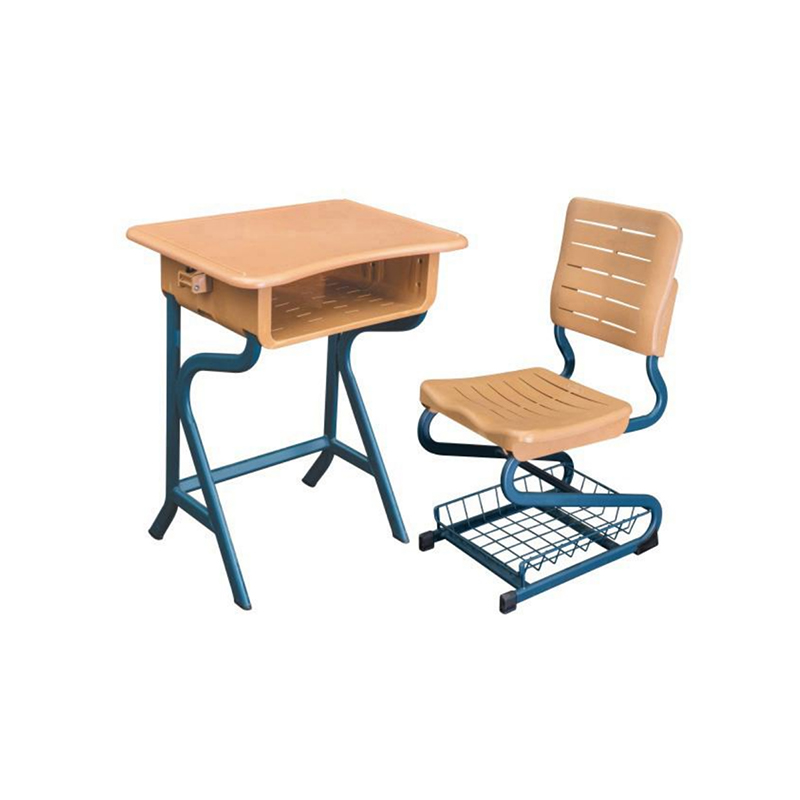
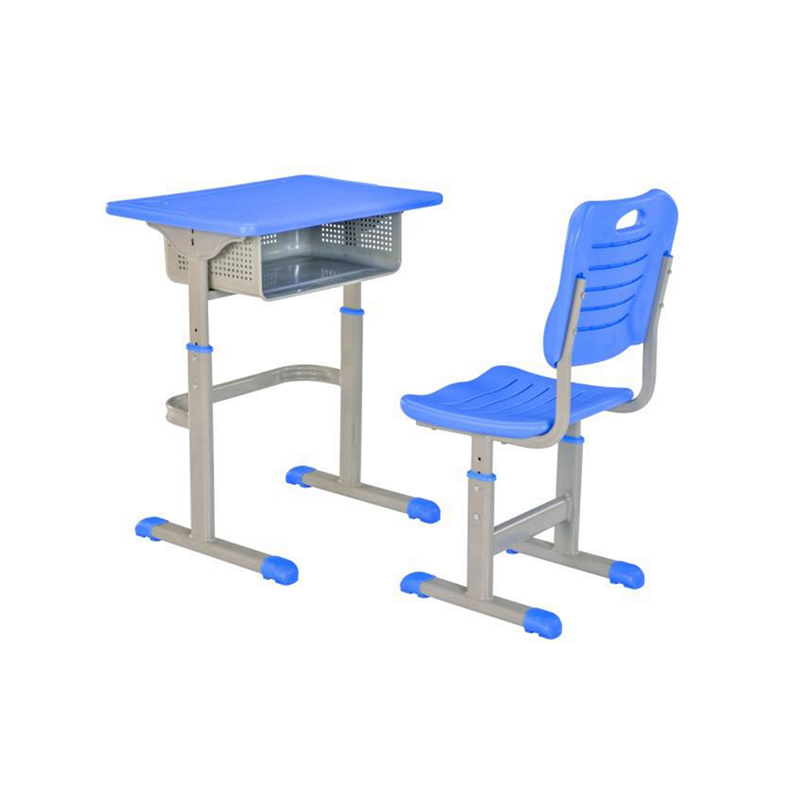
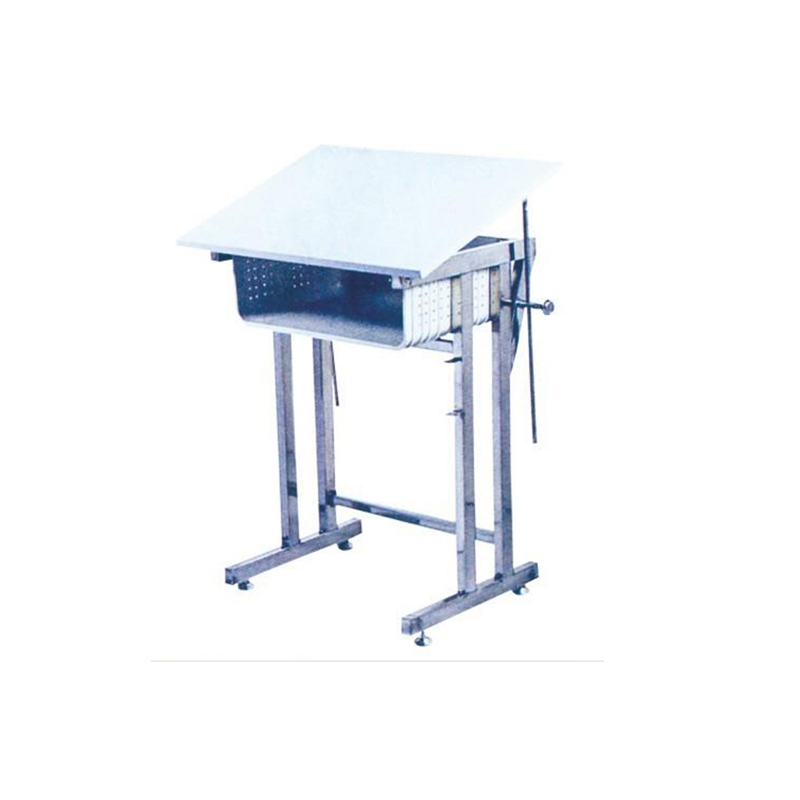
Adjustable art tables have become increasingly popular among professionals and hobbyists alike. Their main appeal lies in their flexibility. These tables allow users to modify height and angle according to their preferences, ensuring an ergonomic setup that reduces strain during long periods of work. Artists can easily switch from a flat surface for sketching to an angled position suitable for painting or drafting, which significantly enhances productivity.
Additionally, adjustable art tables often feature durable surfaces that can withstand different mediums, from graphite and ink to watercolor and acrylics. Some models also include storage compartments for pencils, brushes, and other essential tools, making it easier for artists to maintain an organized workspace. The combination of adaptability and practical design has made adjustable art tables a staple in modern studios.
Studio drawing tables are designed with precision and professional work in mind. These tables offer large, flat surfaces that are ideal for detailed illustrations, architectural designs, and complex projects. Unlike standard desks, studio drawing tables often include adjustable angles and integrated measurement guides, helping artists maintain accuracy in their work.
One of the key benefits of studio drawing tables is their stability. Constructed from high-quality materials, these tables provide a solid foundation for drawing, drafting, or painting. Stability is especially important for artists who work with fine lines or intricate patterns, where even slight movement can affect the outcome.
Moreover, studio drawing tables cater to various artistic disciplines. From graphic designers and illustrators to architects and engineers, these tables provide a versatile environment that supports creativity and technical precision. Their design also emphasizes comfort, helping artists maintain focus during long creative sessions.
Artist drafting stations represent a comprehensive approach to creative work. Unlike traditional desks, these stations are specifically designed for drafting, technical drawing, and other detailed artistic tasks. Features such as tilting surfaces, adjustable heights, and modular components allow artists to customize their workspace according to project requirements.
Many artist drafting stations also include integrated storage solutions and accessory holders, which keep essential tools within easy reach. This design smalls interruptions and bigs efficiency, allowing artists to focus entirely on their work. In addition, drafting stations often provide ample workspace, accommodating large sheets of paper or multiple digital devices simultaneously.
Ergonomics play a significant role in drafting station design. Adjustable angles and heights help reduce neck, shoulder, and back strain, which is a common concern for artists who spend hours at their desks. By promoting a comfortable posture, these stations contribute to long-term health and sustainable creative practices.
The adoption of adjustable art tables, studio drawing tables, and artist drafting stations has transformed modern creative workspaces. Artists are no longer confined to standard desks or makeshift setups. Instead, they can select furniture that complements their workflow, enhances precision, and encourages longer periods of productive work.
In addition to functionality, these pieces of furniture contribute to the aesthetic of a studio. Sleek designs, high-quality materials, and thoughtful layouts make creative spaces more inviting and inspiring. For students, educators, and professionals, having access to dedicated art furniture can significantly influence the learning process and overall creative output.
As demand for specialized art furniture grows, manufacturers are introducing innovative features that further enhance usability. Adjustable surfaces with multiple tilt positions, anti-slip worktops, and integrated lighting are becoming increasingly common. Some models also incorporate eco-friendly materials and modular designs, catering to artists who prioritize sustainability and adaptability.
Digital integration is another trend shaping the future of art tables and drafting stations. Workspaces are evolving to support both traditional and digital media, with tables designed to accommodate tablets, styluses, and other electronic devices alongside conventional art supplies. This hybrid approach reflects the modern artist's need for versatile, technology-friendly environments.
Selecting the right art table or drafting station depends on individual needs and creative goals. Adjustable art tables are ideal for those seeking flexibility and ergonomic benefits, while studio drawing tables are suited for detailed work requiring precision and stability. Artist drafting stations provide comprehensive solutions for technical drawing and complex projects, offering both functionality and comfort.
Before making a purchase, artists should consider factors such as surface size, adjustability, storage options, and material quality. A well-chosen workspace not only enhances productivity but also encourages experimentation and creative growth.
The rise of adjustable art tables, studio drawing tables, and artist drafting stations marks a significant evolution in creative workspaces. These functional and adaptable pieces of furniture support a wide range of artistic disciplines, from sketching and painting to drafting and digital design.
Recommended Products


 русский
 عربى
عربى
 Español