2026-06-12
Anyone who's sat through a school day knows the student desk and chair are basically where everything happens. You read there, write there, spin around to talk to the person behind you when the teacher asks for group work. Six hours a day, five days a week — that adds up. The furniture isn't incidental to the learning environment; in a lot of ways it is the learning environment, and it looks pretty different depending on whether you're walking into a primary school classroom or a university lecture hall.
In elementary schools, middle schools, and high schools, rows or clusters of student desk and chair units create organized areas for instruction. Teachers move between them during individual help sessions, while students use the surfaces for notebooks, tablets, and basic supplies. The setup allows for both independent work and collaboration when rearranged for projects.
Many classrooms feature fixed positions that align with board visibility and teacher movement. This layout helps maintain order during transitions between subjects. In larger rooms, the furniture placement supports clear pathways for students entering or leaving without disruption.
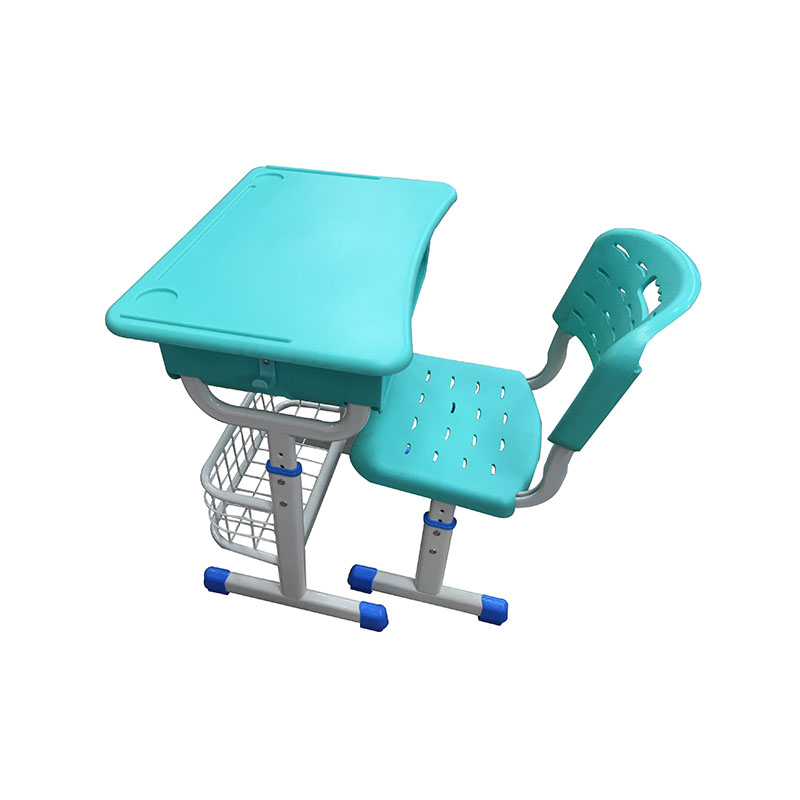
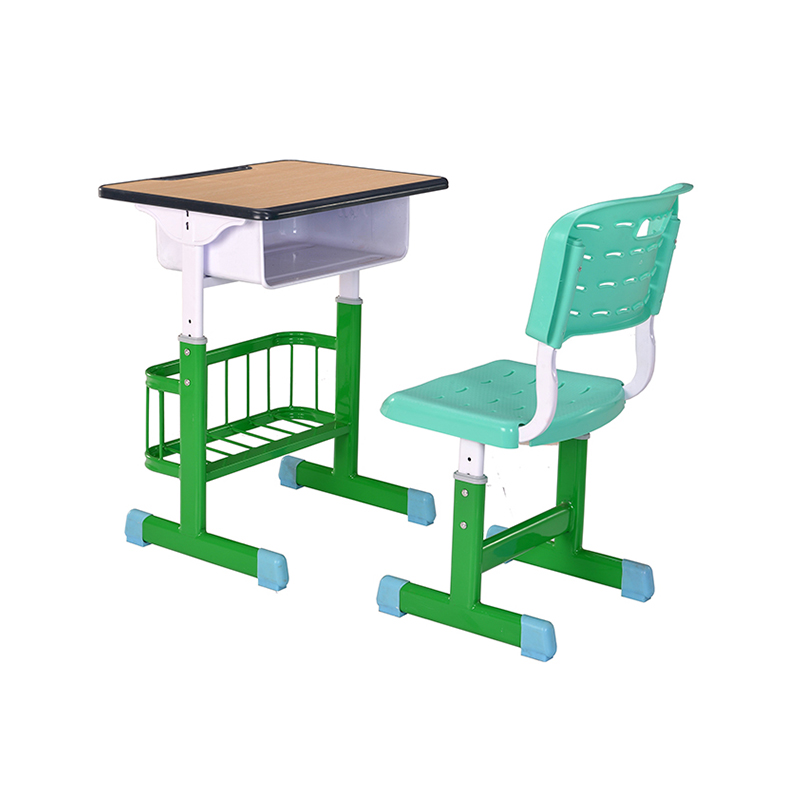
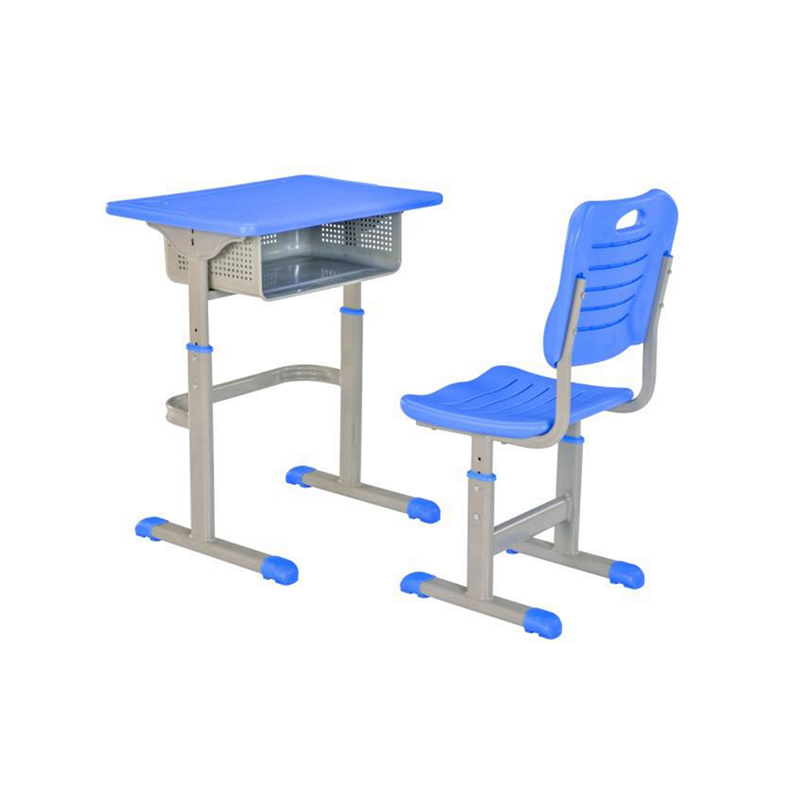
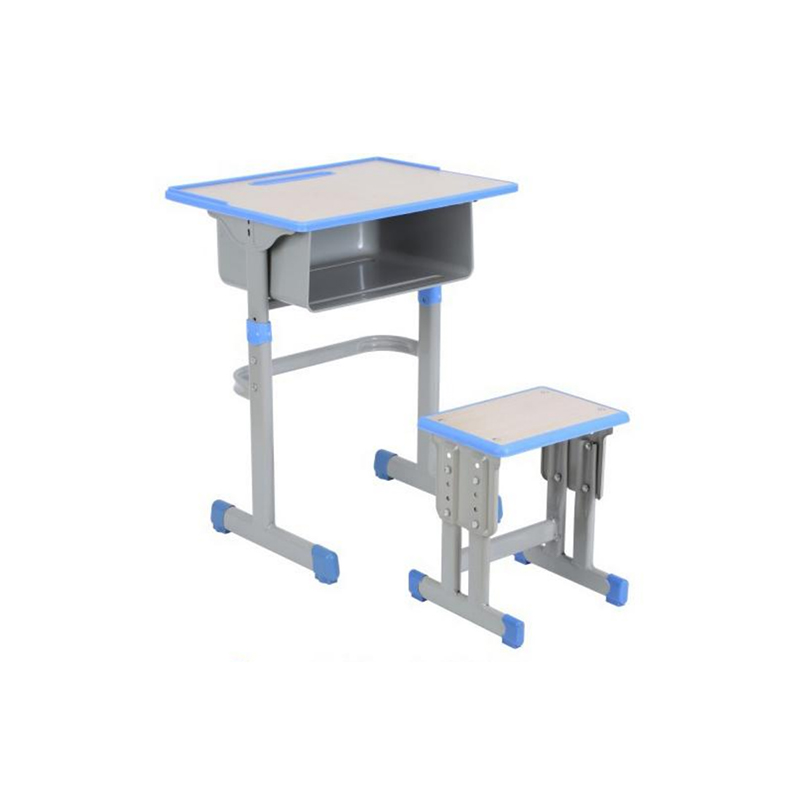
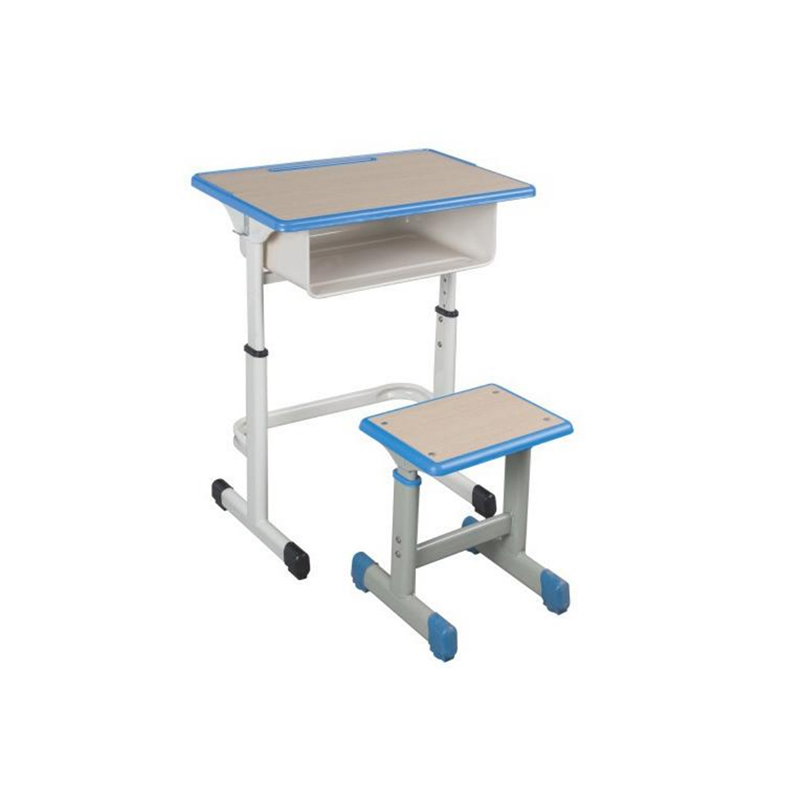
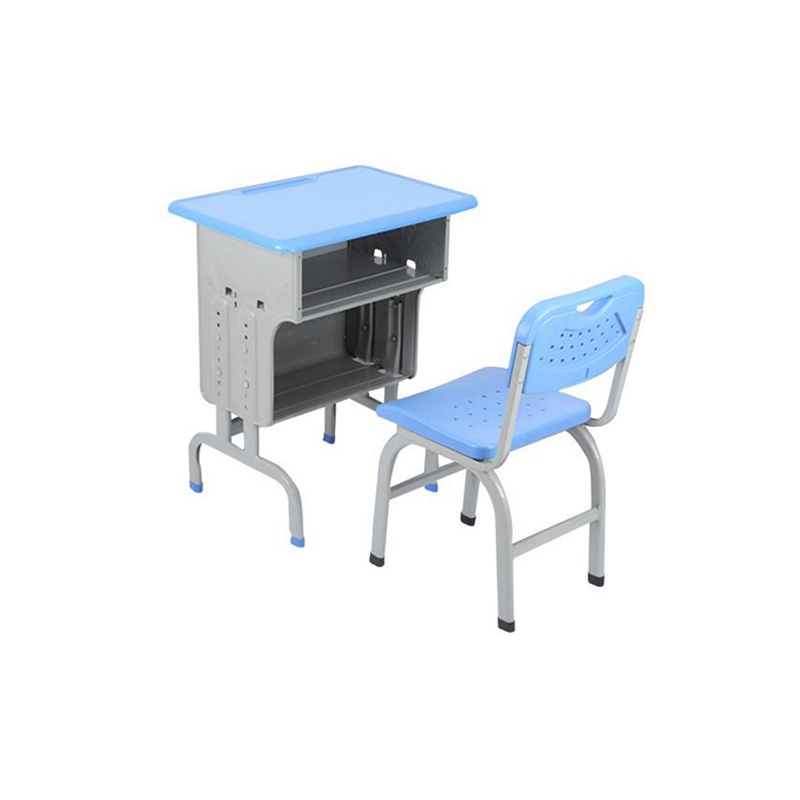
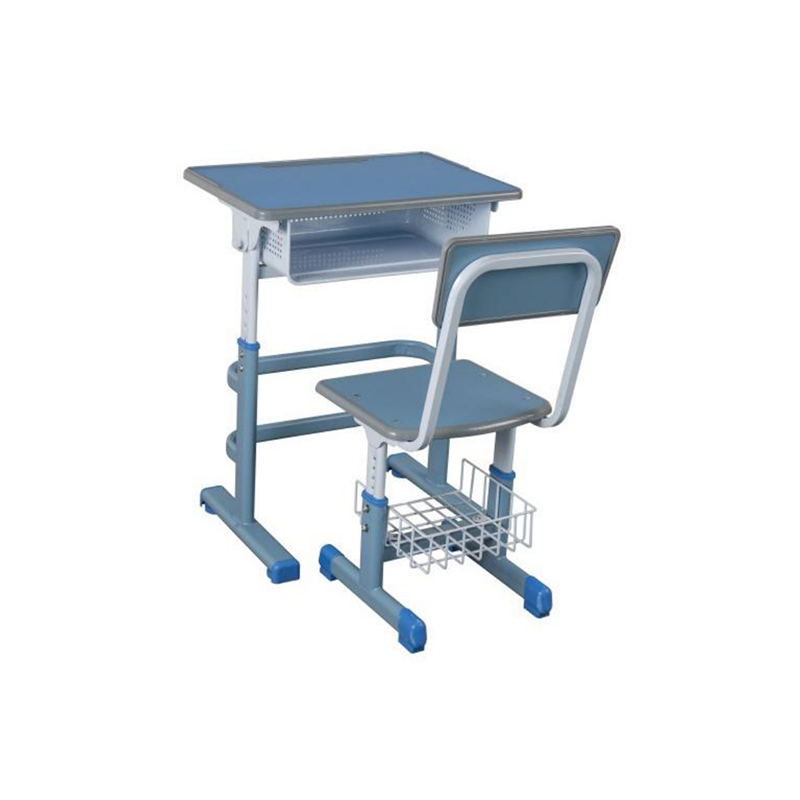
Student desk and chair designs often include flat work surfaces sized for standard materials. Chairs typically match desk heights to promote stable posture during seated tasks. Storage compartments under desks hold folders and personal items, reducing clutter on the floor.
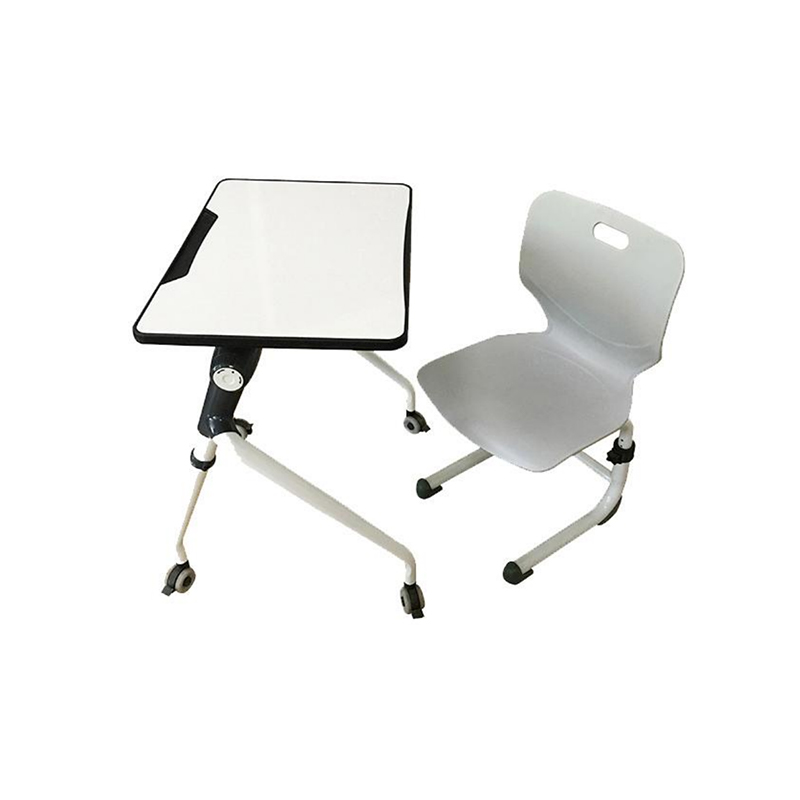
Adjustable models appear in some settings, allowing minor height changes to suit growing students. The chairs provide solid seating with back support that accommodates longer class periods. Desks may have sloped options for certain subjects or flat tops for general use, giving flexibility within the same room.
Younger students in primary grades often use smaller student desk and chair sets with rounded edges and brighter color accents that blend with classroom themes. These versions emphasize easy access and simple cleaning lines. As students advance to higher grades, the furniture shifts toward larger surfaces suitable for notebooks, textbooks, and basic science equipment.
High school versions frequently include space for laptops alongside traditional writing areas. The chair designs evolve to handle extended sessions common in advanced classes. This progression reflects changes in academic demands from early exploration to more structured study routines.
During a standard school day, student desk and chair units support multiple activities without constant rearrangement. Morning lessons involve individual seating, while afternoon group work allows quick shifts into clusters. The furniture’s stability helps minimize noise during movement between tasks.
In science or art rooms, specialized versions with chemical-resistant tops or larger workspaces appear alongside standard sets. Libraries within schools use similar but more compact designs for quiet reading zones. This variety enables different subjects to share common furniture themes while addressing specific session needs.
Student desk and chair combinations frequently use metal frames paired with laminate or wood-composite surfaces. The frames offer steady support through tubular steel or similar constructions that resist wobbling during active classes. Tabletops withstand regular use from pens, markers, and occasional spills common in school settings.
Chairs often feature molded plastic seats and backs attached to metal bases. These components balance strength with relatively light weight for occasional repositioning. Some sets incorporate mesh elements in chair backs to support airflow during warmer months or busy activity periods.
Recommended Products


 русский
 عربى
عربى
 Español