2026-02-27
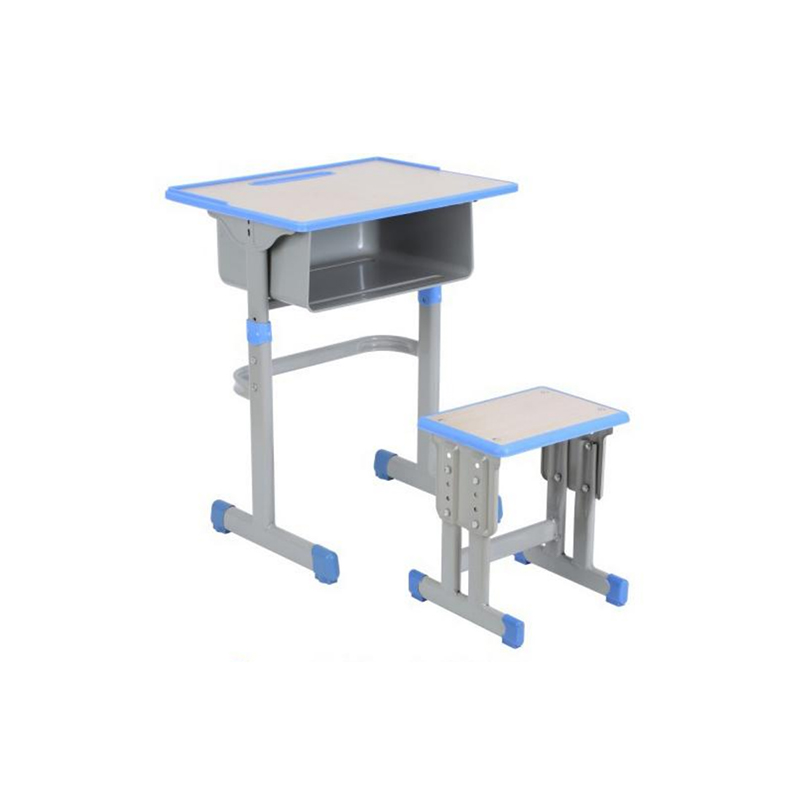
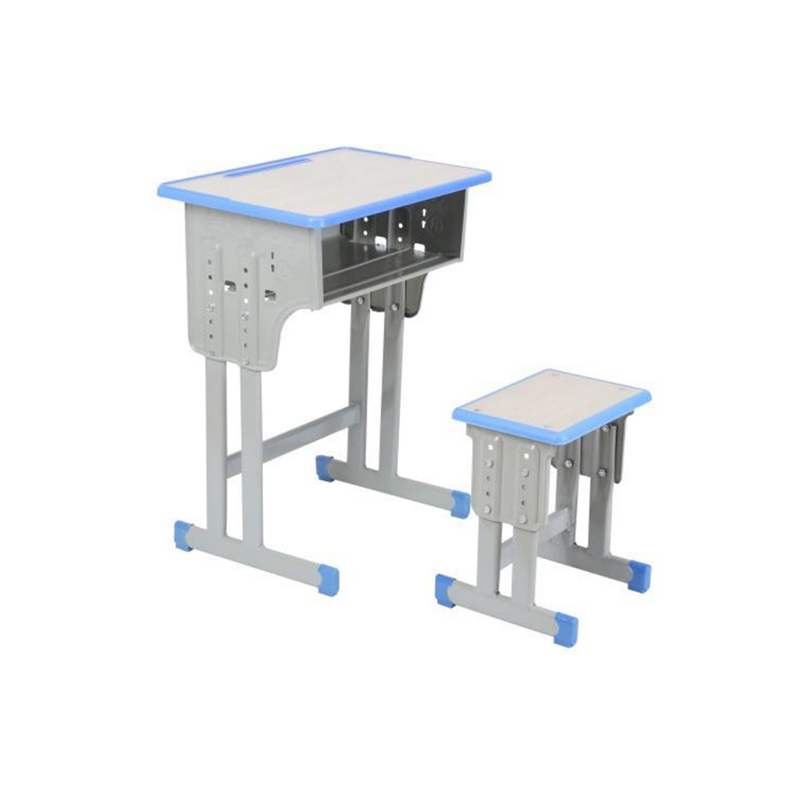
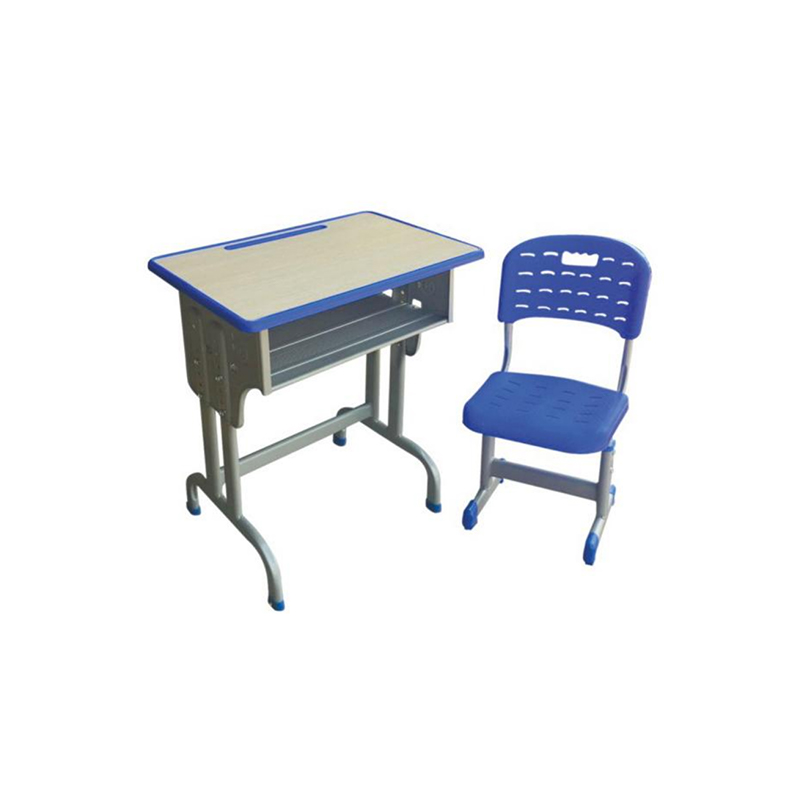
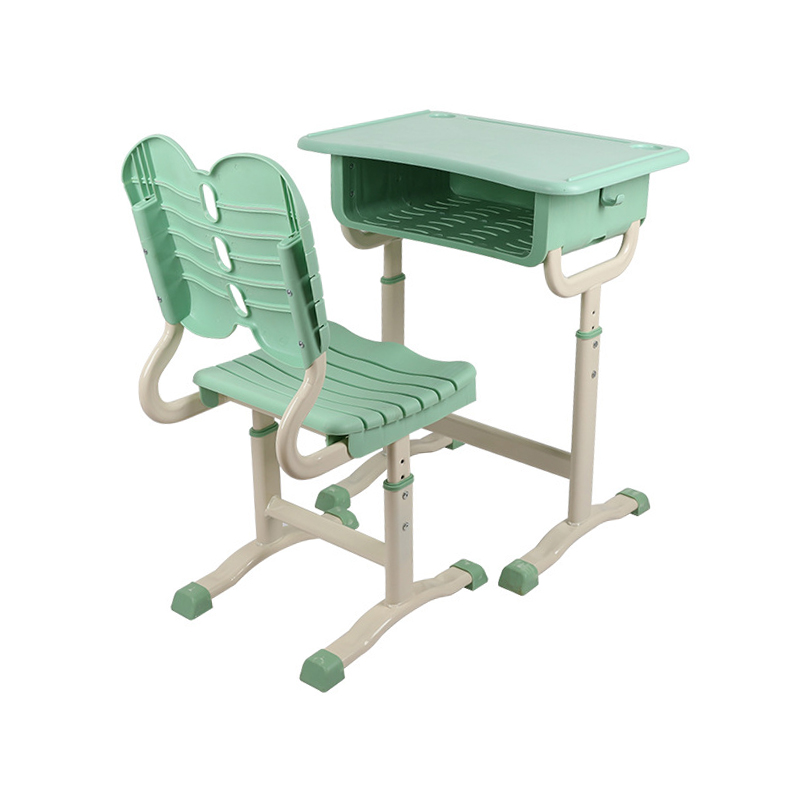
Student stools are designed to provide practical and adaptable seating solutions for a variety of learning environments. The production process begins with material selection, which typically includes wood, metal, or durable plastic. Each material offers unique characteristics: wood brings warmth and natural texture, metal provides structural stability, and plastic allows for lightweight and colorful designs.
The design of a student stool prioritizes ergonomics and space efficiency. Stools are generally compact, enabling easy arrangement in classrooms, study rooms, or art studios. Some designs include stackable or foldable options, allowing multiple stools to be stored efficiently when not in use.
Student stools are commonly used in classrooms, art rooms, laboratories, and libraries. Their compact size allows them to fit under desks, tables, or counters, offering flexibility in arranging the learning space. In art studios, student stools provide elevated seating that enables students to work comfortably at easels or high tables.
In classrooms, stools can support collaborative learning. They allow students to move freely, join group activities, and adjust seating arrangements quickly. Their lightweight design makes them easy for students to carry or reposition without assistance. Stools can serve multiple purposes beyond seating, such as temporary platforms for presentations or for supporting educational materials.
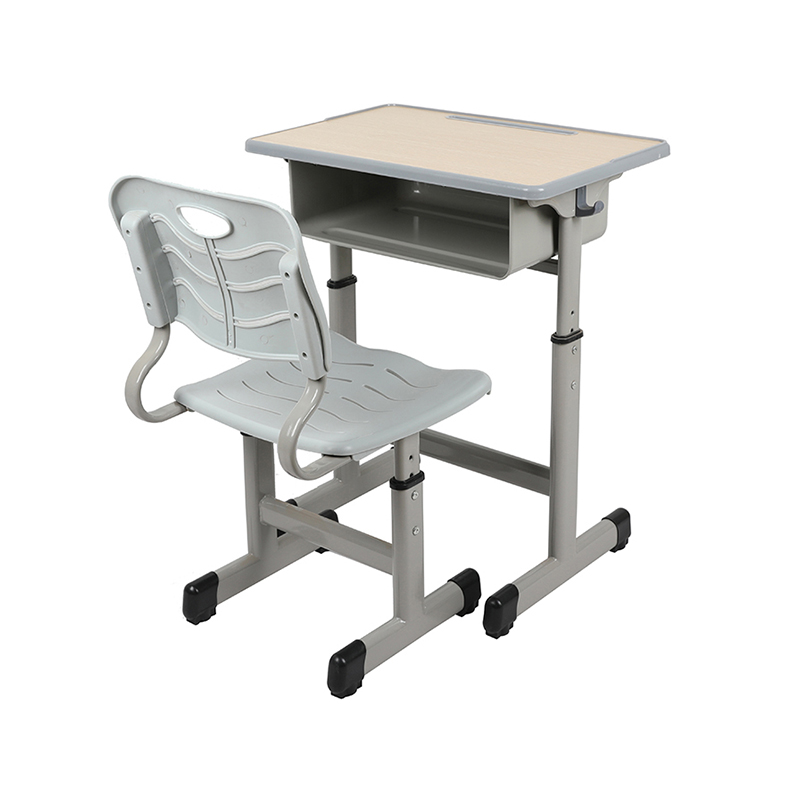
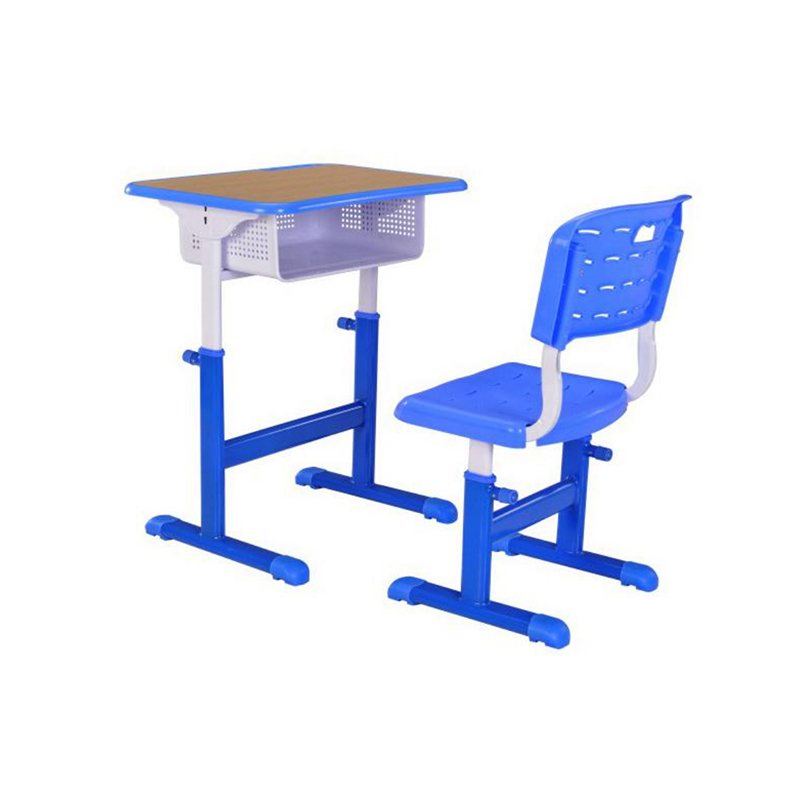
Some designs incorporate adjustable height, cushioned seating, or non-slip feet to improve comfort and usability. These features ensure that the stool accommodates students of varying ages and sizes, enhancing the learning experience while maintaining simplicity in its structure.
The student stool has a prominent presence in both domestic and commercial markets. Educational institutions, art centers, libraries, and recreational facilities all incorporate student stools due to their practicality. Home buyers also purchase these stools for children’s study areas, craft rooms, or play spaces, highlighting the item’s versatility beyond traditional classrooms.
The market offers a range of price points and styles to meet diverse needs. Basic models provide functional seating at an affordable cost, while premium versions may include ergonomic features, durable finishes, or stackable designs for higher-volume usage. Retailers and e-commerce platforms increasingly offer bundles and customizable options, allowing buyers to select colors, materials, and sizes that align with their space and aesthetic preferences.
Global demand for student stools reflects broader trends in education and learning spaces. Flexible and portable seating solutions remain attractive as institutions and homes look for adaptable furniture that accommodates dynamic learning and creative activities. The combination of affordability, usability, and visual appeal contributes to the continued market relevance of the student stool.
Student stools continue to evolve in response to user needs and design trends. In modern classrooms, stools are often paired with adjustable tables or activity stations to support active learning. Stackable or foldable models allow for quick rearrangement of furniture to create open space for group projects or interactive lessons.
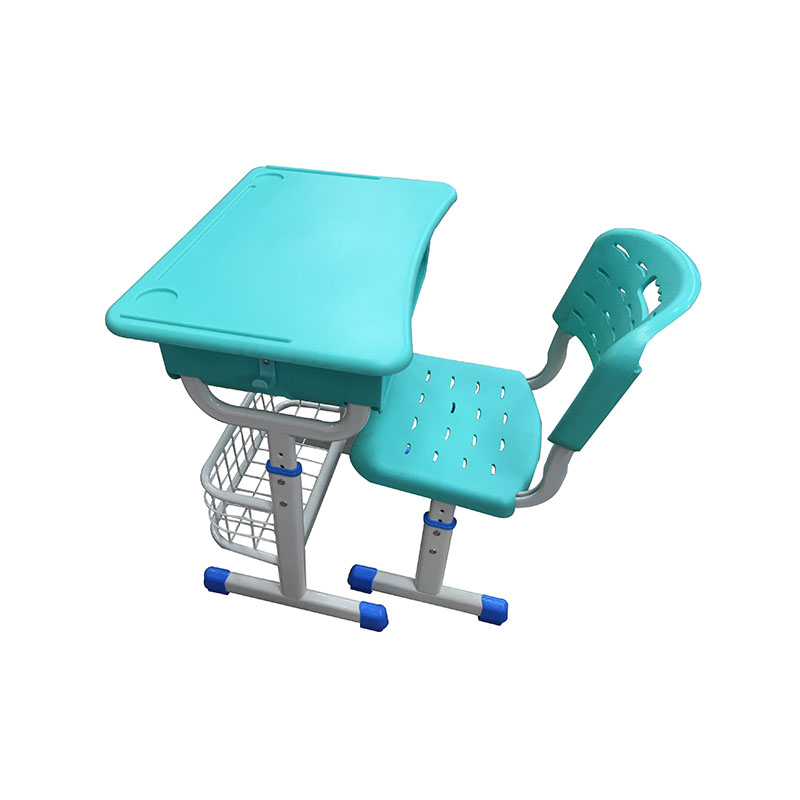
In art and creative settings, stools often feature durable surfaces that withstand paint, clay, or other materials. Bright colors, modular shapes, and smooth finishes make them appealing for young learners while supporting practical use. Some designs include integrated storage compartments beneath the seat or reinforced frames to enhance functionality.
In homes, student stools serve as versatile furniture items. They can function as seating, footrests, or small side tables, demonstrating the adaptability of a simple design. The combination of compact form, portability, and durability ensures that the student stool remains a relevant and practical choice in various settings. Its ability to balance functionality, aesthetics, and ease of use solidifies its position as a reliable seating solution across educational and domestic markets.
Recommended Products


 русский
 عربى
عربى
 Español