2026-02-20
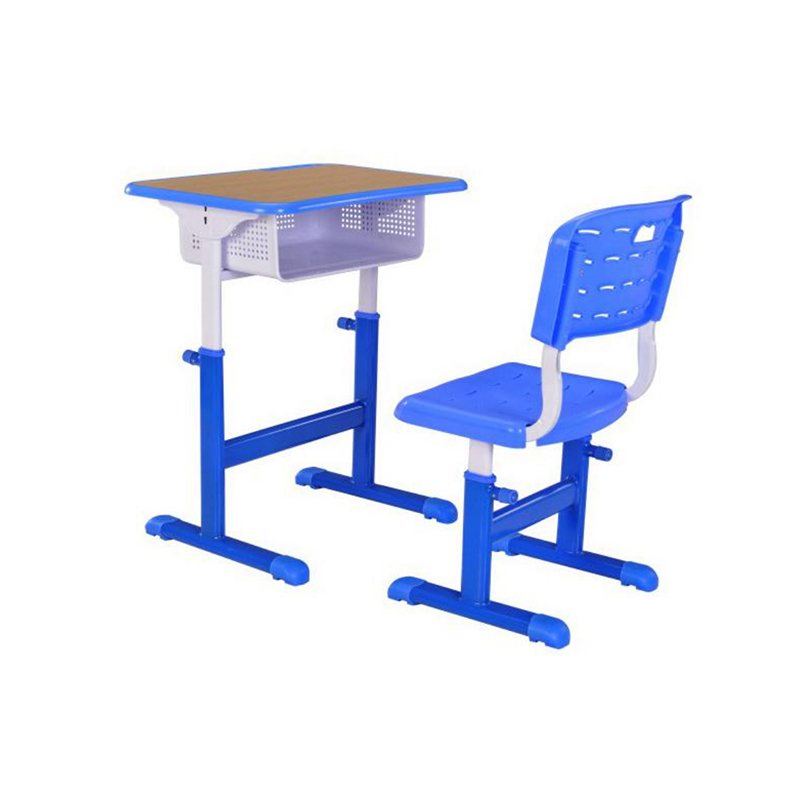
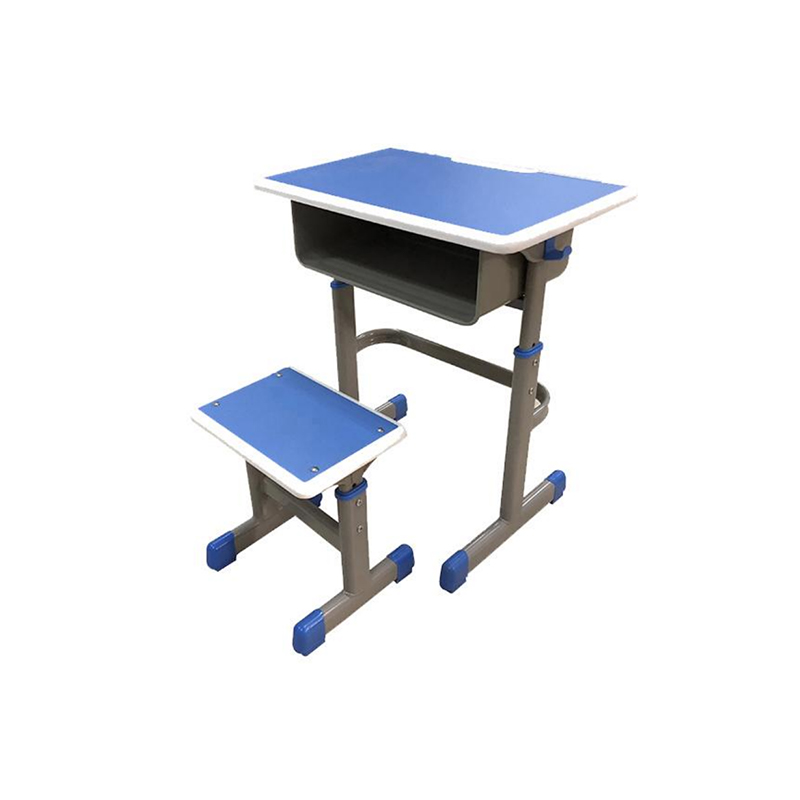
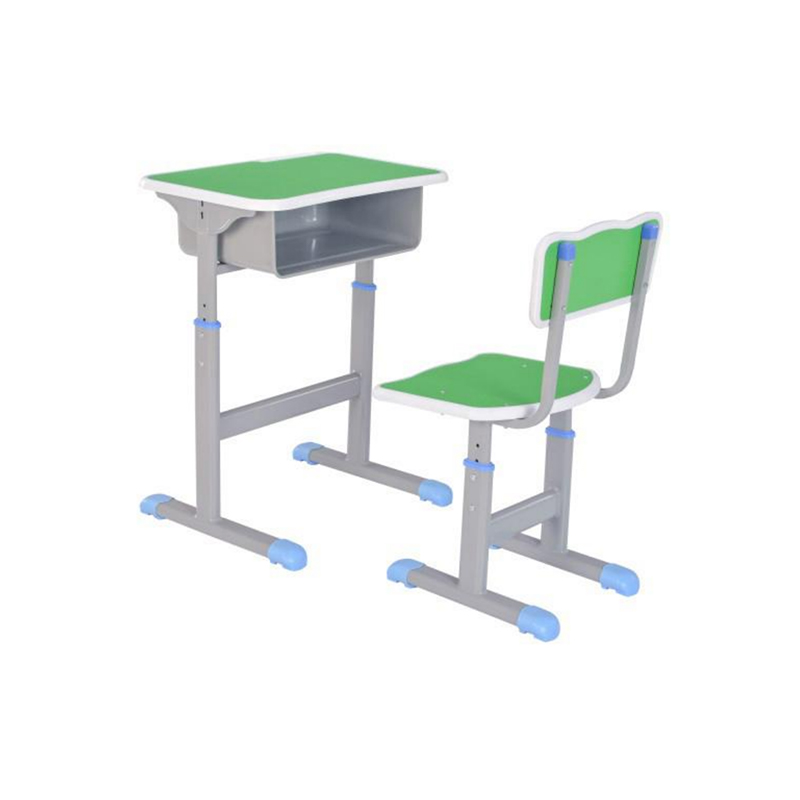
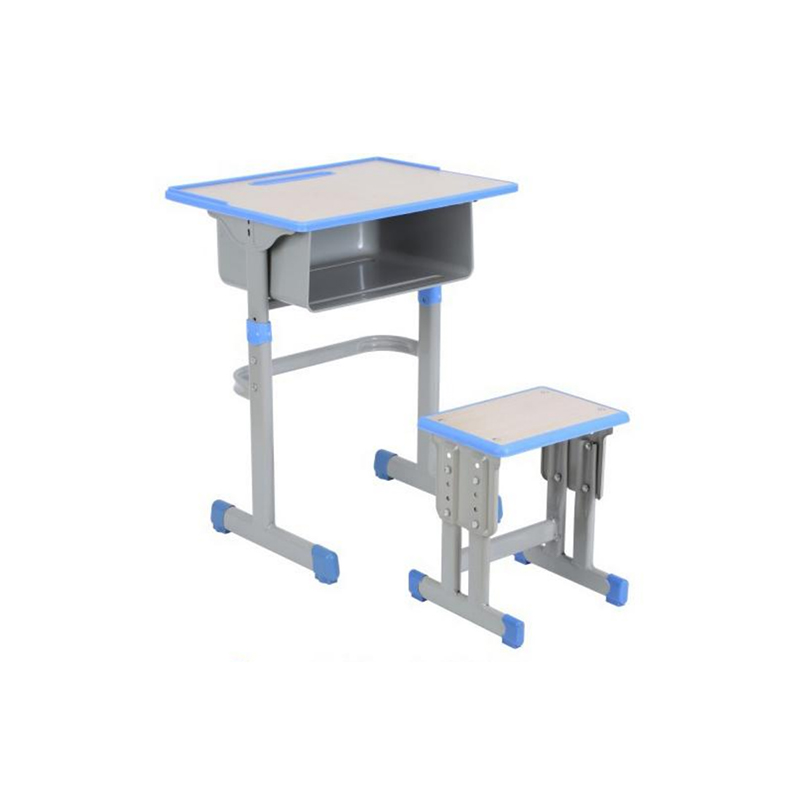
Student desks and chairs are fundamental components of educational environments, providing a structured and comfortable space for learning activities. Their design and production have evolved over time, reflecting changes in educational methods, ergonomic research, and classroom requirements. Traditionally, desks and chairs were crafted from wood, offering durability and a classic appearance. Today, a broader range of materials is used, including metal frames, engineered wood, high-density plastic, and composite materials. Each material brings specific benefits, such as lightweight mobility, cost efficiency, or resistance to wear in high-use environments.
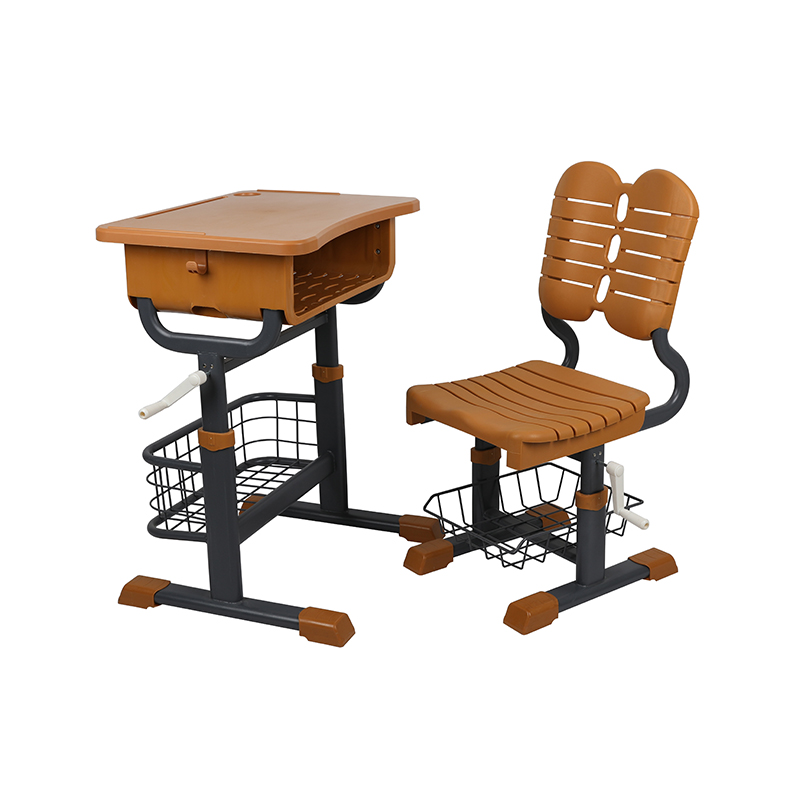
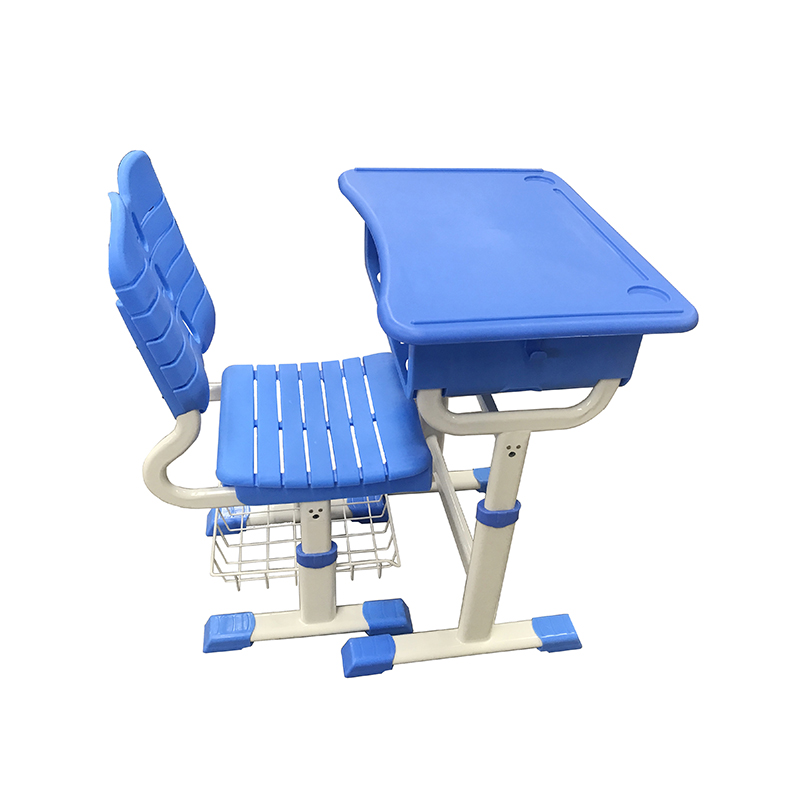
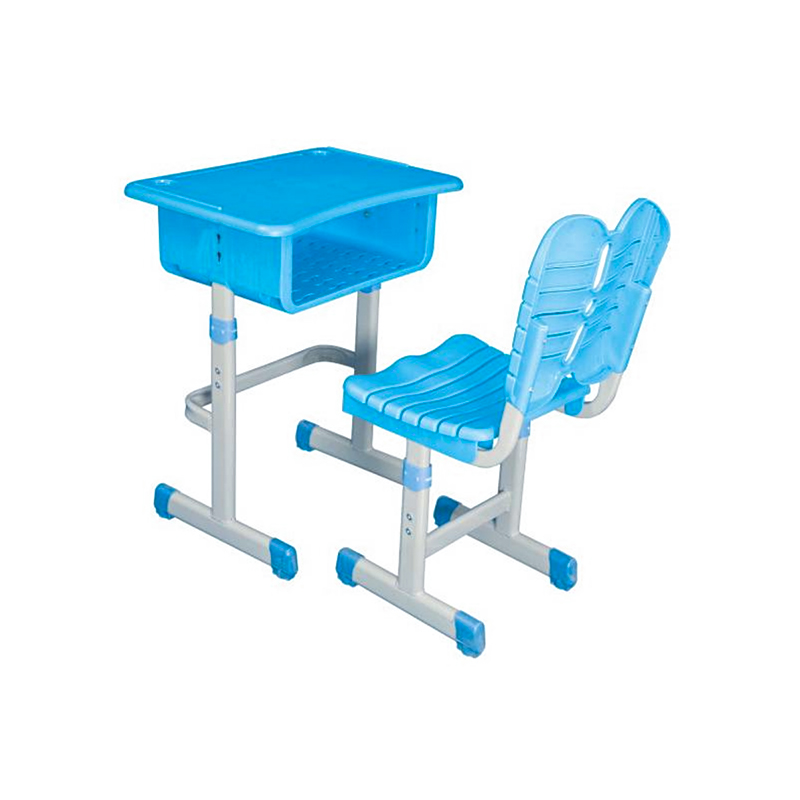
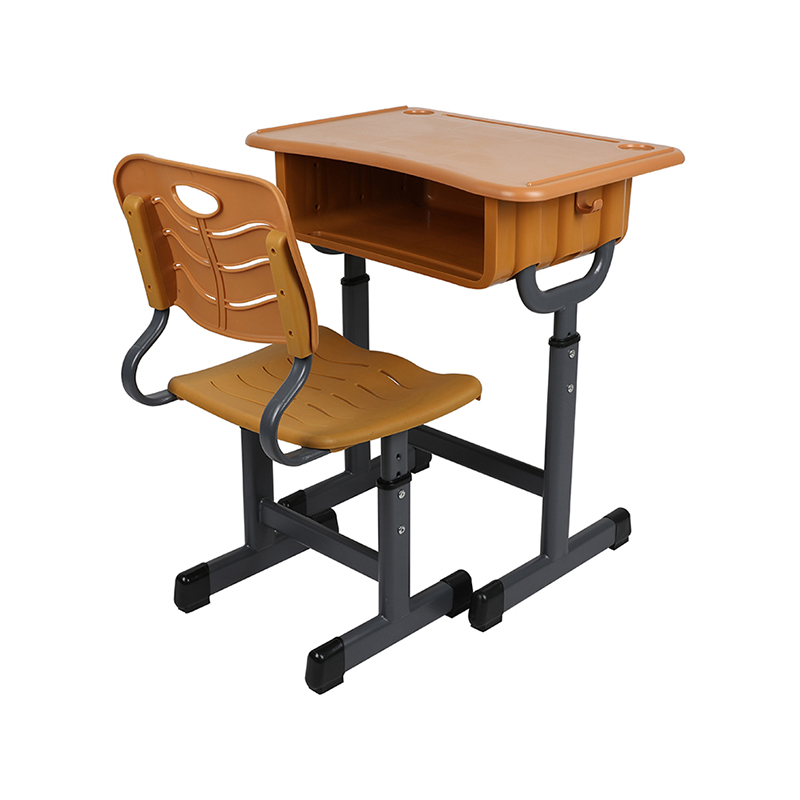
The production process typically begins with material selection, followed by cutting, shaping, assembling, and finishing. Desks may include flat surfaces, adjustable heights, storage compartments, or inclined tops, depending on intended use. Chairs are designed to provide proper support, often featuring contoured seats, backrests, and stability mechanisms to ensure comfort during prolonged periods of sitting. Factories utilize automated production lines for precision and consistency, while some manufacturers focus on hand-finished details that offer customization or specialized features for specific educational settings.
Student desks and chairs are widely used in primary and secondary schools, universities, and home study areas. Ergonomic considerations are essential, as proper seating and desk height can influence posture, concentration, and overall comfort. Adjustable desks and chairs are particularly valued in classrooms with students of varying ages and sizes, allowing for individual customization. Storage features such as drawers, cubbies, or racks help students organize textbooks, stationery, and personal items efficiently. Classroom layouts often take into account desk and chair size, spacing, and movement to maximize interaction and learning opportunities.
The market for student desks and chairs encompasses a variety of educational institutions, retail stores, and online platforms. Demand is driven by school procurement cycles, home learning trends, and the growth of private tutoring centers. Manufacturers develop a wide range of models to cater to different needs, including compact designs for smaller classrooms, modular sets for collaborative learning, and reinforced units for heavy daily use.
Design innovations play an important role in the appeal of student desks and chairs. Features such as adjustable height, foldable frames, integrated storage, and ergonomic contours improve usability and comfort. These innovations require careful engineering during production to maintain stability and long-term durability.
Distribution of student desks and chairs varies depending on the target market. Educational institutions may purchase in bulk through specialized suppliers, while individual customers often rely on furniture stores or online platforms. Flat-pack or pre-assembled options are available, with assembly instructions and hardware included for customer convenience. Retailers highlight the durability, comfort, and adaptability of products to help families and schools make informed decisions.
Student desks and chairs remain integral to learning environments, supporting both educational activities and healthy posture. Their design balances functionality, comfort, and cost, offering a range of options suitable for different ages, classroom layouts, and usage patterns. Production methods, material choices, and thoughtful design contribute to usability, durability, and classroom efficiency. Manufacturers continue to refine these products based on user feedback and market demand, emphasizing practicality and versatility. The focus remains on creating functional, comfortable, and adaptable learning furniture that meets the needs of students and educators alike.
Recommended Products


 русский
 عربى
عربى
 Español