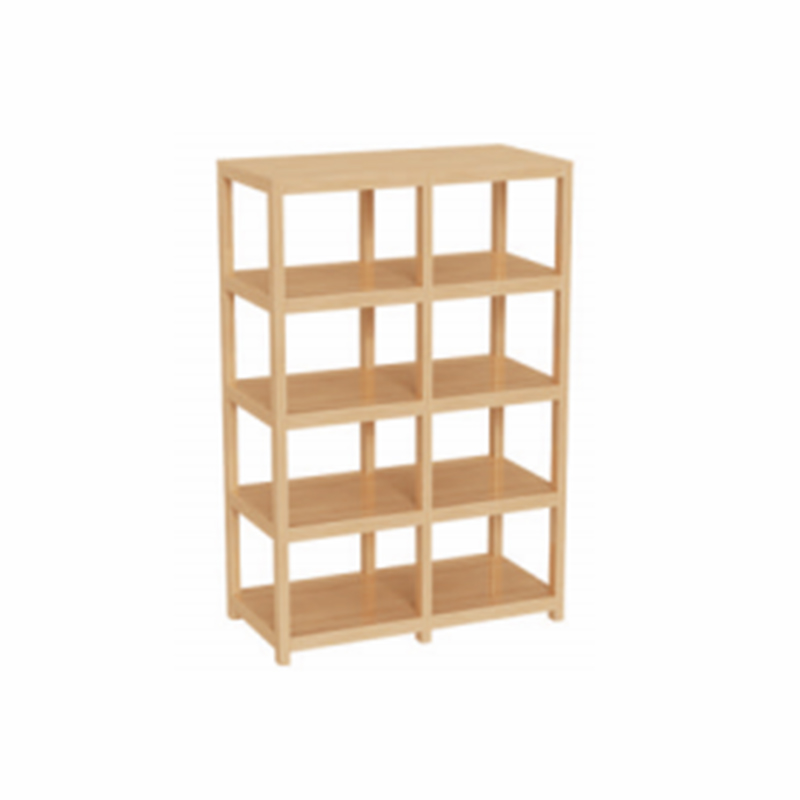
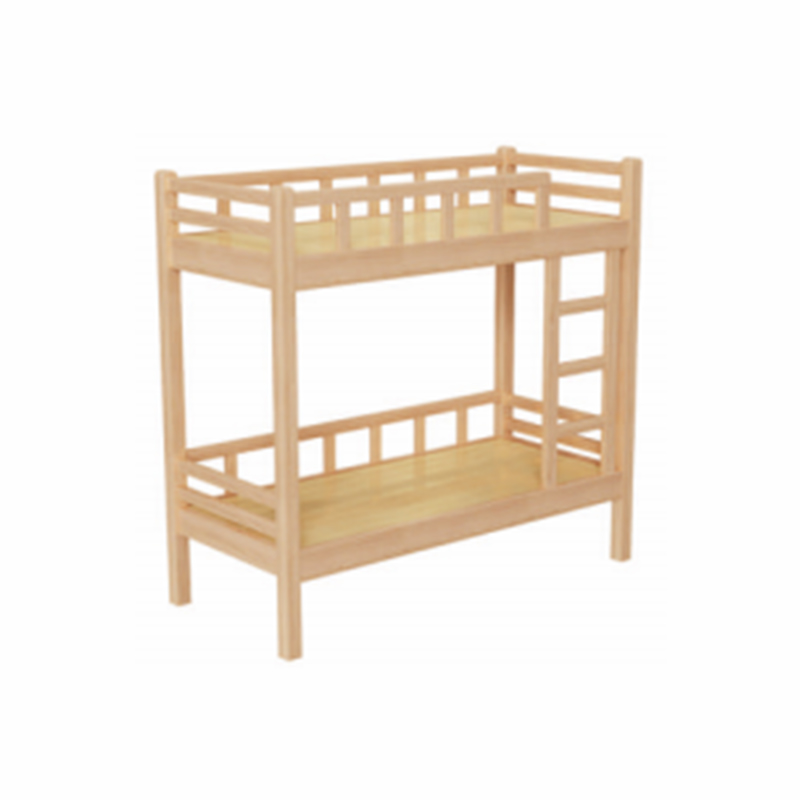
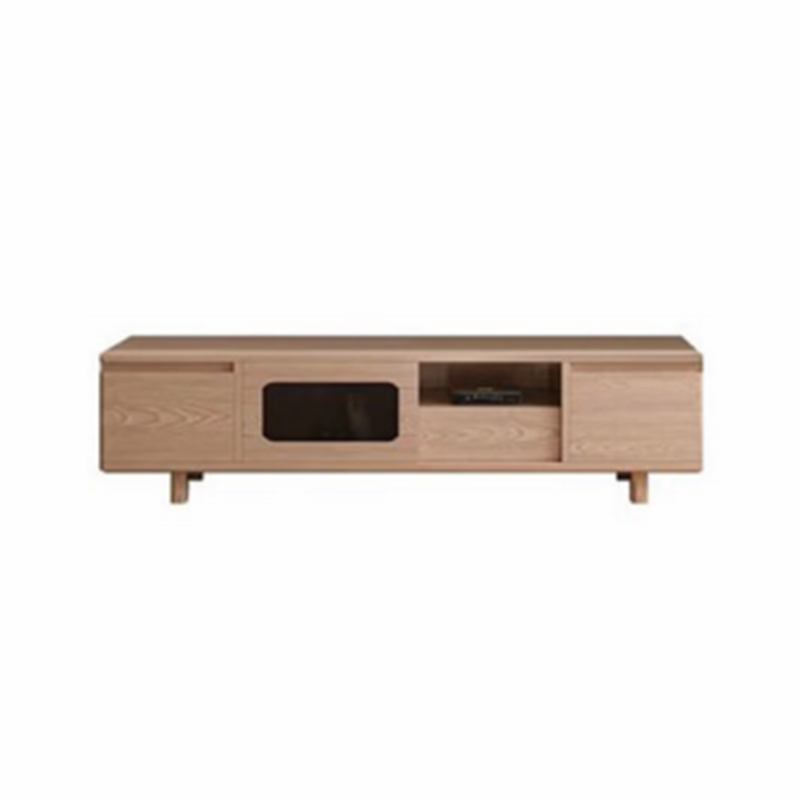
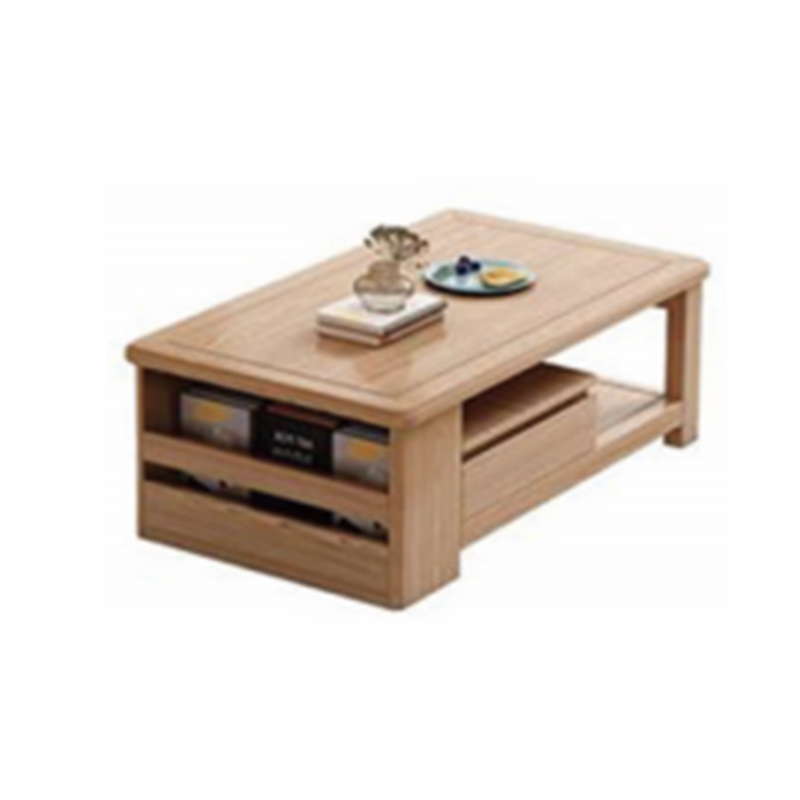
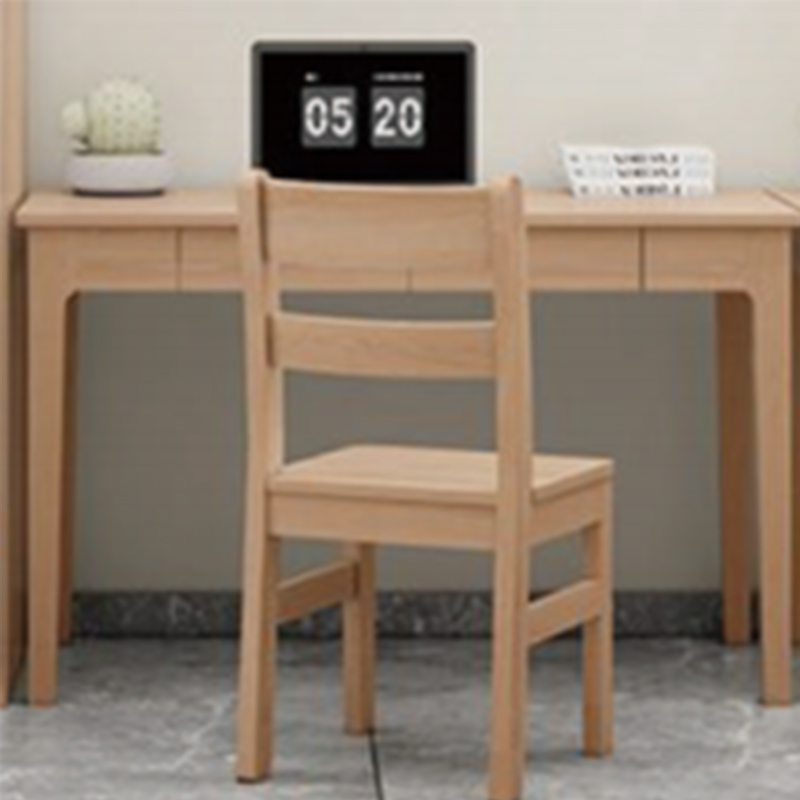
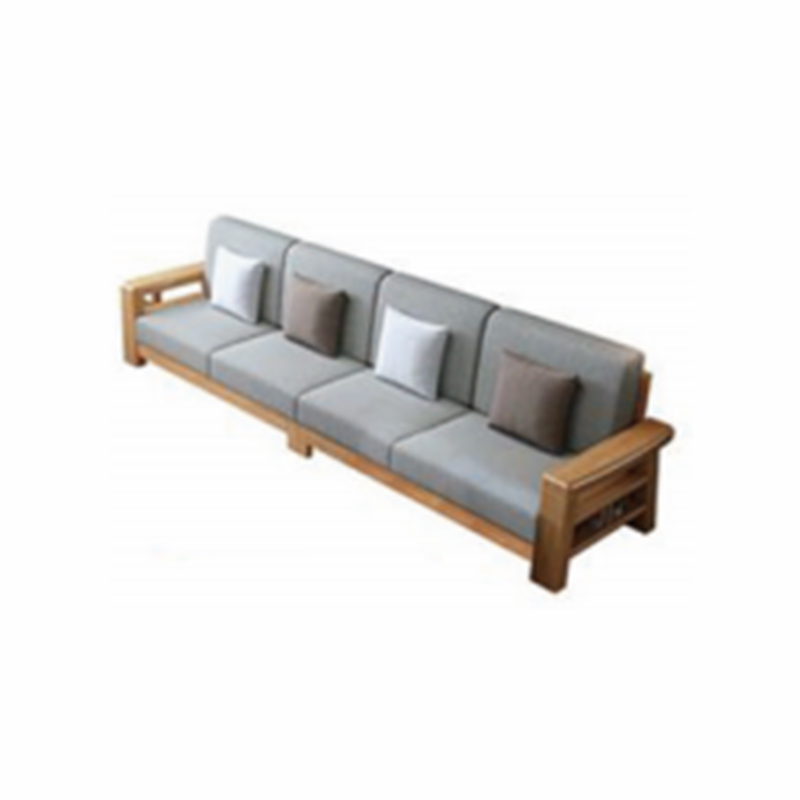
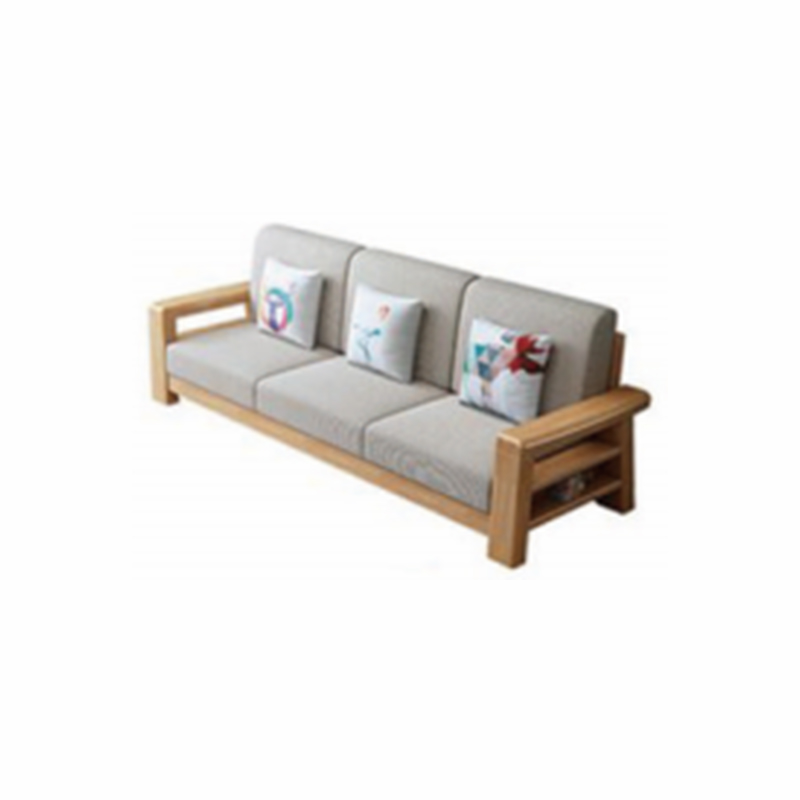
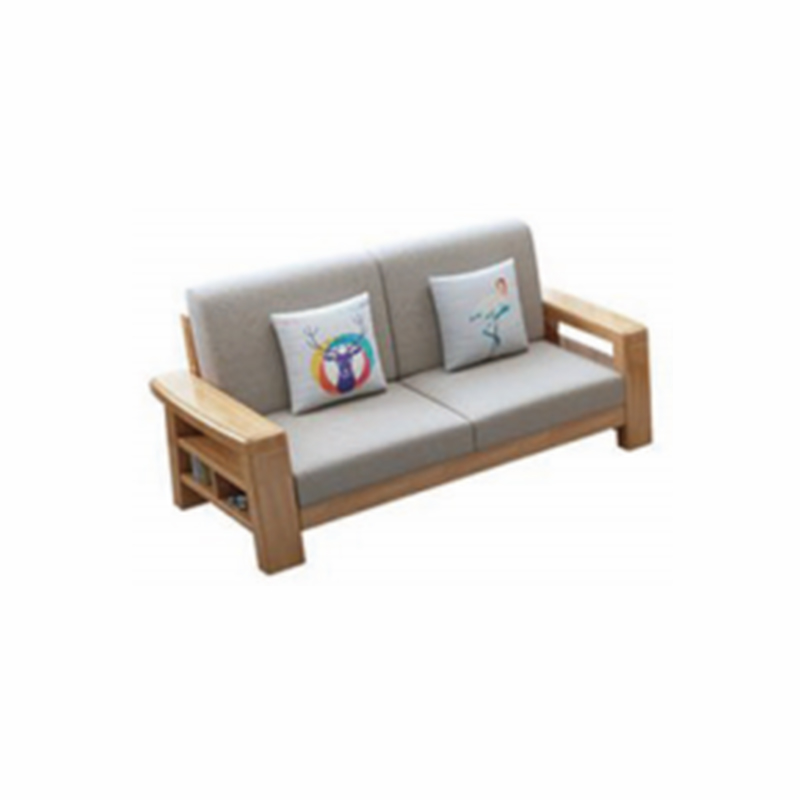
Wooden furniture is valued for its natural beauty, durability, and timeless appeal. Made from materials such as oak, pine, teak, or walnut, it brings warmth and elegance to any space. Each piece often showcases unique wood grains and craftsmanship, making it both functional and decorative. Wooden furniture can suit various interior styles, from traditional to modern. It is commonly used for tables, chairs, cabinets, and beds, offering long-lasting use with proper care. Additionally, wood is a sustainable material when sourced responsibly, making wooden furniture an eco-friendly choice for homes and offices.
Metal cabinets continue to play a useful role in workshops and production facilities where organization matters. These sturdy unit...
View MoreThermosetting Chair Designs Combine Strength With Lightweight Structure A thermosetting chair is built from resin that undergoes a...
View MoreWhat Goes Into a Laboratory Table's Construction Surface material is one of the more consequential choices in a Laboratory Table's...
View MoreThe folding chalk board never really disappeared — it just stopped being the only option. Now that classrooms, home offices, and s...
View MoreThe Purpose of File Cabinets in Daily Operations File cabinets provide structured storage for paper records, folders, and related ...
View MoreWooden furniture continues to play an important role in residential, educational, and commercial spaces due to its natural appearance, reliable structure, and wide range of design possibilities. As interior environments evolve, wooden furniture remains relevant by offering a balance of practicality and style. Whether used in classrooms, offices, homes, or public spaces, it provides a welcoming atmosphere that supports daily activities and long-term use.
One of the most recognized qualities of wooden furniture is its warm and natural appearance. Wood introduces a calming element to interior spaces and blends well with a variety of design themes, including contemporary, rustic, minimalist, and traditional environments. The natural grain patterns and subtle textures of wood add visual interest without overwhelming the surrounding decor.
Because of this aesthetic versatility, wooden furniture can be incorporated into different settings such as libraries, study rooms, lounges, dormitories, staff offices, and communal areas. Its adaptable visual character allows designers and facility planners to create cohesive interiors that feel comfortable and welcoming.
Wood is known for providing a stable and supportive structure. When crafted with proper construction techniques, wooden furniture maintains its form and function across everyday use. This makes it suitable for desks, beds, cabinets, tables, benches, and seating used in high-traffic environments such as schools, hostels, training centers, and meeting spaces.
Its dependable framework helps maintain safety and comfort, especially in settings where furniture is used frequently by many individuals. With appropriate finishing techniques, wooden surfaces can also resist scratches, moisture, and wear, extending the furniture’s service life.
Wooden furniture is used in numerous settings because of its adaptability. The following categories highlight its broad application:
Classrooms, laboratories, libraries, and training centers often incorporate wooden desks, chairs, bookshelves, and storage units. The solid feel of wood supports focus and stability during academic activities.
In dormitories and hostels, wooden beds, cabinets, and study desks create a comfortable living atmosphere. The natural tones help students feel more at ease in shared living quarters.
Reception counters, conference tables, filing cabinets, and workstations made of wood create a professional yet approachable environment.
Lobbies, waiting areas, cafés, and lounges benefit from wooden tables, benches, and display shelves because of their calming and welcoming appearance.
Wooden furniture offers a significant level of customization. Choices in shape, height, color, and structural features allow designers or facility planners to create furniture that meets specific requirements. For example:
This flexibility supports diverse functional needs while maintaining visual harmony.
Many organizations prefer wooden furniture because it aligns with environmentally conscious design practices. Wood is a renewable material, and its natural composition supports a healthier indoor atmosphere. With responsible sourcing and proper manufacturing processes, wooden furniture contributes positively to long-term sustainability goals.
Environmental Advantages May Include:
These qualities make wooden furniture suitable for institutions seeking durable solutions that also support environmental considerations.
Wooden furniture can be maintained with simple and routine care. Regular cleaning with mild products helps preserve surface quality. Occasional polishing, oiling, or refinishing can rejuvenate older pieces and maintain the appearance of wood over time.
This manageable maintenance makes wood suitable for locations where furniture is used daily, such as schools, libraries, hostels, and offices.
Beyond its aesthetic qualities, wooden furniture brings practical advantages to interior environments. These include:
Wood provides a steady and warm surface, contributing to a comfortable user experience.
Wooden furniture produces less sound than metal when moved or adjusted, contributing to a quieter environment.
Its solid construction helps support weight evenly across surfaces, enhancing safety and usability.
Whether serving as seating, storage, or workstation elements, wooden furniture meets a wide variety of needs.
Below is a simple table outlining typical categories of wooden furniture and their common uses:
| Furniture Type | Typical Use | Suitable Environment |
| Wooden Desk | Writing, study, work | Schools, offices, dormitories |
| Wooden Bed | Sleeping and resting | Hostels, boarding facilities |
| Wooden Chair | Seating for study or meetings | Classrooms, offices |
| Wooden Cabinet | Storage of books and supplies | Libraries, laboratories |
| Wooden Table | Group activities, dining, meetings | Cafeterias, lounges |
As learning, working, and living environments continue to evolve, wooden furniture adapts to new design requirements. Many institutions aim for spaces that feel more natural, organized, and comfortable, and wood helps achieve this balance.
Flexible layouts, collaborative spaces, quiet study zones, and multipurpose rooms all benefit from wooden elements that support both visual and functional goals. Wooden furniture not only enhances user experience but also contributes to creating a unified atmosphere across an entire facility.
Wooden furniture remains a valued choice in educational, residential, office, and public environments due to its natural appearance, dependable structure, and broad adaptability. Its ability to integrate with different interior styles and functional requirements keeps it relevant in modern design planning.
 Wood Tables And Chairs Factory


 русский
 عربى
عربى
 Español