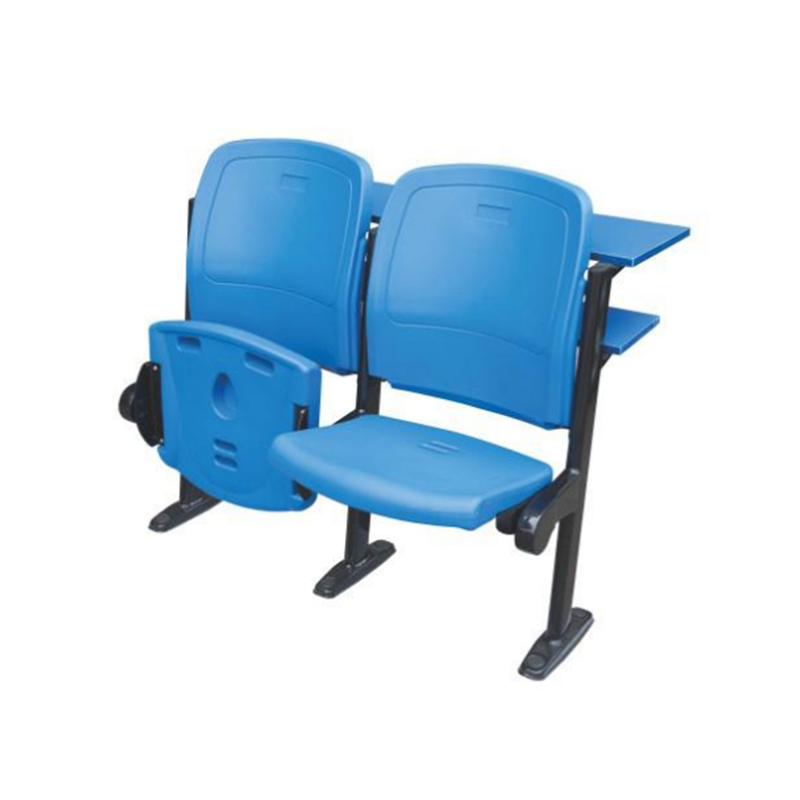
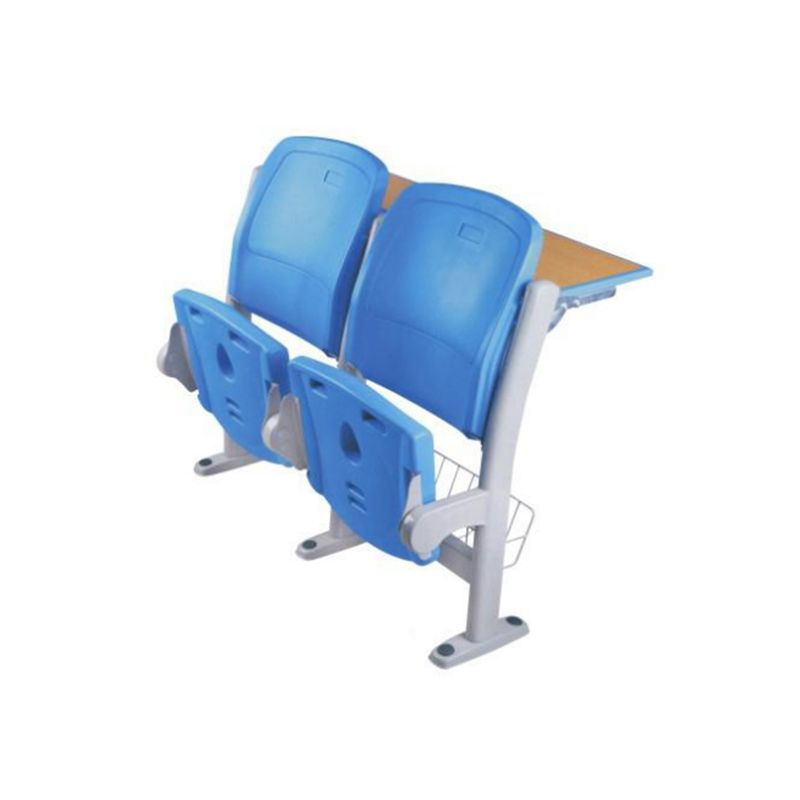
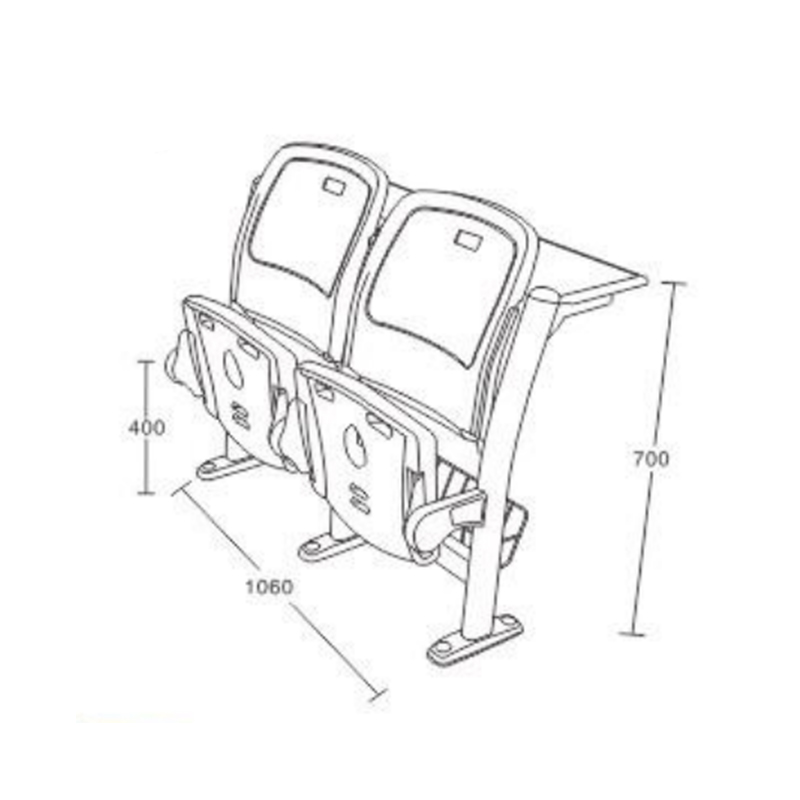
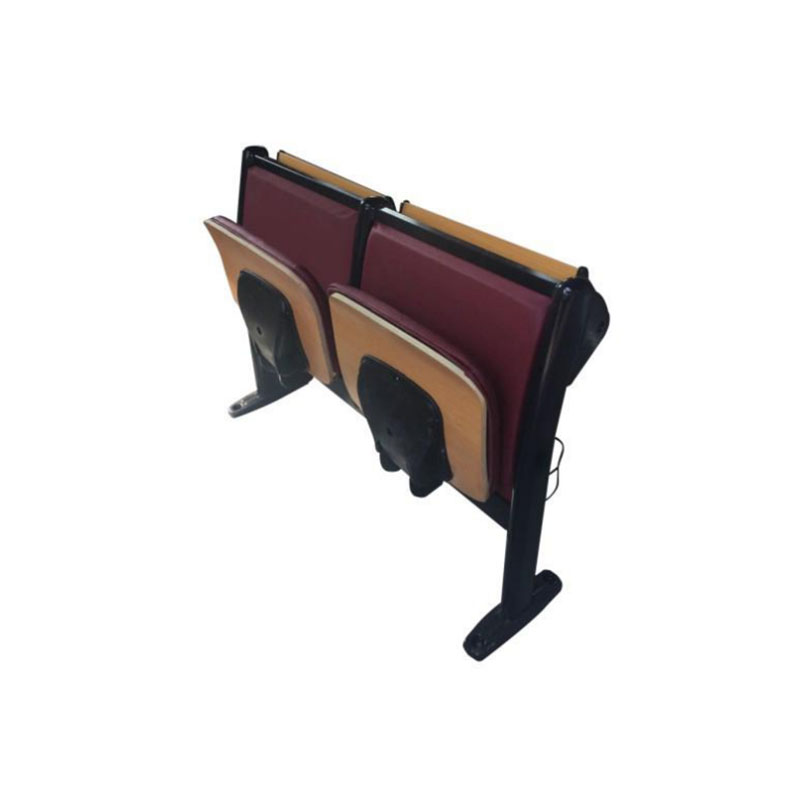
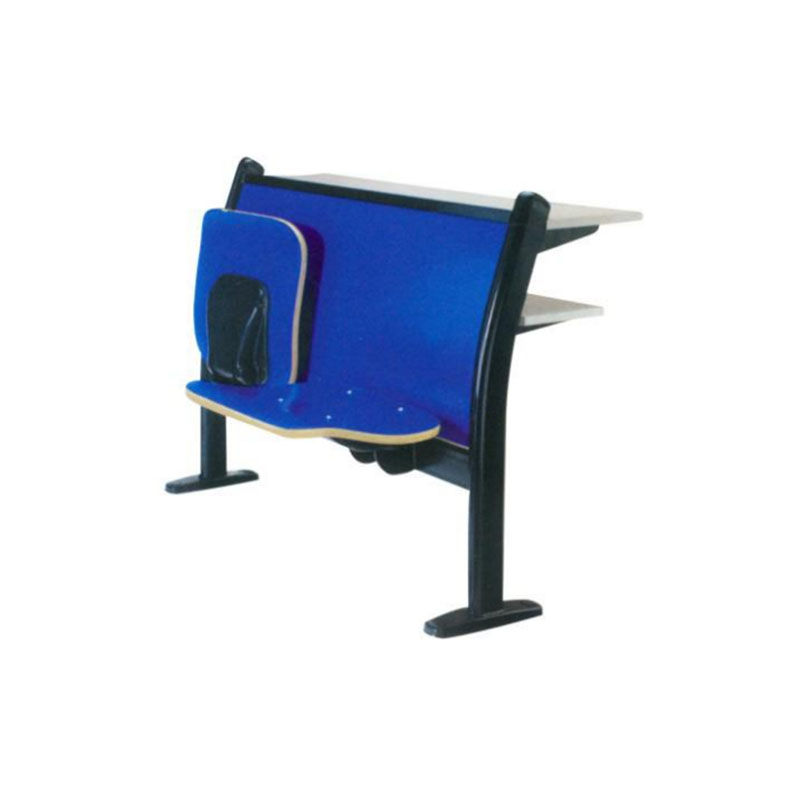
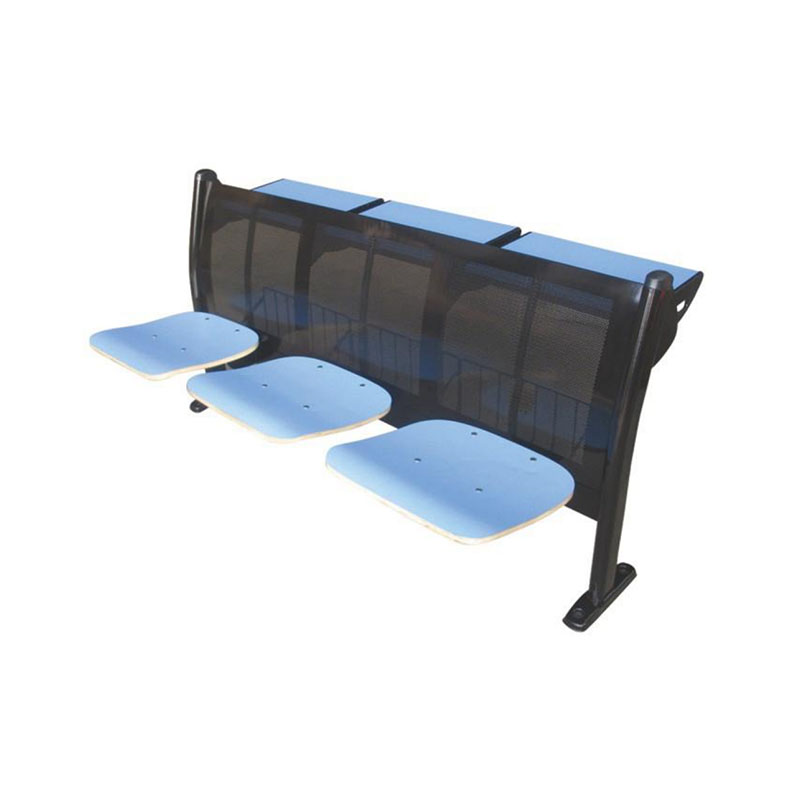
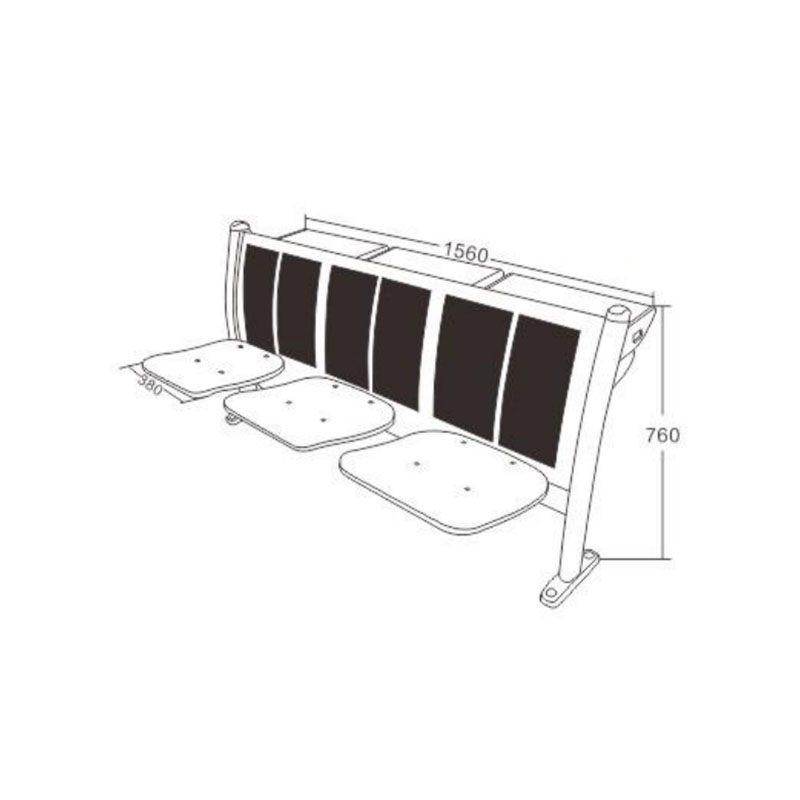
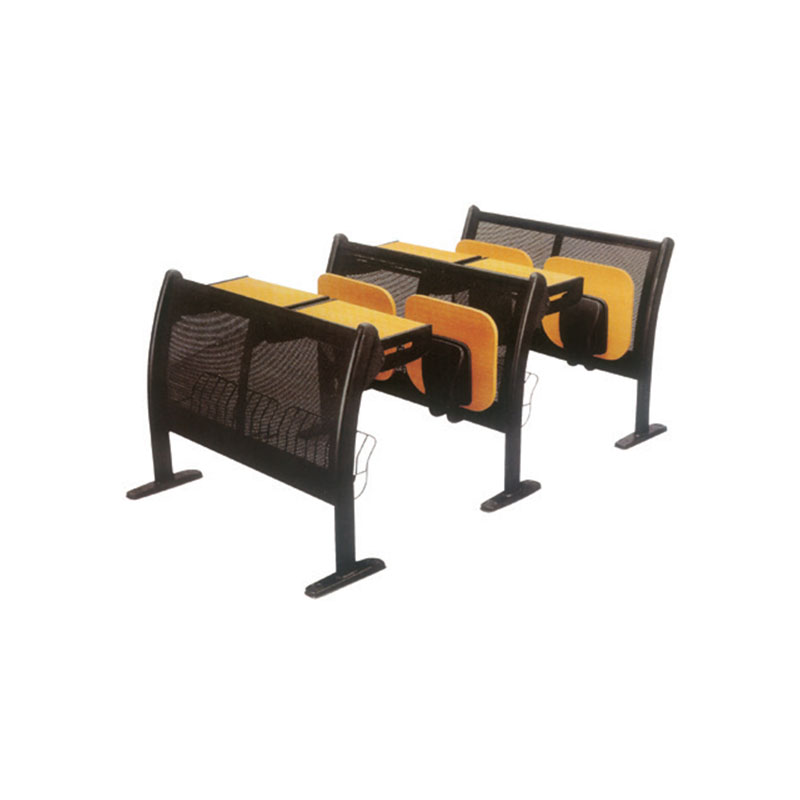
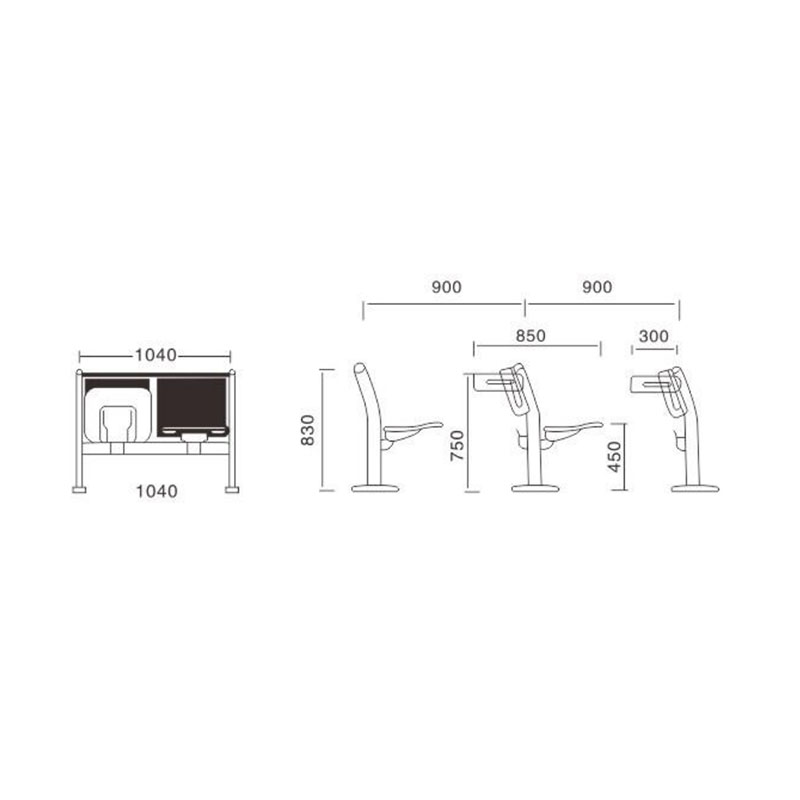
The Flat Ladder Classroom Row Chairs are a modern and practical seating solution designed to optimize both the comfort of students and the functionality of classroom environments. These chairs are specifically tailored for classroom settings where space efficiency and ergonomic support are crucial for long hours of study and interaction. Let’s explore the features, advantages, and benefits of these chairs to understand why they are becoming an essential addition to many educational institutions.
Features:
Space-Saving Structure:
These chairs feature a flat ladder-like design that allows for efficient use of space. They can be neatly arranged in rows to maximize classroom seating capacity without overcrowding the room. This is especially beneficial in smaller or crowded classrooms where space is a premium.
Durability and Sturdiness:
Constructed from high-quality materials, these chairs are built to last. The frame is typically made from steel or reinforced plastic, ensuring long-term durability even with frequent use. The materials are also resistant to wear and tear, making them an ideal choice for environments that see heavy daily traffic.
Stackable Design:
For added convenience, these chairs are often stackable. This feature allows educators and school staff to quickly rearrange or store the chairs when the classroom needs to be reconfigured for different activities, or if space needs to be cleared for events.
Adjustable Features:
Many versions of the Flat Ladder Classroom Row Chairs come with adjustable features, such as height-adjustable legs or backrests, allowing for customization based on the student’s needs. This adaptability ensures a better fit for different age groups or individual preferences.
Advantages:
Improved Classroom Layout Flexibility:
The modular nature of these chairs means they can be quickly rearranged for different classroom activities. Whether it’s a lecture, group project, or individual study time, the seating arrangement can be tailored to fit the classroom’s purpose for the day.
Enhanced Comfort:
The ergonomic features and high-quality materials used in these chairs contribute to greater comfort. Comfortable seating improves student focus, engagement, and overall well-being. This is especially important for maintaining concentration during long study sessions or lectures.
Space Efficiency:
In schools where classroom size is often limited, the ability to efficiently organize and store chairs is a significant advantage. The flat ladder design allows for better packing, enabling schools to fit more students into a single classroom without sacrificing comfort or safety.
Cost-Effective:
Due to their durability and long lifespan, the initial investment in Flat Ladder Classroom Row Chairs is cost-effective over time. Schools won’t need to replace these chairs frequently, making them a wise long-term investment.
Benefits:
Promotes Focus and Productivity: By offering better lumbar support and comfort, these chairs help reduce distractions caused by discomfort, allowing students to stay focused for longer periods. This directly contributes to enhanced productivity in the classroom.
Boosts Classroom Organization:
The simple yet effective design promotes a clean, organized environment. Teachers can easily manage classroom seating arrangements, and students benefit from a clear, tidy, and functional space in which to learn.
Adaptable to Various Settings:
These chairs are not only suitable for classrooms but can also be used in seminar rooms, libraries, or any educational setting that requires flexible seating. Their stackable nature ensures easy storage and transport, providing versatility in different environments.
Encourages Collaboration:
The arrangement of the chairs in rows, with the option to rearrange as needed, fosters a collaborative learning environment. It allows teachers to create spaces for group discussions or other interactive learning activities while still maintaining a focus on individual learning.
The Flat Ladder Classroom Row Chairs offer a combination of ergonomic comfort, space efficiency, and durability, making them an ideal choice for educational settings. Their stackable design, adaptability, and robust features contribute to a better learning environment, fostering productivity, comfort, and organization. By investing in these chairs, schools can enhance the overall experience for both students and educators, creating a more functional, efficient, and pleasant classroom atmosphere.
How Much Storage Can a Clothes Cabinet Actually Hold? That depends a lot on the dimensions and, just as much, on how the interior ...
View MoreMetal cabinets continue to play a useful role in workshops and production facilities where organization matters. These sturdy unit...
View MoreThermosetting Chair Designs Combine Strength With Lightweight Structure A thermosetting chair is built from resin that undergoes a...
View MoreWhat Goes Into a Laboratory Table's Construction Surface material is one of the more consequential choices in a Laboratory Table's...
View MoreThe folding chalk board never really disappeared — it just stopped being the only option. Now that classrooms, home offices, and s...
View MoreDesigning a functional learning environment involves selecting furniture that supports comfort, organization, and efficient use of space. Among the many seating options available for educational facilities, the flat ladder classroom row chair has become a widely used solution due to its balanced blend of structure, practicality, and adaptability. This type of chair is well-suited for classrooms, training rooms, lecture halls, seminar rooms, and various group-learning environments. Its layout and features help support attention, movement, and space optimization, making it a dependable choice for both students and instructors.
A flat ladder classroom row chair refers to a seating system arranged in consecutive rows, often combined with a shared writing surface, fixed legs, or linked seat frames. The “flat ladder” layout describes an arrangement where seats progress in parallel rows without steep elevation changes, providing a clear sightline for all users while maintaining an organized seating pattern.
These chairs are typically connected through a continuous supporting structure, which helps maintain uniform alignment and reduces the need for frequent repositioning. Institutions that host large groups often choose this style because it encourages orderliness and helps big seating capacity without compromising comfort.
One notable quality of this seating style is its efficient use of available floor space. Because chairs are arranged in fixed rows, the layout reduces clutter and prevents random seat placement. Facilities can plan seating in advance, ensuring the room accommodates the desired number of learners.
A row-based chair system provides stability through interconnected frames or shared support structures. This reduces movement during classroom activities and creates a quiet, stable environment. Stability is essential for long sessions, exams, and focused learning tasks.
Many flat ladder row chairs include ergonomic contours designed to support posture during extended periods of sitting. While designs vary, typical features include curved backrests, supportive seats, and smooth surfaces. These elements help users remain attentive and engaged without unnecessary discomfort.
Some row chair systems include foldable or fixed writing tablets. These surfaces provide a convenient space for note-taking, digital device use, or test-taking. For multifunctional rooms, detachable or movable writing boards can enhance flexibility.
Classroom furniture must withstand frequent use. Flat ladder row chairs are often built with materials that can handle daily wear while remaining easy to clean. Surfaces made of metal, molded plastic, or treated wood allow maintenance teams to clean quickly between sessions.
The linear arrangement of the chairs provides clear pathways for movement. Students and staff can access their seats without disruption, which is especially useful in large-group environments where smooth entry and exit procedures are important.
A well-structured seating layout helps reduce distractions. Because chairs stay in fixed positions, students maintain proper orientation toward teaching materials. The uniform rows help focus attention on the instructor, board, or digital display.
Instructors benefit from an orderly seating arrangement. A flat ladder system allows educators to view the entire room easily, observe participation, and maintain interactive communication with the group. The predictable layout also helps when managing assignments, discussions, and activities.
Whether for vocational training, language courses, corporate workshops, or academic programs, this style of seating supports a wide range of learning formats. Some systems include optional storage racks, book holders, or modular components that adapt to different training needs.
Administrators often prefer flat ladder classroom row chairs because they simplify room planning. The number of seats is predetermined, allowing event coordinators and academic planners to assign rooms based on capacity with confidence.
The materials used in row chair systems are chosen for longevity and reliability. With proper care, these chairs remain functional for many years. Durability reduces replacement frequency, which is beneficial for institutions with multiple classrooms or large student populations.
Before installation, it is important to measure the classroom dimensions and account for walking space, teaching zones, and emergency exits. A proper layout ensures safety and comfort.
Material choices affect maintenance, appearance, and user comfort. Metal frames offer strength, molded plastic provides lightweight durability, and wooden accents add a warm aesthetic. Institutions should choose materials that match usage frequency and design goals.
Some classrooms require writing tablets, while others rely on shared tables or digital devices. The decision depends on the nature of the program, assessment methods, and technological needs.
Facilities with high foot traffic may prefer materials resistant to stains, scratches, and moisture. Smooth, easy-to-wipe surfaces support routine cleaning schedules.
Including accessible seating options is essential. A well-planned classroom should allow adequate space for individuals with mobility needs, ensuring every user can move comfortably and participate fully.
For lectures that involve large audiences, a row-based seating arrangement ensures visibility and order. The flat ladder format supports consistent sightlines and comfortable listening positions.
Many training centers use this seating style because it accommodates frequent session changes, group rotations, and structured learning formats.
Businesses that offer professional development programs appreciate the clarity and organization provided by row seating. It helps maintain attention during presentations and workshops.
Schools that use the same room for different subjects or activities benefit from seating that remains uniform and easy to manage.
As learning methods evolve, classroom furniture must adapt. The flat ladder classroom row chair aligns well with contemporary learning needs due to its adaptability and compatibility with digital tools. Students can use laptops, tablets, and other devices while maintaining organized seating. Additionally, hybrid teaching models often require structured seating to support both in-person learners and remote participants, and row chairs help maintain clear visual alignment with cameras and screens.
Flat ladder classroom row chairs offer a practical and efficient seating solution for a wide range of educational and professional settings. Their structured design, reliable stability, and space-saving layout contribute to a productive learning atmosphere.
 Lecture Hall Row Chairs Company


 русский
 عربى
عربى
 Español