2025-12-05
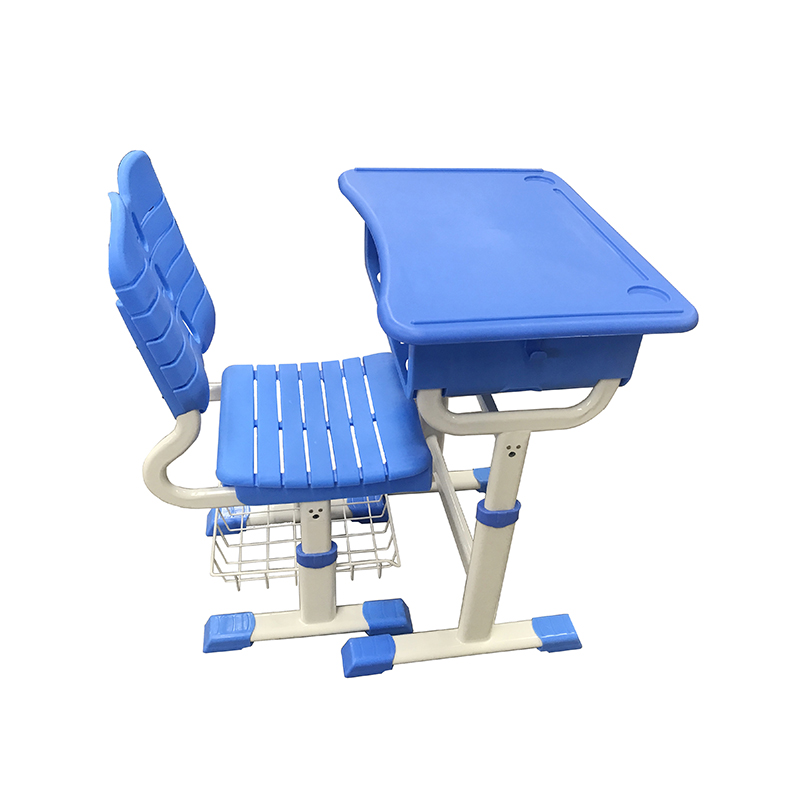
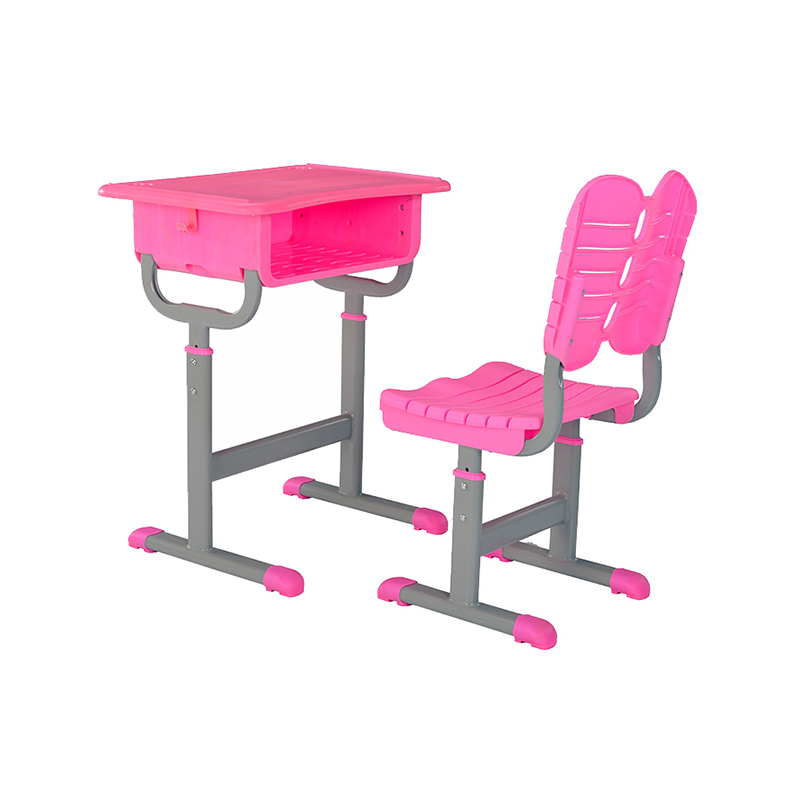
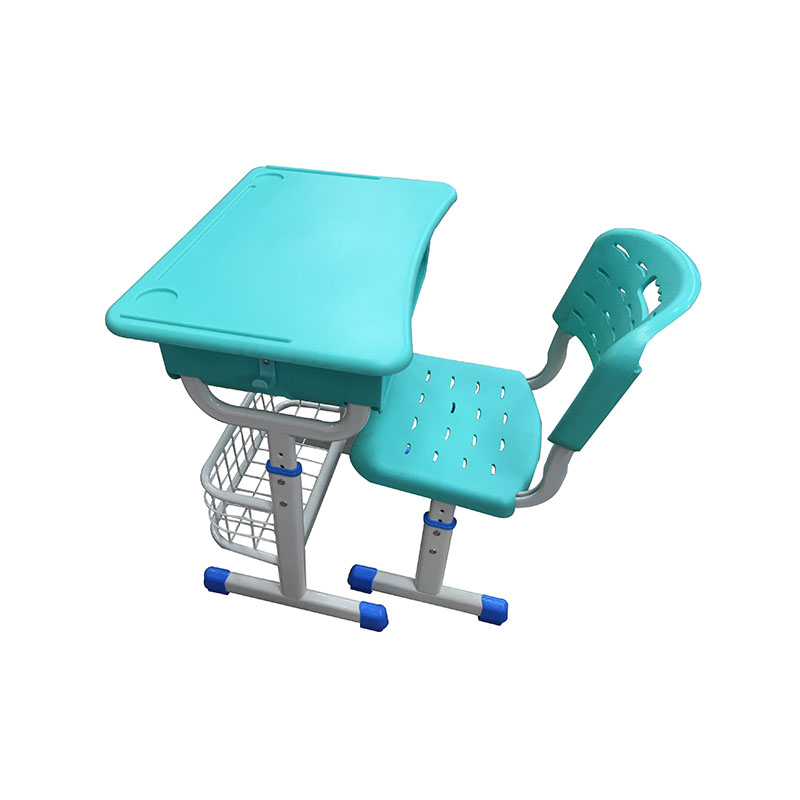
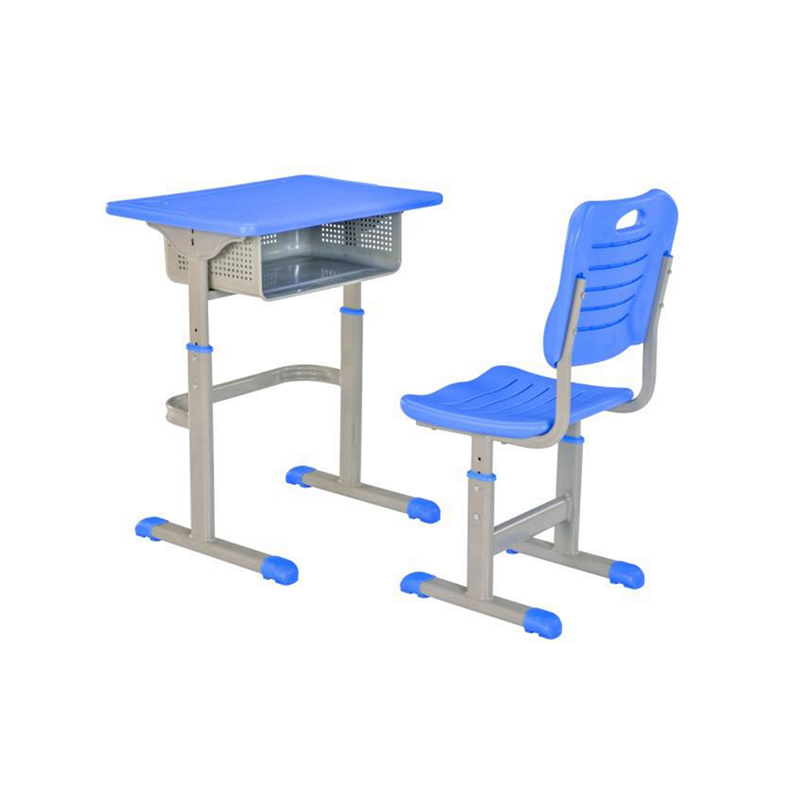
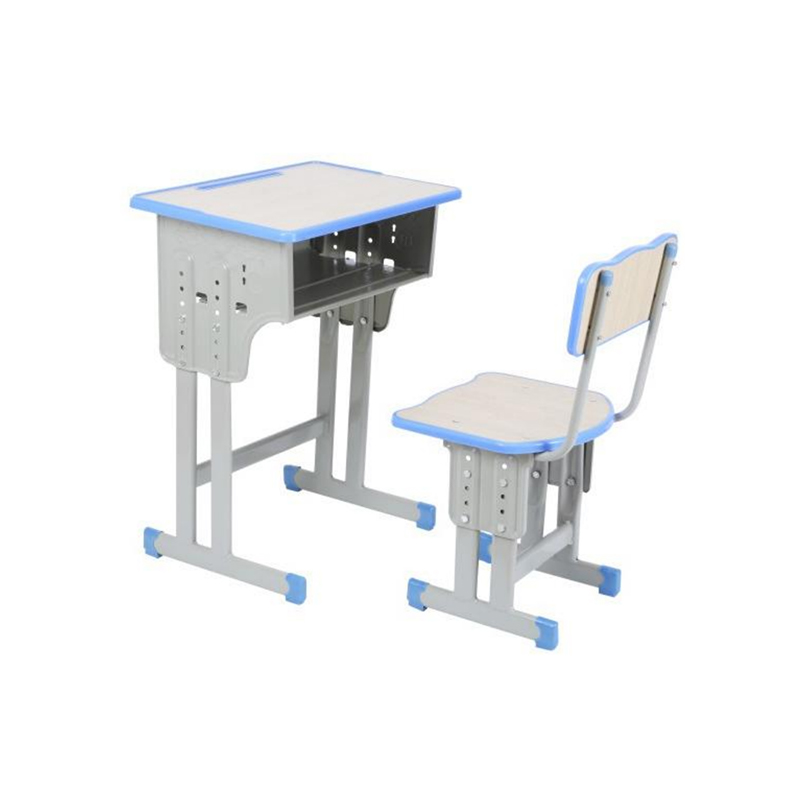
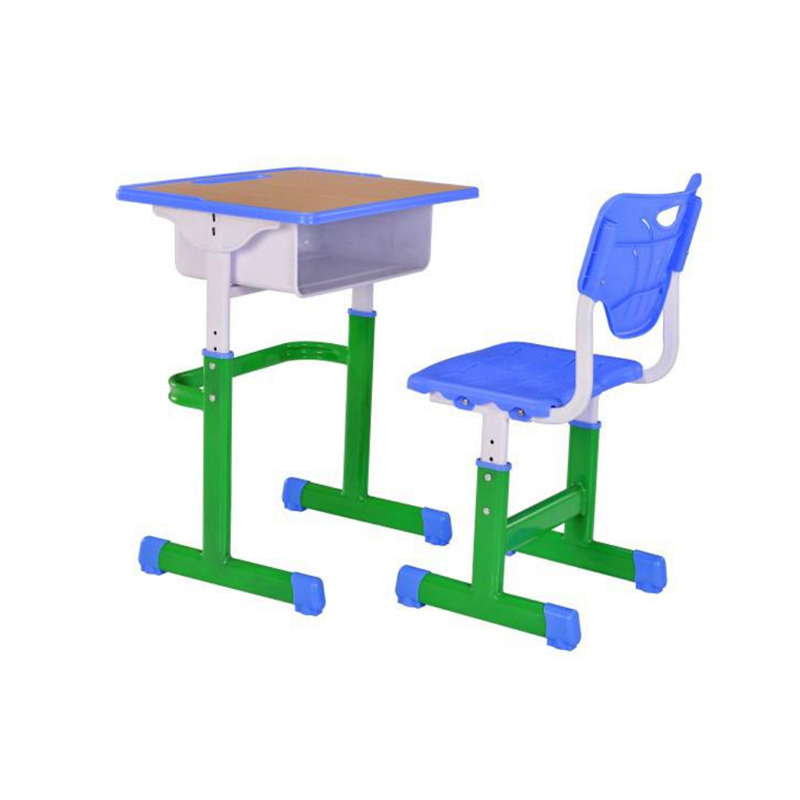
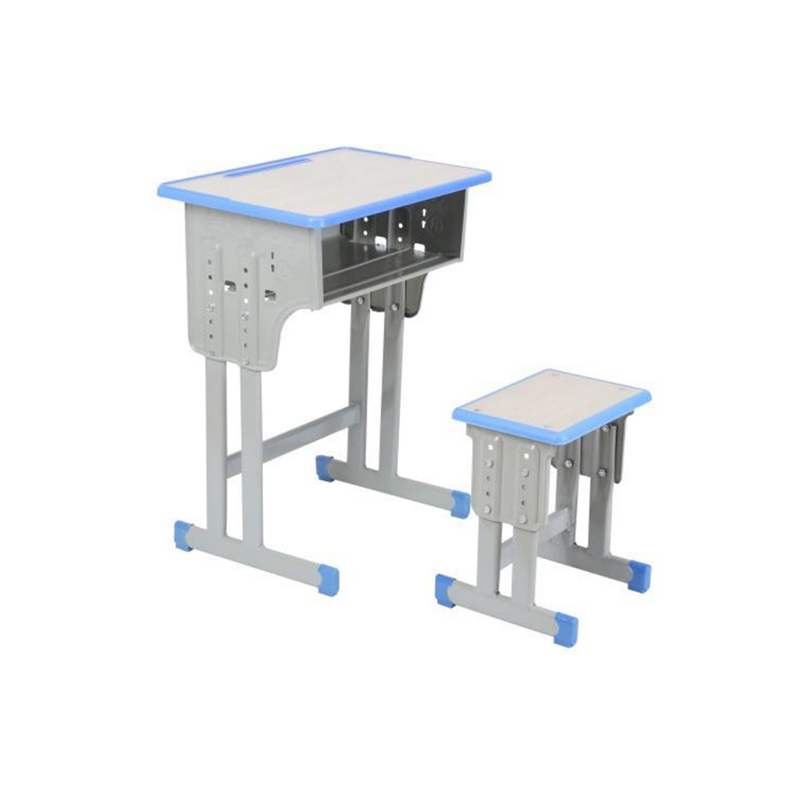
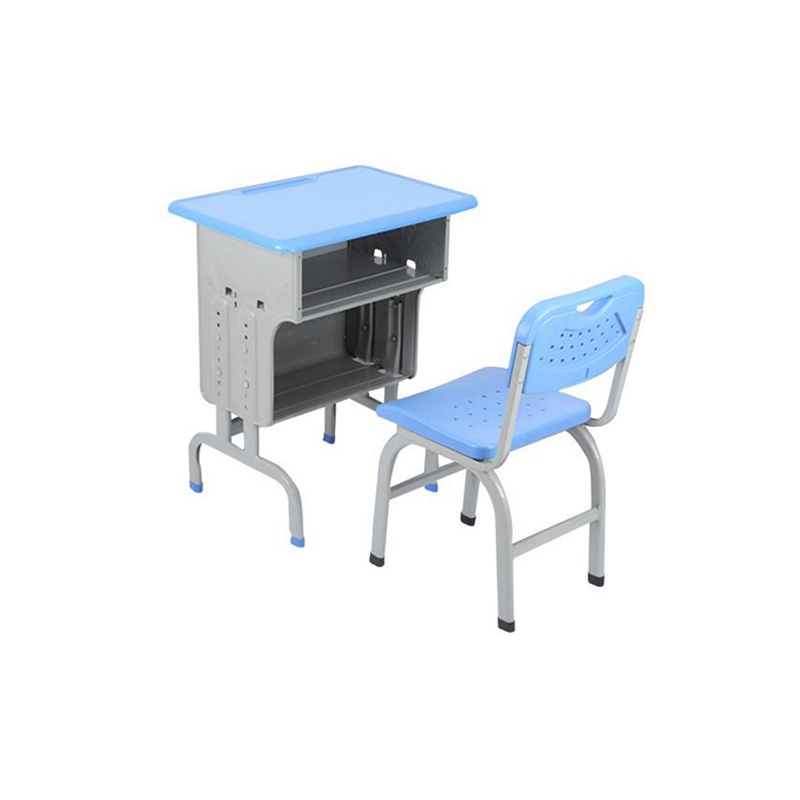
Growing awareness of learning environments has led to rising attention on Student Desk And Chair products designed for classrooms, community centers, tutoring spaces, and home study areas. Educators, parents, and students continue to look for furniture that supports concentration, comfort, and stable posture during long periods of reading, writing, and digital learning. This trend reflects broader changes in daily study habits, especially as learners engage in blended formats that combine structured lessons, independent work, and digital resources.
Demand for Student Desk And Chair sets has increased in many regions where schools aim to improve classroom layouts. Many administrators report that furniture selection now plays a larger role in discussions about student engagement, behavior, and long-term learning outcomes. When furniture promotes comfort and steady posture, students often experience fewer distractions and greater motivation to remain focused on academic tasks. This shift has encouraged suppliers to explore new materials, smoother surfaces, and shapes that follow natural body alignment.
Manufacturers have introduced designs that accommodate a wide range of age groups. Younger students often need shorter desk heights, lighter chairs, and rounded edges for safety. Older learners tend to prefer more structured seating that supports longer periods of concentration. Adjustable desks have gained visibility among educators who want flexible classroom arrangements for group activities, individual study, and teacher demonstrations. Many designs aim to maintain durability despite frequent movement, cleaning, and daily use.
Households also show increasing interest in Student Desk And Chair sets because more children complete homework or supplemental learning at home. Parents look for furniture that occupies minimal space while still offering firm support during study sessions. Compact models attract families living in smaller apartments, and many designs now blend into general home décor to avoid the appearance of bulky classroom equipment. Some households use these sets for shared family tasks, including quiet reading or craft projects.
Digital learning has influenced the evolution of Student Desk And Chair trends as well. Many students use laptops, tablets, and headphones regularly, creating new ergonomic challenges. Stable desktops help keep screens at eye level, reducing strain during long hours of work. Chairs that support the spine and promote balanced seating positions help reduce fatigue. These features enhance the overall learning experience and contribute to long-term healthy habits.
Student Desk And Chair sets also contribute to discussions on inclusive learning. Schools aim to accommodate students of different heights, body shapes, and movement needs. Adjustable models and supportive seating solutions help create a more welcoming environment for diverse learners. This aligns with broader efforts to ensure that physical spaces encourage participation from students who require additional support in posture or mobility.
Safety remains a priority for decision-makers. Smooth edges, stable frames, and secure connections between desk surfaces and legs help reduce accidents during daily classroom activity. Students often lean forward, push furniture, or place heavy textbooks on surfaces, so reliability plays an important role in furniture selection.
Learning methods continue to evolve and digital tools keep expanding, and Student Desk And Chair products gain visibility among educators and families searching for dependable, comfortable, and practical study furniture. Their role in shaping classroom behavior, supporting concentration, and improving posture underscores the importance of well-designed learning environments. The category is expected to maintain strong relevance in future educational planning.
Recommended Products


 русский
 عربى
عربى
 Español