2026-04-17
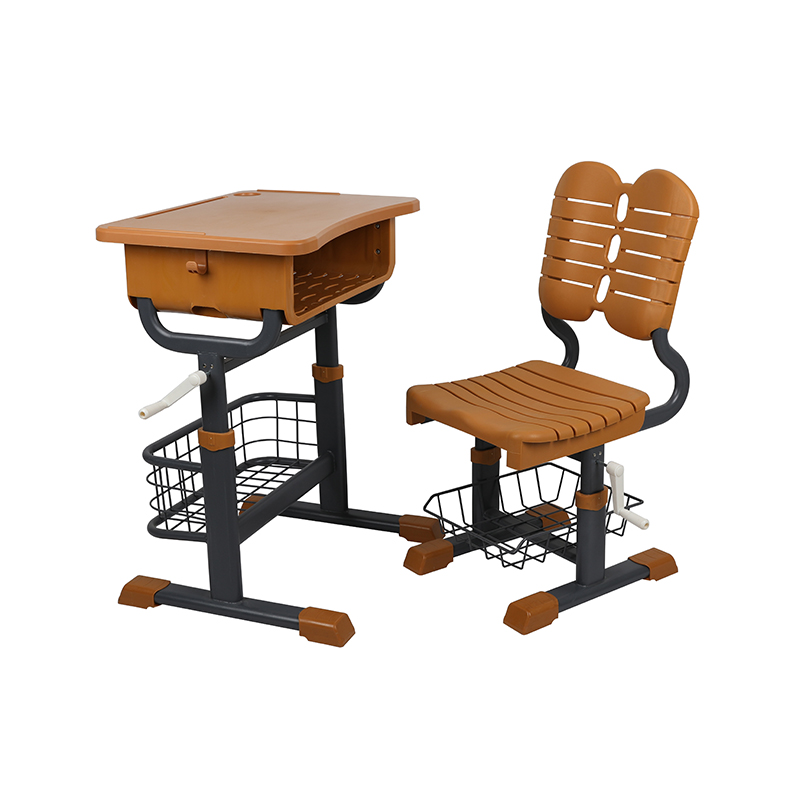
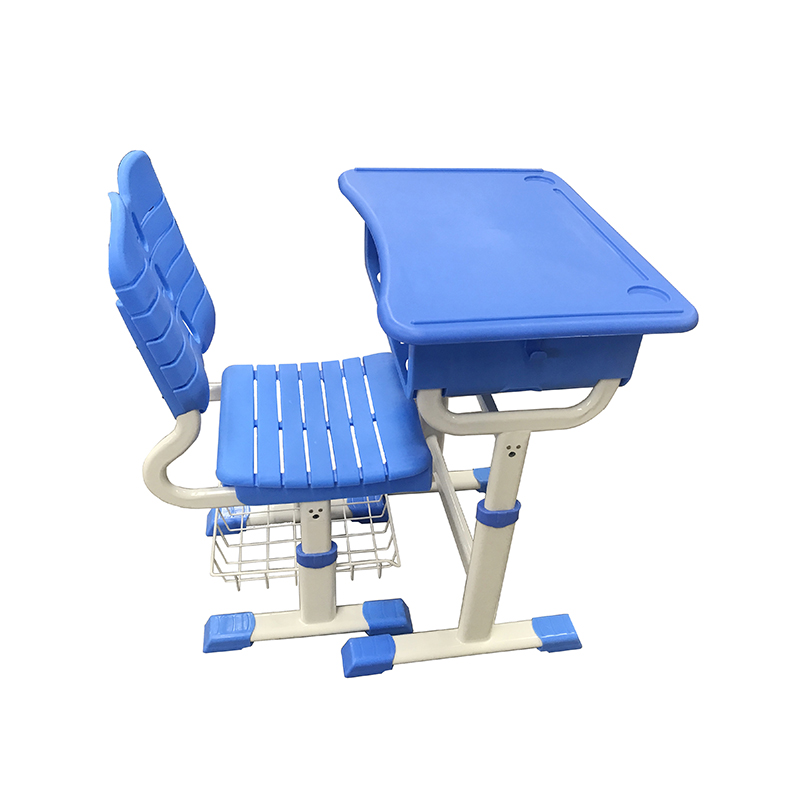
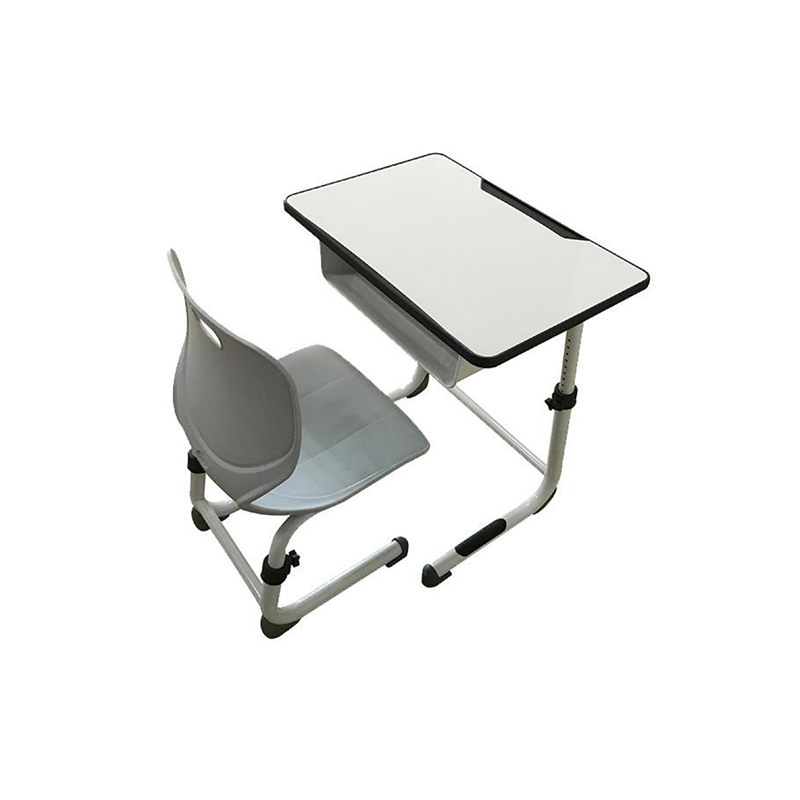
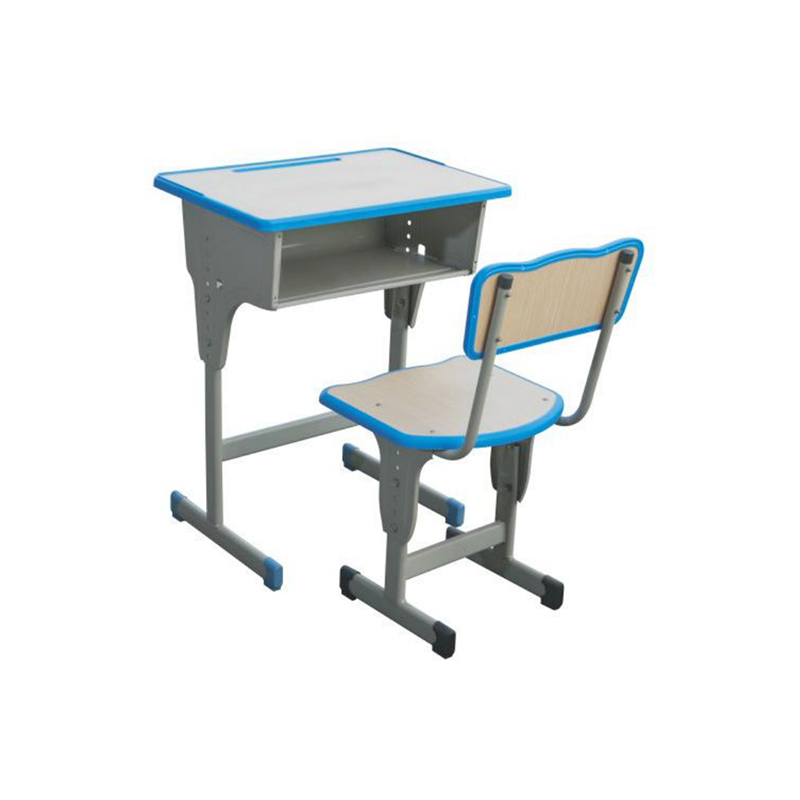
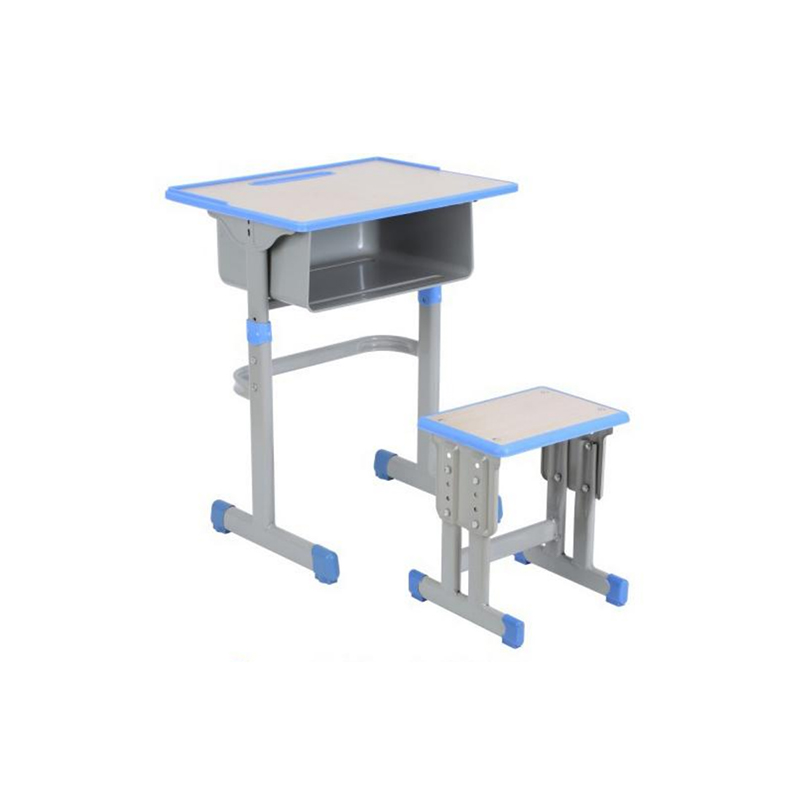
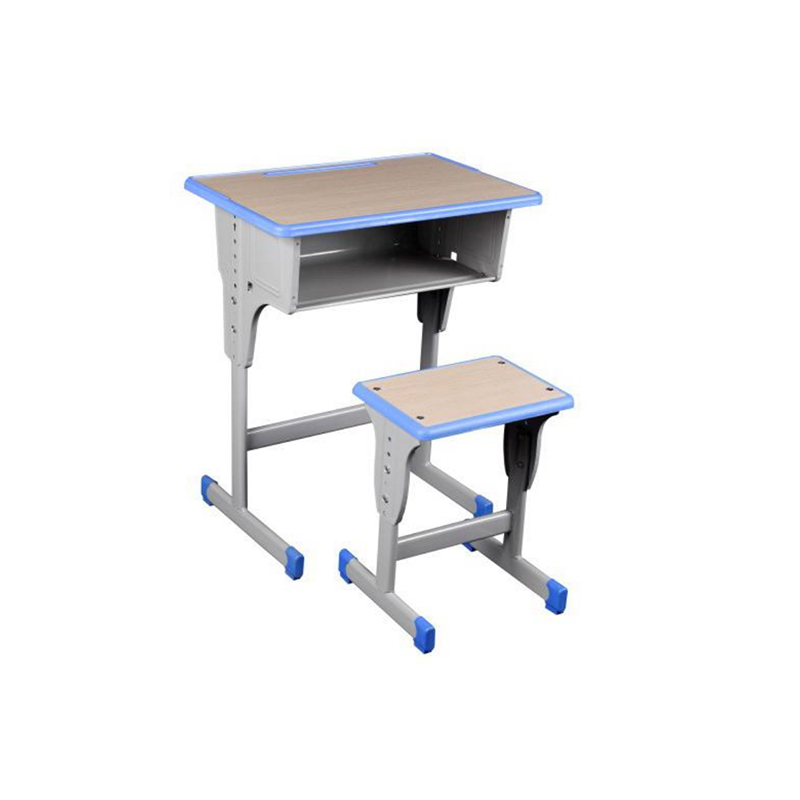
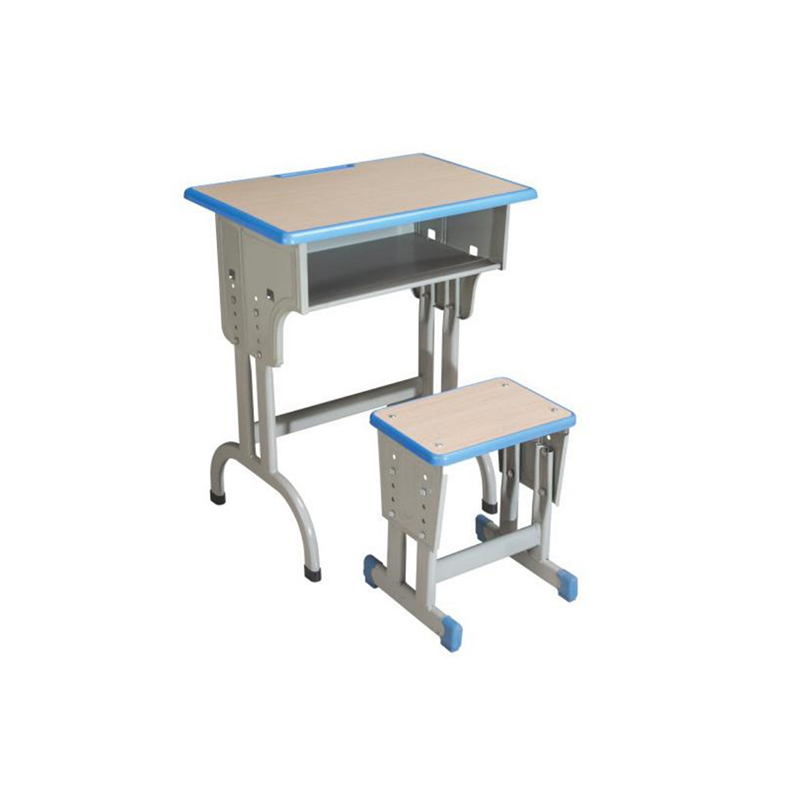
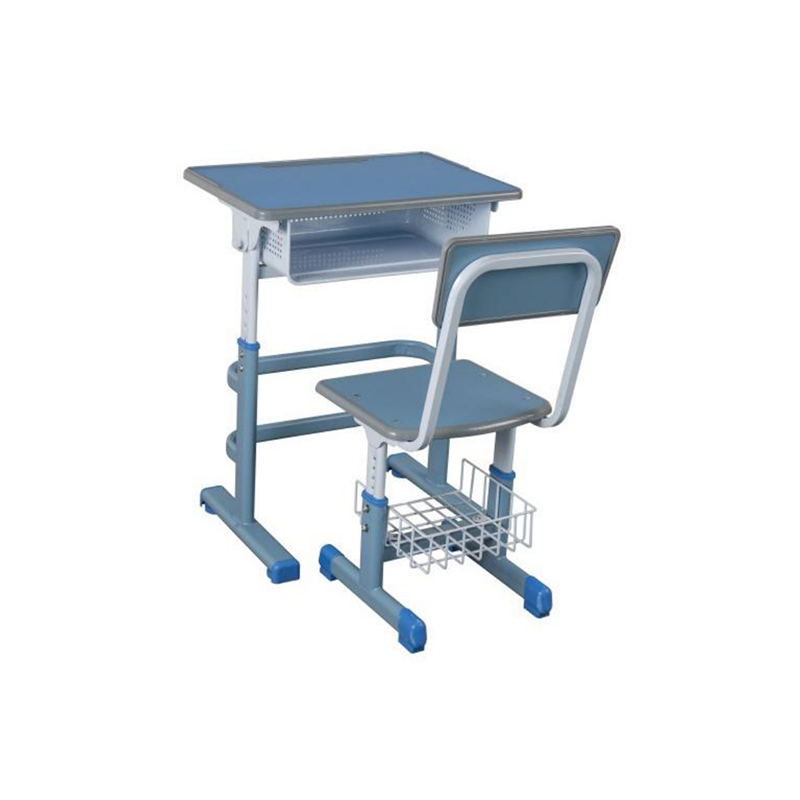
Adjustable desk and chairs have grown beyond simple office furniture. They now offer a variety of configurations that fit diverse needs in homes, schools, and offices. Desks often come with extendable surfaces and tilt options, giving users the freedom to change positions throughout the day. Chairs complement these desks by offering adjustable seat height, backrest angle, and sometimes even arm positions.
Users can switch from a focused sitting posture to a more relaxed stance without moving to another spot. Some designs allow the desktop to be raised or lowered, making it easy to alternate between sitting and standing. These adjustments do not require complicated tools. A smooth lever or a simple knob can make changes effortless.
Workspaces that adopt adjustable desk and chairs show a clear shift toward user-friendly layouts. People enjoy the ability to customize their setup according to tasks. Students might angle their desk slightly to read books or write, while office workers might shift the height to type comfortably. These features demonstrate that furniture can adapt to human movements instead of forcing users into fixed positions.
One key attraction of adjustable desk and chairs is their impact on comfort. Sitting in a single posture for hours can strain muscles, create tension, and even lead to discomfort in the lower back and neck. Adjustable features allow users to modify angles and heights to reduce strain.
Chairs often include supportive backrests that can be set to different slopes. Seat height adjustment ensures that feet rest flat on the floor or on a footrest. Desks that tilt slightly forward can reduce pressure on wrists when writing or typing. Small adjustments throughout the day encourage better circulation and reduce stiffness.
Creative teams in offices and students in classrooms can benefit from quick adjustments. When multiple users share a desk, adjustable features allow smooth transitions between different heights and preferences. This flexibility can support collaborative work, where people gather around a single desk but each chooses an angle or seat height that works best for them.
Adjustable furniture allows users to maintain attention longer. Minor changes in position help avoid discomfort and prevent fatigue. When the body feels supported and the workspace is adapted to tasks, focus increases naturally. This shows that the right desk and chair combination does more than provide physical support—it helps structure time and energy efficiently.
Adjustable desk and chairs come in many designs, colors, and materials. Wooden finishes offer a classic look, while metal and plastic constructions provide lightweight options. Some sets include wheels for mobility, while others have foldable or compact designs for limited space.
These desks and chairs can integrate seamlessly into living rooms, bedrooms, or office corners. Their versatility makes them suitable for both modern and traditional room layouts. Users can select matching colors and textures to complement existing décor.
Furniture manufacturers also experiment with minimalistic or playful designs. Some desks feature storage drawers and cable management systems, while chairs may have curved backrests or patterned fabrics. This variety allows users to personalize their workspace aesthetically as well as functionally.
Recommended Products


 русский
 عربى
عربى
 Español